
Is Makhana Safe During Pregnancy? Understanding Benefits & Side Effects
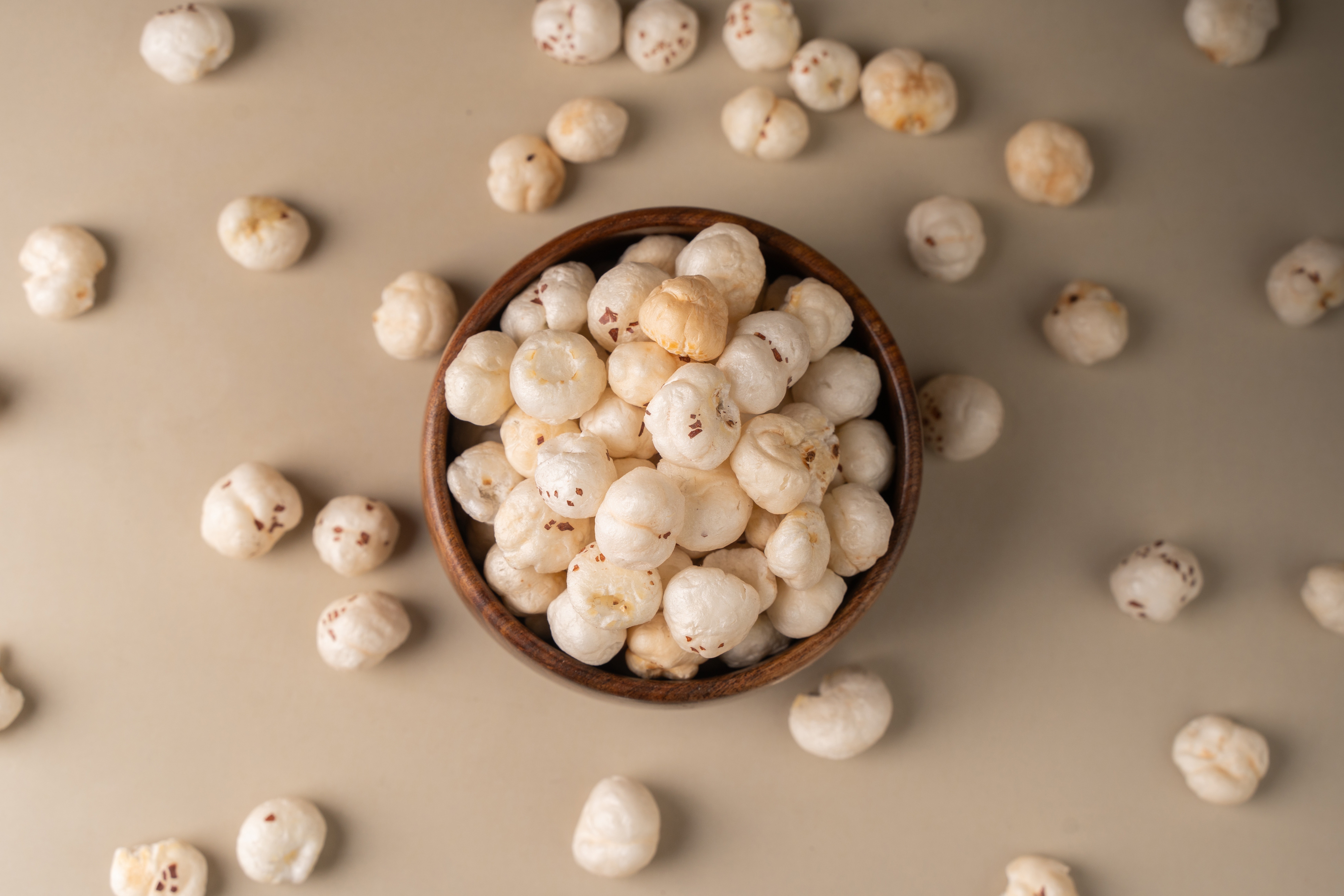
Table of Contents
- 1. Key Takeaways: Makhana During Pregnancy
- 2. Makhana as a Nutritious Snack During Pregnancy
- 2.1. Nutritional Profile of Makhana
- 3. Is Makhana Safe During Pregnancy?
- 4. 10 Benefits of Eating Makhana During Pregnancy
- 4.1. 1. Helps Maintain Steady Energy Levels
- 4.2. 2. Supports Digestive Comfort
- 4.3. 3. May Help Reduce Leg Cramps
- 4.4. 4. Supports Bone Health for Mother and Baby
- 4.5. 5. Helps Support Healthy Iron Levels
- 4.6. 6. Low Glycaemic Index Snack
- 4.7. 7. Supports Satiety and Healthy Weight Management
- 4.8. 8. Naturally Low in Sodium
- 4.9. 9. Provides Antioxidant and Anti-Inflammatory Support
- 4.10. 10. May Support Relaxation and Better Sleep
- 5. Makhana in Pregnancy First Trimester: Is it Safe?
- 6. How Much Makhana Can Pregnant Women Eat?
- 7. Healthy Ways to Eat Makhana During Pregnancy
- 7.1. 1. Dry Roasted "Power" Snack (The Best All-Rounder)
- 7.2. 2. Makhana & Curd (For Gut Health)
- 7.3. 3. Makhana "Kheer" (The Nutrient-Rich Dessert)
- 7.4. 4. Makhana Powder in Smoothies or Milk
- 7.5. 5. The "Trail Mix" Integration
- 8. Possible Side Effects of Eating Too Much Makhana
- 9. Who Should Limit Makhana Intake During Pregnancy?
- 10. Planning for Your Baby’s Future Health During Pregnancy
- 10.1. The Power of Stem Cells
- 10.2. Secure the Future with Cryoviva Life Sciences
- 10.3. Our Core Services Include:
- 10.4. Take the Next Step in Your Pregnancy Journey
- 11. Final Thoughts
- 12. FAQ
- 12.1. Q: Is it safe to eat makhana every day during pregnancy?
- 12.2. Q: Can I eat makhana during the first trimester?
- 12.3. Q: Does eating makhana lead to excessive weight gain in pregnancy?
- 12.4. Q: Can makhana help with pregnancy-induced insomnia?
- 12.5. Q: Is makhana safe for women with gestational diabetes?
- 12.6. Q: Are there any side effects of eating too much makhana?
Pregnancy often transforms the way we look at our kitchen pantry. What used to be a simple snack choice now becomes a question of: "Is this safe for my baby?" Amidst the sea of dietary advice, traditional Indian superfoods like makhana (fox nuts or lotus seeds) have emerged as a favorite among expectant mothers.
Light, crunchy, and remarkably versatile, makhana has been a staple in Indian households for generations. However, as your body undergoes the unique physiological changes of pregnancy, it’s natural to wonder - can pregnant women eat makhana safely, especially during the sensitive first trimester?
Understanding the nutritional science behind this ancient seed is key to making informed choices. From its role in maintaining steady energy levels to its surprising benefits for sleep and digestion, makhana can be a powerful ally in your prenatal diet. This guide explores everything you need to know about consuming makhana during pregnancy, including its impressive nutritional profile, healthy preparation methods, and the essential precautions every mother should keep in mind.
Key Takeaways: Makhana During Pregnancy
Traditional superfoods like makhana (fox nuts) are excellent additions to a prenatal diet when consumed correctly. Here is a quick summary of what every expecting mother should know:
- Safety Status: Makhana is completely safe to consume during all three trimesters, including the sensitive first trimester, provided it is eaten in moderation.
- Nutritional Powerhouse: It is a rich source of protein, calcium, and magnesium, which support the baby’s bone development and the mother’s energy levels.
- Digestive & Sleep Support: Due to its high fiber content and natural calming properties, makhana helps combat pregnancy constipation and may improve sleep quality.
- Blood Sugar Management: With a low Glycemic Index (GI), makhana provides a steady release of energy, making it an ideal snack for managing hunger without causing blood sugar spikes.
- Preparation Tip: For maximum benefits, choose home-roasted makhana with a dash of ghee and turmeric. Avoid store-bought flavored packets that are high in hidden sodium and preservatives.
- Future Health Security: Just as a nutrient-dense diet builds a foundation for your baby’s growth today, stem cell banking secures their biological future for years to come.
Related: Benefits of Makhana During Pregnancy
Makhana as a Nutritious Snack During Pregnancy
Makhana comes from the seeds of the lotus plant (Euryale ferox). It has been a part of traditional Indian diets for centuries and is commonly roasted and eaten as a light snack. Because of its mild flavour and crunchy texture, makhana is often used in both savoury and sweet preparations, such as roasted snacks, curries, or desserts such as makhana kheer.
In recent years, makhana has gained popularity as a nutritious snack option. It is naturally low in fat and contains several nutrients that may support overall health. For pregnant women looking for healthier snack alternatives, makhana can be a convenient option when consumed in moderation as part of a balanced diet.
Nutritional Profile of Makhana
The nutritional composition of makhana contributes to its reputation as a healthy snack. Several nutrients found in makhana may support the increased nutritional needs during pregnancy.
|
Nutrient |
Why It Matters During Pregnancy |
|
Protein |
Supports tissue growth and fetal development |
|
Calcium |
Helps maintain bone strength for both mother and baby |
|
Iron |
Supports healthy haemoglobin levels and helps reduce the risk of anaemia |
|
Potassium |
Helps maintain fluid balance and may help reduce leg cramps |
|
Magnesium |
Supports muscle function and nerve health |
|
Dietary Fibre |
Helps support digestion and may help reduce constipation |
Is Makhana Safe During Pregnancy?
Makhana is generally considered safe to eat during pregnancy when consumed in moderate amounts. Because it is light, easy to digest, and naturally rich in several nutrients, many pregnant women include makhana as a snack between meals.
For women who wonder, “Can pregnant women eat makhana?” The answer is usually yes, provided it is part of a balanced diet and eaten in appropriate portions. Roasted makhana, in particular, is a simple and wholesome snack that does not contain excessive fats or additives when prepared at home.
Another reason makhana is often recommended as a pregnancy-friendly snack is its low glycaemic index (GI). Foods with a low GI release sugar slowly into the bloodstream, helping maintain stable energy levels and reducing sudden spikes in blood sugar. This can be beneficial for pregnant women who are mindful of maintaining balanced nutrition.
However, as with any food during pregnancy, moderation is important. Eating excessive quantities of any snack may lead to digestive discomfort or unnecessary calorie intake. It is always advisable for pregnant women to discuss dietary choices with their doctor, especially if they have specific medical conditions or dietary restrictions.
Related: The Ultimate Guide to Pregnancy Nutrition: Including Week-by-Week Diet Charts
10 Benefits of Eating Makhana During Pregnancy
Makhana contains several nutrients and natural antioxidants that may support the increased nutritional needs during pregnancy. When eaten in moderation as part of a balanced diet, it can serve as a nourishing snack that contributes to maternal wellbeing.
1. Helps Maintain Steady Energy Levels
Pregnancy often increases hunger between meals as the body requires additional energy to support the growing baby. Makhana contains complex carbohydrates that release energy gradually rather than causing sudden spikes in blood sugar. This steady release of energy may help pregnant women maintain consistent energy levels throughout the day. As a light snack between meals, makhana may also help reduce fatigue and prevent sudden drops in energy that sometimes occur during pregnancy.
2. Supports Digestive Comfort
Hormonal changes during pregnancy can slow digestion and lead to common concerns such as constipation and bloating. Makhana contains dietary fibre, which supports healthy digestion and helps maintain bowel regularity. Including fibre-rich foods such as makhana in a balanced pregnancy diet may help support comfortable digestion and overall gut health. When combined with adequate fluid intake, dietary fibre can play an important role in maintaining digestive wellbeing during pregnancy.
3. May Help Reduce Leg Cramps
Muscle cramps, particularly in the legs, are a frequent concern during pregnancy, especially during the second and third trimesters. Makhana contains minerals such as potassium and magnesium that play a role in supporting muscle function and maintaining electrolyte balance in the body. Adequate intake of these minerals may help reduce the frequency or intensity of muscle cramps and support overall muscular comfort during pregnancy.
4. Supports Bone Health for Mother and Baby
During pregnancy, calcium requirements increase as the developing baby’s bones and teeth begin to form. Makhana contains calcium and magnesium, both of which are important for maintaining strong bones and teeth. Consuming foods that contribute to calcium intake may help support the baby’s skeletal development while also helping the mother maintain her own bone strength. Including calcium-rich foods as part of a varied diet is an important component of prenatal nutrition.
5. Helps Support Healthy Iron Levels
Iron is an essential nutrient during pregnancy because it helps the body produce haemoglobin, the protein responsible for carrying oxygen in the blood. Adequate iron intake supports healthy oxygen supply to both the mother and the developing baby. Although makhana is not considered a primary source of iron, it can still contribute to the overall iron intake in the diet when combined with other iron-rich foods such as leafy greens, lentils, and legumes.
6. Low Glycaemic Index Snack
Makhana has a relatively low glycaemic index (GI), meaning it releases sugar slowly into the bloodstream. This helps maintain stable energy levels and may support balanced blood sugar control during pregnancy.
7. Supports Satiety and Healthy Weight Management
Managing hunger between meals can sometimes be challenging during pregnancy. Makhana is relatively low in calories but high in volume, which means it can help create a feeling of fullness without contributing excessive calories. As a result, it may serve as a satisfying snack option that helps control hunger and reduce the tendency to reach for highly processed snack foods. Maintaining balanced nutrition can support healthy weight gain during pregnancy.
8. Naturally Low in Sodium
Plain makhana is naturally low in sodium compared with many packaged snack foods. Excessive sodium intake during pregnancy may contribute to fluid retention and elevated blood pressure in some individuals. Choosing naturally low-sodium snack options such as roasted makhana may help support healthier dietary habits during pregnancy. However, it is important to avoid heavily salted packaged makhana varieties that may contain higher amounts of sodium.
9. Provides Antioxidant and Anti-Inflammatory Support
Makhana contains flavonoids such as kaempferol, which have antioxidant properties. Antioxidants help protect cells from oxidative stress and may contribute to overall maternal health during pregnancy.
10. May Support Relaxation and Better Sleep
Some traditional dietary practices associate lotus seeds with promoting relaxation. Compounds present in makhana may help support calmness and restful sleep, which can be beneficial for pregnant women experiencing restlessness.
Related: 1 to 3 Month Pregnancy Diet Chart: Early Nutrition Guide for Expecting Mothers
Makhana in Pregnancy First Trimester: Is it Safe?
The first trimester is a phase when many women become more cautious about their food choices. Hormonal changes, nausea, and changes in appetite often make it important to choose foods that are light, nutritious, and easy to digest. In this context, many women ask whether makhana in pregnancy during the first trimester is safe.
In most cases, makhana can be safely consumed during the first trimester when eaten in moderate amounts. Because it is light and not heavily processed, roasted makhana can serve as a simple snack option for women who prefer mild foods during early pregnancy.
Some women also experience morning sickness or digestive discomfort during the first few months of pregnancy. Plain roasted makhana has a mild taste and is generally easy on the stomach, which makes it suitable for small snack portions between meals.
However, portion control remains important. Eating large quantities of any single food may lead to digestive discomfort or unnecessary calorie intake. Pregnant women should aim to include makhana as part of a varied diet that includes fruits, vegetables, whole grains, and protein-rich foods.
If there are any existing health conditions or dietary concerns, it is always advisable to consult a doctor before making significant changes to the pregnancy diet.
How Much Makhana Can Pregnant Women Eat?
While makhana is generally considered a nutritious snack, it is important to consume it in moderate amounts during pregnancy. A balanced diet that includes a variety of foods ensures that both the mother and the developing baby receive a wide range of essential nutrients.
For most pregnant women, a small handful of roasted makhana as a snack can be a reasonable portion. Eating moderate quantities helps provide nutritional benefits without contributing to excessive calorie intake.
To include makhana safely in a pregnancy diet, consider the following tips:
- Choose simple preparations: Plain roasted makhana or lightly sautéed makhana is usually a healthier option than heavily salted or fried varieties.
- Avoid excessive salt: Adding too much salt can increase sodium intake, which may contribute to fluid retention or increased blood pressure.
- Pair with other nutritious foods: Makhana can be combined with nuts, seeds, or warm milk to create a balanced snack.
- Maintain portion control: Eating very large amounts regularly may lead to digestive discomfort or unnecessary calorie intake.
As with all dietary choices during pregnancy, individual nutritional needs may vary. Women with specific health conditions, such as gestational diabetes or digestive sensitivities, should discuss suitable snack options with their doctor.
Healthy Ways to Eat Makhana During Pregnancy
Makhana can be prepared in several simple and nutritious ways, making it easy to include in a pregnancy-friendly diet. Choosing healthy preparation methods helps retain its nutritional value while avoiding excessive fats, salt, or sugar.
Here are some common ways pregnant women can enjoy makhana as part of a balanced diet:
1. Dry Roasted "Power" Snack (The Best All-Rounder)
Instead of deep-frying, dry roast makhana in a heavy-bottomed pan until crunchy.
- The Healthy Twist: Use a teaspoon of A2 Ghee, which is excellent for prenatal joint health, and add a pinch of turmeric (anti-inflammatory) and black pepper. This 'golden duo' works together - the piperine in the pepper unlocks the anti-inflammatory power of the turmeric, while the healthy fats in the ghee ensure your body absorbs these nutrients effectively. Finish with a dash of rock salt for a satisfying, mineral-rich crunch.
- Why it works: It’s a low-calorie replacement for processed chips and helps curb midday hunger.
2. Makhana & Curd (For Gut Health)
Mix roasted makhana into a bowl of fresh, homemade curd (yogurt). Add roasted cumin powder and a bit of pomegranate.
- The Healthy Twist: This acts as a natural probiotic.
- Why it works: The protein in makhana combined with the calcium and active cultures in curd supports both bone health and digestion.
3. Makhana "Kheer" (The Nutrient-Rich Dessert)
For women with a sweet tooth or those struggling to gain healthy weight, makhana kheer is a traditional favorite.
- The Healthy Twist: Use jaggery or dates as a sweetener instead of refined white sugar. Add crushed almonds and walnuts for an extra boost of Omega-3 fatty acids (essential for the baby's brain development).
- Why it works: It provides a slow release of energy and satisfies sugar cravings without the "sugar crash."
4. Makhana Powder in Smoothies or Milk
If an expectant mother is experiencing severe morning sickness and can’t handle "crunchy" textures, makhana can be ground into a fine powder.
- The Healthy Twist: Stir two tablespoons of makhana powder into a glass of warm milk or a fruit smoothie.
- Why it works: It adds protein and magnesium to the drink without changing the flavor profile significantly.
5. The "Trail Mix" Integration
Mix roasted makhana with pumpkin seeds, sunflower seeds, and dried figs.
- The Healthy Twist: This creates a "complete" snack. The seeds provide healthy fats, while the makhana provides the necessary complex carbohydrates.
Preparation Tips for Safety:
- Check for Quality: Always crack open a few seeds before roasting to ensure there are no worms or mold inside (common in stored lotus seeds).
- Watch the Sodium: Avoid store-bought "Ready-to-Eat" flavored makhana packets. These are often loaded with MSG, excess sodium, and preservatives that can lead to water retention and high blood pressure during pregnancy.
- Hydration: Since makhana is high in fiber, ensure the mother is drinking plenty of water throughout the day to prevent the fiber from causing constipation.
Possible Side Effects of Eating Too Much Makhana
Although makhana is generally considered a healthy snack, eating excessive amounts during pregnancy may lead to certain discomforts. Like any food, it is best consumed in moderation as part of a balanced diet.
Some possible concerns associated with overeating makhana include:
- Digestive discomfort: Consuming very large quantities may cause bloating or mild digestive issues in some individuals.
- Excess calorie intake: When prepared with large amounts of oil, ghee, or sugar, makhana-based snacks may contribute to unnecessary calorie intake.
- High salt intake: Packaged or heavily seasoned makhana snacks may contain excessive salt, which is not advisable during pregnancy.
- Food sensitivities: Although rare, some individuals may experience mild food sensitivities to certain foods, including makhana.
To avoid these concerns, pregnant women should focus on moderate portions and simple preparation methods. Including makhana alongside a variety of other nutrient-rich foods helps maintain a balanced and healthy pregnancy diet.
Related: 10 Amazing Benefits of Eating Apples During Pregnancy
Who Should Limit Makhana Intake During Pregnancy?
Although makhana is generally considered safe for most pregnant women when consumed in moderation, there may be certain situations where portion control or dietary guidance is advisable. Every pregnancy is unique, and nutritional needs can vary depending on individual health conditions.
Pregnant women may need to limit or monitor their makhana intake in the following situations:
- Gestational diabetes: Although makhana has a relatively low glycaemic index, portion control remains important for women managing blood sugar levels during pregnancy.
- Digestive sensitivity: Some women may experience bloating or digestive discomfort if they consume large quantities of fibre-rich foods.
- Existing dietary restrictions: Women who are following specific medical diets recommended by their doctor may need to adjust their snack choices accordingly.
- Packaged snack consumption: Ready-to-eat flavoured makhana products may contain higher amounts of salt or additives, which may not be suitable for regular consumption during pregnancy.
If there are any concerns about diet or nutrition during pregnancy, it is always advisable to consult a healthcare professional for personalised dietary guidance.
Planning for Your Baby’s Future Health During Pregnancy
Pregnancy is a journey of protective care. While you focus on immediate nutrition and daily well-being, it is also the ideal window to consider your baby’s long-term medical preparedness. Just as the nutrients in your diet build the foundation for their growth today, stem cell banking creates a foundation for their health security tomorrow.
The Power of Stem Cells
The umbilical cord, once considered medical waste, is actually a rich source of powerful stem cells. These cells are unique because they are "young" and have not been exposed to environmental pollutants or aging.
- Cord Blood: Rich in Hematopoietic Stem Cells (HSCs), which are currently used in the treatment of over 90 blood-related and immune-system disorders.
- Cord Tissue: Contains Mesenchymal Stem Cells (MSCs), which are at the forefront of regenerative medicine research for their potential to repair tissues, muscle, and bone.
Read Also: Introduction to Stem Cell Banking in India
Secure the Future with Cryoviva Life Sciences
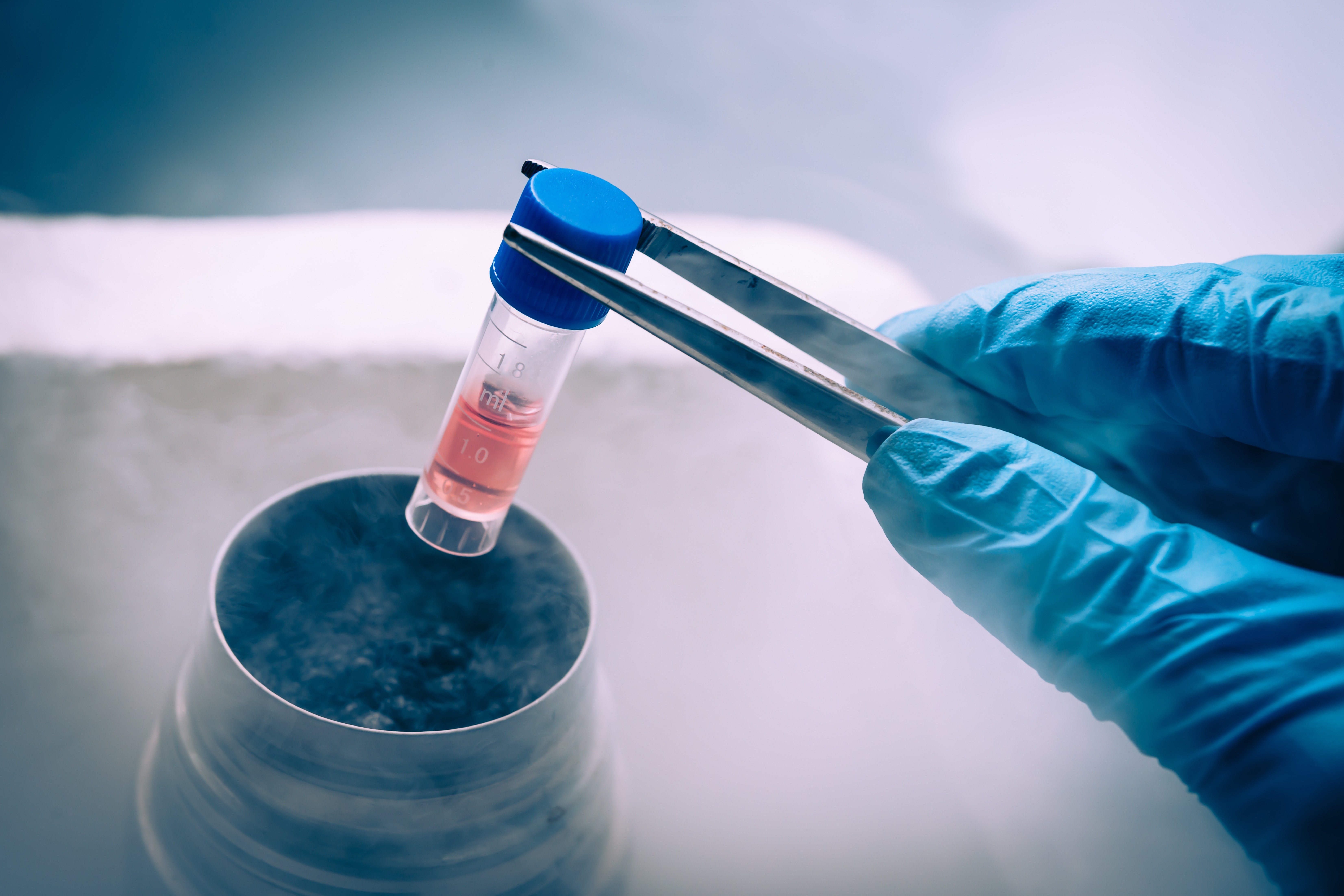
At the moment of birth, cord blood and tissue can be safely and painlessly collected without any interference with the delivery process. Cryoviva Life Sciences provides a sophisticated ecosystem for the preservation of these biological assets, ensuring they remain viable for decades.
Our Core Services Include:
- Cord Blood Banking: Professional cryopreservation of HSCs for potential life-saving treatments.
- Cord Tissue Banking: Specialized storage of MSCs, offering a broader scope for future regenerative therapies.
- Advanced Preservation Plans: Comprehensive options that integrate cord blood, cord tissue, and MSC expansion, ensuring that if a medical need arises, you have an adequate "dose" of cells for treatment.
Take the Next Step in Your Pregnancy Journey
Investing in stem cell preservation is a once-in-a-lifetime opportunity to safeguard your child’s biological heritage. As you plan your prenatal diet and prepare for your little one's arrival, take a moment to explore how Cryoviva can be a part of your family’s long-term healthcare strategy.
Speak with a Consultant Today: To learn more about how stem cell banking fits into your birth plan, contact us at 09311042957 or simply fill our contact form.
Final Thoughts
Makhana is more than just a traditional snack; it is a nutritional powerhouse that fits perfectly into a mindful pregnancy diet. By providing a steady release of energy, supporting digestive health, and offering essential minerals like magnesium and calcium, it helps address some of the most common physical demands of pregnancy. To reap the maximum benefits, stick to home-roasted versions seasoned with A2 ghee, turmeric, and black pepper, ensuring you avoid the hidden sodium and preservatives found in store-bought packets.
However, nutrition is just one pillar of a healthy pregnancy. While you focus on fueling your body with the right foods today, it is equally important to look ahead at the evolving landscape of your baby’s long-term wellness.
Just as a balanced diet provides a foundation for your baby’s development in the womb, cord blood and cord tissue banking offer a foundation for their health in the years to come. At Cryoviva Life Sciences, we help families bridge the gap between prenatal care and future medical security. Choosing to preserve your baby’s stem cells is a forward-thinking decision - one that ensures your child has access to advanced medical resources should they ever be needed.
As you navigate this journey, remember that every choice, from the snacks you enjoy to the healthcare legacy you build, contributes to a safer, healthier future for your growing family.
FAQ
Q: Is it safe to eat makhana every day during pregnancy?
A: Yes, makhana is safe for daily consumption. It is a natural, non-processed superfood that provides steady energy. However, like any prenatal food, moderation is key. Aim for 30–50 grams (about 1-2 handfuls) per day to maintain a balanced diet.
Q: Can I eat makhana during the first trimester?
A: Absolutely. Makhana is often recommended during the first trimester because it is light, easy to digest, and low in fat. Its neutral taste can also be helpful for women experiencing morning sickness or a sensitive stomach.
Q: Does eating makhana lead to excessive weight gain in pregnancy?
A: No. In fact, makhana is a low-calorie, high-fiber snack that promotes satiety (feeling full). It is an excellent alternative to fried snacks and can help manage healthy pregnancy weight gain by curbing cravings for calorie-dense junk food.
Q: Can makhana help with pregnancy-induced insomnia?
A: Yes. Makhana has mild sedative properties and contains isoquinoline alkaloids, which may help relax the nervous system. Eating a small portion before bed may help improve sleep quality, a common challenge for expectant mothers.
Q: Is makhana safe for women with gestational diabetes?
A: Yes, but in moderation. Makhana has a low Glycemic Index (GI), meaning it doesn't cause rapid blood sugar spikes. However, women with gestational diabetes should opt for plain roasted makhana and avoid sugary "kheer" or heavily flavored versions.
Q: Are there any side effects of eating too much makhana?
A: While beneficial, excessive intake (over 100g/day) may lead to bloating, gas, or constipation due to its high fiber content. Always pair your makhana intake with adequate water to help your digestive system process the fiber smoothly.




 Enquiry
 Email
Email Phone
Phone
 Whatsapp