
Stem Cell Preservation Process Explained: From Registration to Storage
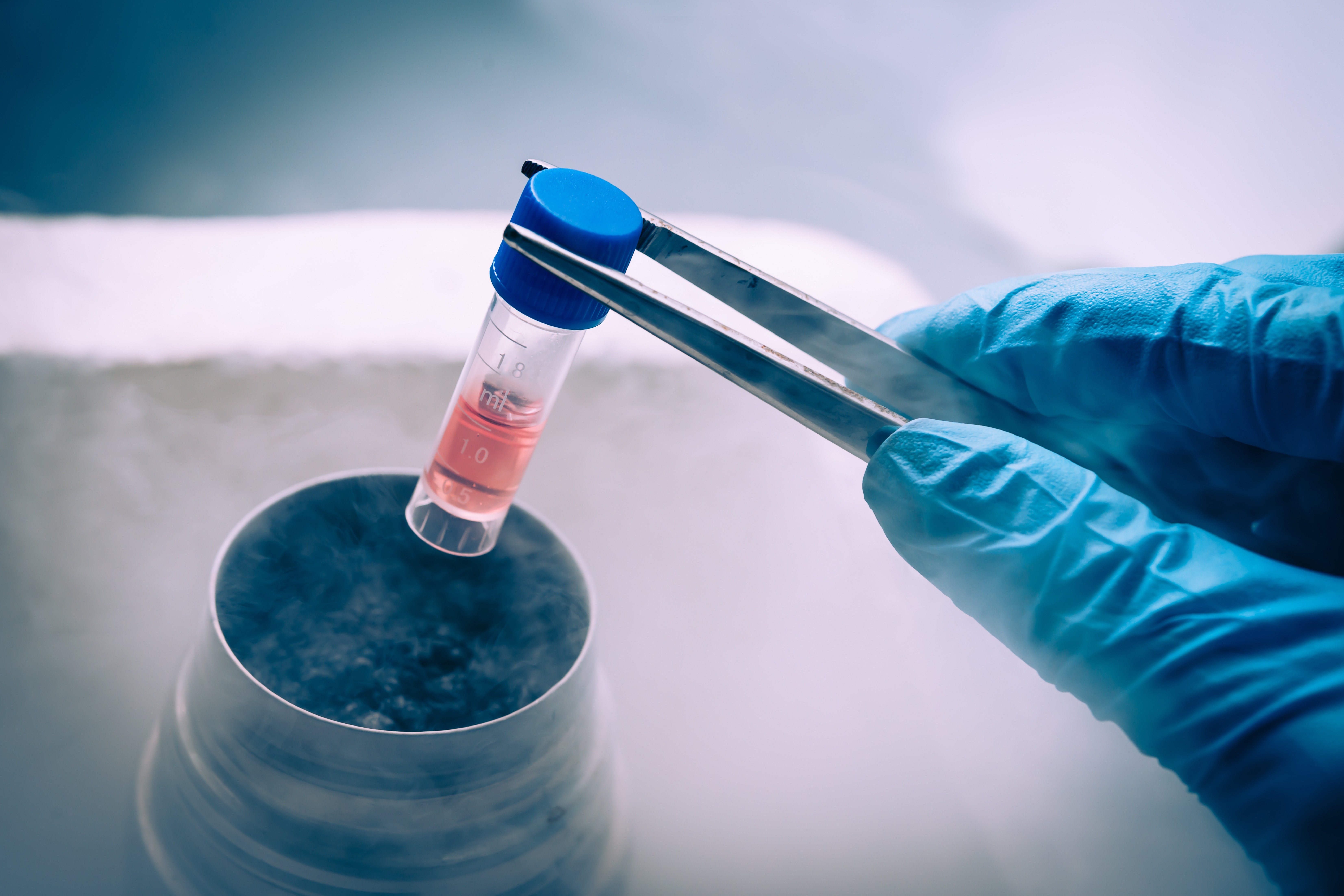
Table of Contents
- 1. Key Takeaways
- 2. What is Stem Cell Preservation?
- 3. The Step-by-Step Process of Stem Cell Banking
- 3.1. Step 1: Enrolling With a Stem Cell Bank
- 3.2. Step 2: Shipment of Collection Kit to the Hospital
- 3.3. Step 3: Stem Cell Collection After Birth
- 3.4. Step 4: Safe Packaging and Transportation
- 3.5. Step 5: Testing and Processing in the Laboratory
- 3.6. Step 6: Cryopreservation and Long-Term Storage
- 4. Factors to Consider Before Choosing a Stem Cell Bank
- 5. Preserve Your Baby’s Stem Cells With Cryoviva Life Sciences
- 6. Frequently Asked Questions
- 6.1. Q1. What are the benefits of stem cell preservation?
- 6.2. Q2. What are the uses of preserved stem cells?
- 6.3. Q3. How much does stem cell preservation cost in India?
- 6.4. Q4. What are the pros and cons of stem cell preservation?
- 6.5. Q5. What are the benefits of umbilical cord preservation?
Key Takeaways
|
Most parents hear about stem cell preservation for the first time during pregnancy, and with that comes a series of questions: “What happens during collection?”, “Is it safe for the baby?”, “What needs to be arranged before delivery?”. The medical terminology and technical steps involved can make the whole process feel more complicated than it actually is. To help address all such questions, in this article, we’ll cover the complete stem cell preservation process, starting from what happens before delivery, to the moment of collection, to what goes on in the laboratory once the sample is collected. But before that, let’s understand stem cell preservation.
What is Stem Cell Preservation?
Stem cell preservation is the process of collecting, processing, and storing stem cells found in a newborn's umbilical cord blood and tissue, immediately after birth. These stem cells are unique because they are young, potent, and have not yet been exposed to environmental factors that can affect cell quality over time. Once collected, they are stored in specialised facilities at extremely low temperatures, where they can remain viable for decades. The idea is simple: preserve them now, when the opportunity exists, so they are available if ever needed for medical treatment down the line.
Stem cell preservation generally involves two main sources:
- Cord Blood: Rich in blood-forming stem cells that are currently used in the treatment of certain blood and immune-related disorders.
- Cord Tissue: Contains mesenchymal stem cells, which are being widely studied in regenerative medicine and tissue repair research.
Since these stem cells can only be collected at birth, parents who are considering preservation usually need to make arrangements during pregnancy itself.
Read Also: Stem Cell Preservation: Why It Matters and How It Works
The Step-by-Step Process of Stem Cell Banking
Stem cell banking does not begin in the laboratory. It begins weeks before the due date, with a series of preparations that need to be in place well before delivery day. Here is how the entire process unfolds:
Step 1: Enrolling With a Stem Cell Bank
The first step is choosing and registering with a stem cell bank, ideally during the second trimester, at least four to six weeks before the expected delivery date. During enrolment, the bank collects medical history details, explains available storage plans, and dispatches a collection kit. Some banks also offer a pre-enrolment consultation to walk families through what to expect on delivery day. Leaving this step too late can mean missing the window entirely.
Step 2: Shipment of Collection Kit to the Hospital
The collection kit dispatched by the stem cell bank contains everything the medical team needs to collect the sample:
- Blood collection bags
- Anticoagulant solution
- Cord tissue collection vials
- Needles and labels
- Step-by-step instructions for the delivering physician
The kit must be carried to the hospital on delivery day, packed alongside the hospital bag well in advance. The delivering doctor or midwife should also be informed about the plan during a prenatal visit, so there is no confusion in the delivery room.
Step 3: Stem Cell Collection After Birth
Collection takes place after the baby is born and after the umbilical cord has been clamped and cut, posing no risk to the mother or newborn. The delivering physician inserts a needle into the umbilical vein and drains the remaining cord blood into the collection bag using gravity. This typically takes three to five minutes. If cord tissue is also being collected, a small segment of the cord is separately stored in the provided vial. The entire collection process is completed before the placenta is delivered.
Step 4: Safe Packaging and Transportation
Once collected, the sample is sealed, labelled, and packed into the insulated transport container included in the collection kit. This container is designed to maintain the sample at a stable temperature during transit. The family or hospital staff then contacts the stem cell bank, which arranges for a courier to pick up the kit, usually within a few hours of collection. Most banks operate a round-the-clock pickup service given that births do not follow a schedule. The sample must reach the laboratory within 48 hours of collection to ensure cell viability.
Step 5: Testing and Processing in the Laboratory
On arrival at the laboratory, the sample goes through a series of checks and processing steps before it can be stored:
- The sample is tested for volume, cell count, and viability
- Infectious disease screening is carried out on the maternal blood sample
- The cord blood is processed to separate and concentrate the stem cells
- Cord tissue, if collected, is processed separately to isolate mesenchymal stem cells
- A detailed report is generated and shared with the family
Processing is typically completed within 24 to 72 hours of the sample arriving at the lab.
Step 6: Cryopreservation and Long-Term Storage
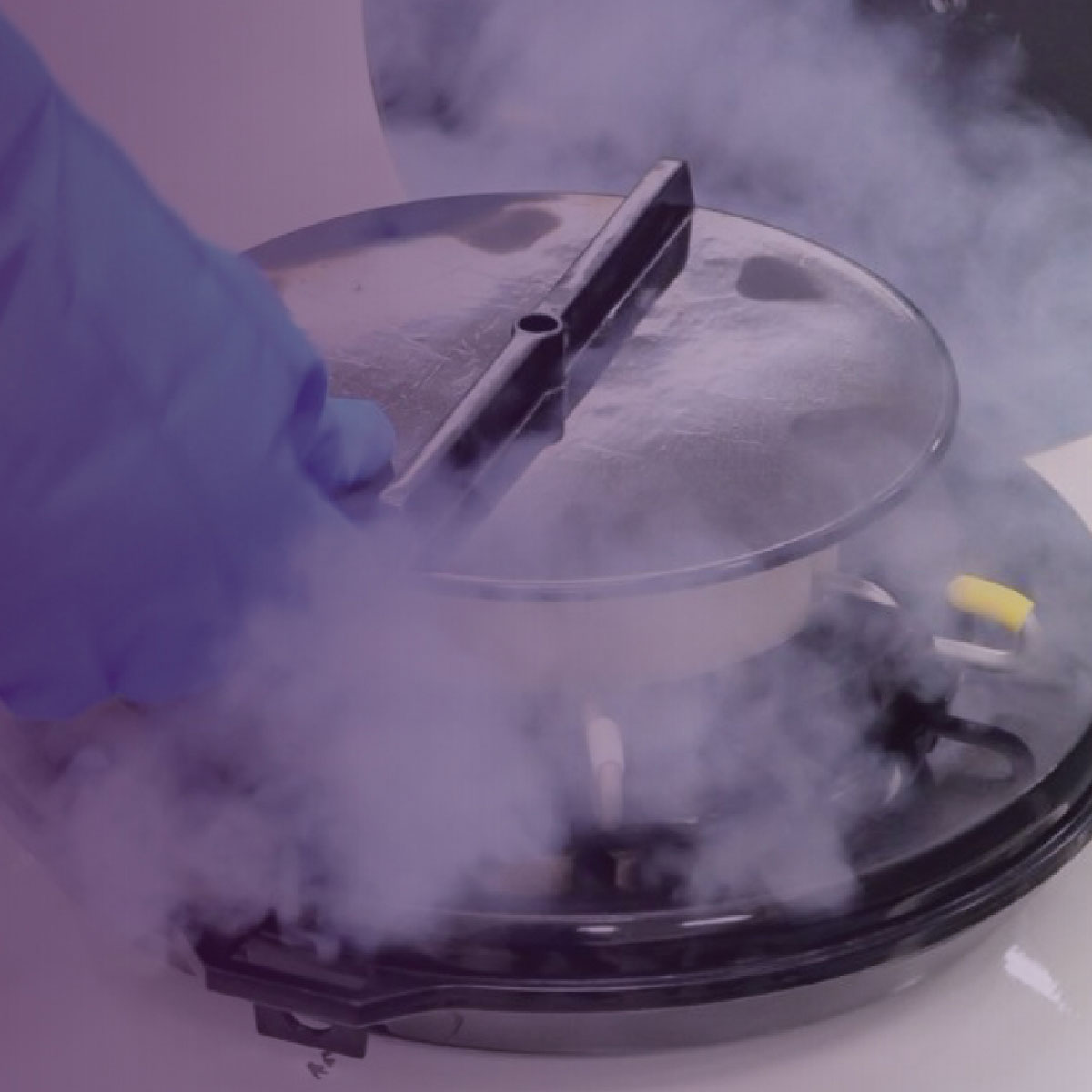
Once processing is complete, the stem cells are loaded into cryogenic vials and cooled in a controlled manner using a process called controlled-rate freezing. This gradual cooling prevents ice crystal formation, which can damage cell structure. The vials are then transferred to liquid nitrogen storage tanks, where they are maintained at minus 196 degrees Celsius. At this temperature, all biological activity is essentially paused, allowing the cells to remain viable for decades. The family receives a storage confirmation along with details of the sample's cell count and quality report.
Read Also: Stem Cell Collection at Birth: Step-by-Step Process
Factors to Consider Before Choosing a Stem Cell Bank
Choosing a stem cell bank is as important as the decision to preserve in the first place. The bank is responsible for maintaining the sample for potentially decades, so the choice deserves careful thought. Here are the key factors worth looking into:
- Accreditation: Look for banks accredited by recognised bodies such as AABB, NABL, CAP, WHO GMP, or ISO. Accreditation signals that the bank meets established international standards for processing, storage, and safety.
- Storage Infrastructure: A dedicated, in-house cryogenic processing and storage facility offers far greater control and accountability than one that outsources either function.
- Track Record: How long has the bank been operating? A bank with close to two decades of experience and a documented history of successful sample releases for actual medical use carries considerably more weight than a newer entrant.
- Sample Release History: Ask how many times the bank has successfully released preserved samples for treatment, including both autologous and allogeneic use. This is a practical indicator of reliability.
- Processing Technology: Find out whether the bank uses automated processing systems and closed bag collection methods, both of which significantly reduce the risk of contamination and ensure higher stem cell yield.
- Post-Enrolment Support: Given that the relationship with a stem cell bank can span two decades or more, round the clock customer support and accessible medical concierge services matter far more than they might seem upfront.
Read Also: 8 Reasons to Choose Cryoviva Life Sciences for Stem Cell Preservation
Preserve Your Baby’s Stem Cells With Cryoviva Life Sciences
The science behind stem cell preservation has come a long way, and so has access to it. What was once considered a niche medical decision is now something thousands of families in India are making every year, with good reason. What makes it unlike most other decisions made during pregnancy is the timing. There is no going back, no second chance, and no alternative window. Which is precisely why understanding the process early, and choosing the right bank to trust with it, matters as much as it does. For families who want to learn more or enrol before their due date, contact Cryoviva Life Sciences at 1800 101 9587, or email us at [email protected]. Our team is ready to provide guidance and answer any questions you may have.
Frequently Asked Questions
Q1. What are the benefits of stem cell preservation?
Stem cell preservation benefits include access to a genetically matched biological resource that can be used to treat over 80 conditions. Preserved cells can be used by the child, siblings, or compatible family members, and retain their medical value for decades.
Q2. What are the uses of preserved stem cells?
The uses of stem cell preservation currently include treatment of blood disorders, immune deficiencies, and certain cancers. Research is ongoing into conditions like Cerebral Palsy, Autism, and Type 1 Diabetes, with the scope of applications expected to grow significantly.
Q3. How much does stem cell preservation cost in India?
Stem cell preservation cost in India includes a one-time enrolment and processing fee along with an annual storage charge. Costs vary by bank and storage plan. Most banks offer flexible payment options, so it is worth requesting a full breakdown before enrolling.
Q4. What are the pros and cons of stem cell preservation?
The pros of stem cell preservation include a safe, non-invasive collection process, decades of viable storage, and no donor search required if treatment is ever needed. The cons include ongoing storage costs and a relatively low probability of use. Most families treat it as long-term biological insurance.
Q5. What are the benefits of umbilical cord preservation?
Umbilical cord preservation benefits come from access to two distinct stem cell types. Cord blood contains haematopoietic stem cells used in blood and immune treatments. Cord tissue contains mesenchymal stem cells being researched for regenerative therapies. Preserving both maximises future treatment options.
.jpg)
.jpg)

 Enquiry
 Email
Email Phone
Phone
 Whatsapp