
Newborn Stem Cell Preservation
Newborn stem cell preservation is an important step taken at the time of birth to secure stem cells when they are at their youngest, most powerful and adaptable. These cells have the potential to support a wide range of future medical treatments, making early preservation a meaningful part of long-term health planning. At Cryoviva Life Sciences, newborn stem cell preservation is approached with science, safety, and trust at the core. The stem cells are collected at the time of delivery, when they are naturally rich and most effective, without causing any discomfort or risk to the mother or baby. Designed to be safe, transparent, and parent-friendly, Cryoviva’s process supports informed decision-making at a time when it matters the most.
What is Newborn Stem Cell Preservation?
Newborn stem cell preservation is the process of collecting and storing special cells that are naturally present at the time of a baby’s birth. These stem cells have the unique ability to develop into different types of cells in the body and play an important role in repairing and regenerating tissues.
At birth, stem cells can be safely collected from the umbilical cord and preserved under controlled laboratory conditions for long-term use. This is a one-time opportunity, as these particular stem cells are only available during delivery. Once preserved, they can be stored for years and accessed later if a medical need arises.
For parents, newborn stem cell preservation is about keeping future medical options open. While these stem cells may not be needed immediately, preserving them early ensures they are available if required later in life, under the guidance of a doctor. The process itself is simple, safe, and does not interfere with childbirth or the care of the newborn.
Why the Time of Birth Matters
The time of birth is the only moment when certain stem cells can be collected naturally and safely. Once a baby is born and the umbilical cord is cut, these stem cells are no longer available. This makes birth a unique, one-time opportunity for preservation.
Stem cells present at birth are young, highly active, and less exposed to infections or environmental factors. Because of this, they have a greater ability to grow, repair, and support treatment when compared to stem cells collected later in life. Doctors value these cells for their quality and adaptability.
Preserving stem cells at birth does not mean they will definitely be needed in the future. Instead, it gives families an option to access these cells if a medical situation arises later. By choosing preservation at the time of delivery, parents are simply keeping a door open to future medical possibilities, guided by professional medical advice.
Where Do the Stem Cells Come From?
Newborn stem cells are collected from parts of the umbilical cord that are usually discarded after birth. The process is safe and does not affect the mother or the baby. Two main sources of newborn stem cells are:
Umbilical Cord Blood
This is the blood that remains in the umbilical cord after delivery. It is rich in blood-forming stem cells, which are used in the treatment of certain blood and immune-related conditions.
Umbilical Cord Tissue
This refers to the tissue of the umbilical cord itself. It contains a different type of stem cell that is being widely studied for its potential role in regenerative and repair-based treatments.
Preserving stem cells from both cord blood and cord tissue allows families to store different types of stem cells collected at a single point in time. This helps maximise the medical value of stem cell preservation while keeping future options open under medical guidance.
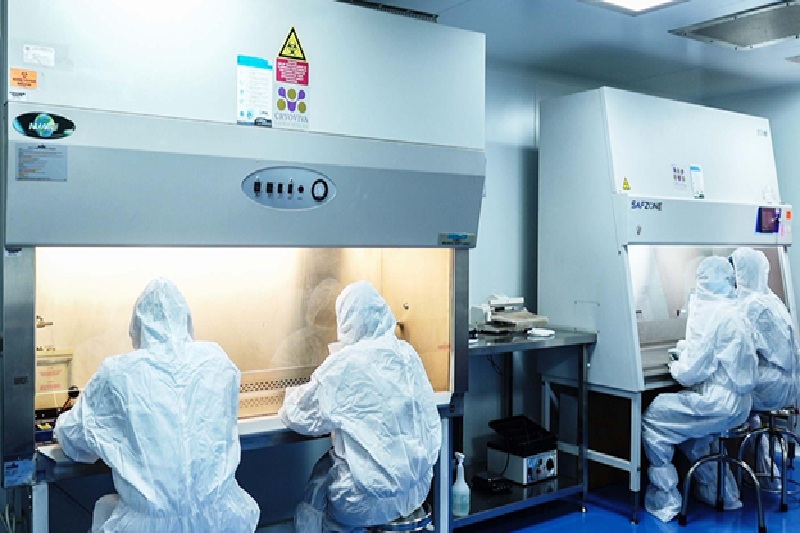
How Stem Cells Are Preserved
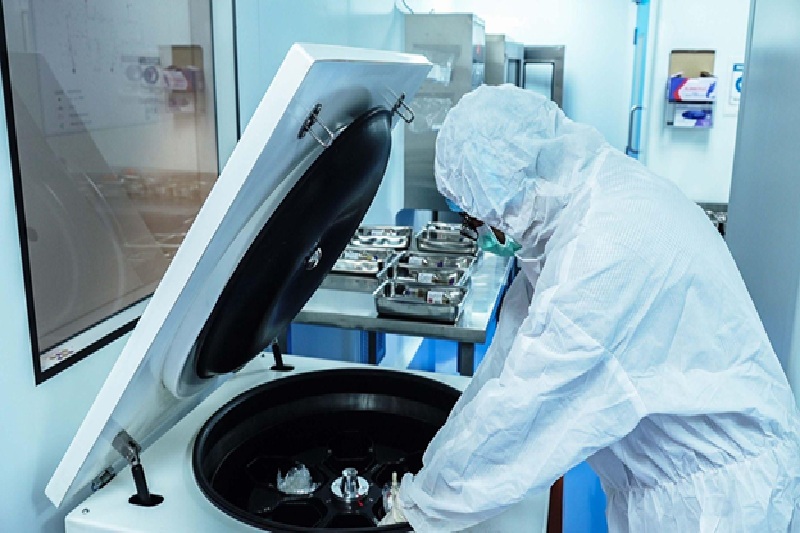
Once stem cells are collected at the time of birth, they go through a carefully controlled process to ensure they remain safe, viable, and suitable for long-term use. This process is designed to be seamless for parents while meeting strict scientific and quality standards. He preservation process includes:
Collection at Birth
Stem cells are collected immediately after delivery, once the baby is born and the umbilical cord is cut. The process is quick, painless, and does not interfere with the delivery or post-birth care of the mother and baby.
Processing in the Laboratory
After collection, the samples are transported to a specialised laboratory. Here, they are carefully processed to separate and prepare the stem cells, while maintaining their quality and effectiveness.
Long-Term Storage
The processed stem cells are preserved under controlled cryogenic conditions that help maintain their viability for many years. Continuous monitoring and strict protocols ensure that the samples remain secure and stable over time.
How Preserved Stem Cells May Be Used in the Future
Preserved newborn stem cells are used in medicine today and continue to be studied for future treatments. Their role depends on medical advice, the condition involved, and ongoing scientific research.
Uses in Current Medical Treatments
Newborn stem cells are currently used in the treatment of certain conditions, particularly those related to blood and the immune system. In these cases, stem cells help replace or repair damaged cells and support recovery under specialist care.
Areas of Ongoing Research
Stem cells are also being studied for their potential role in future therapies, especially in regenerative medicine. Research is exploring how they may help in tissue repair and healing for a wider range of conditions.
What Parents Should Know
- The use of preserved stem cells is always guided by doctors and medical teams.
- Preserving stem cells does not guarantee future treatment or outcomes.
- Storage ensures that high-quality stem cells collected at birth remain available if required later.
Read Also: Human Leukocyte Antigen (HLA): The Science Behind Stem Cell Compatibility
Who Can Benefit from Preserved Stem Cells?
Preserved newborn stem cells are primarily stored for the child, but in certain medical situations, they may also be suitable for use by close family members. The potential use depends on medical compatibility and professional medical advice. Stem cell preservation is beneficial:
For the Child
The preserved stem cells are a perfect biological match for the baby they are collected from, making them immediately suitable if ever required. In the future, these stem cells may be considered as part of medical treatment for certain conditions, depending on the child’s health needs and the advice of the treating doctor.
For Siblings
In some medical situations, preserved stem cells may be suitable for use by a sibling. This depends on how closely the stem cells match the sibling’s medical profile, which is assessed through appropriate medical evaluation and compatibility testing by specialists.
For Immediate Family Members
In selected cases, preserved stem cells may also be considered for parents or other close family members. Such use is uncommon and always depends on strict medical criteria, specialist recommendation, and the specific condition being treated.
Is the Collection Process Safe?
Safety is one of the most common concerns parents have when learning about newborn stem cell preservation. The collection process is designed to be completely safe, non-invasive, and comfortable for both the mother and the baby.
Safety for the Mother
- Stem cells are collected only after the baby is delivered.
- The process does not involve any additional procedures for the mother.
- It does not affect post-delivery care or recovery.
Safety for the Baby
- Collection takes place after the umbilical cord is clamped and cut.
- There is no contact with the baby during the collection process.
- The procedure is painless and risk-free for the newborn.
No Interference with Delivery
- Stem cell collection does not change the mode or timing of delivery.
- It does not interfere with normal or caesarean births.
- The focus of the medical team remains entirely on the health of the mother and baby.
How Cryoviva Ensures Safe and Long-Term Preservation
Once stem cells are collected, their quality and safety depend on how they are handled, processed, and stored. Cryoviva Life Sciences follows structured scientific protocols to ensure that preserved stem cells remain viable and secure for long-term use. Here’s how we, at Cryoviva Life Sciences, ensure safe and long-term stem cell preservation:
Controlled Processing and Quality Checks
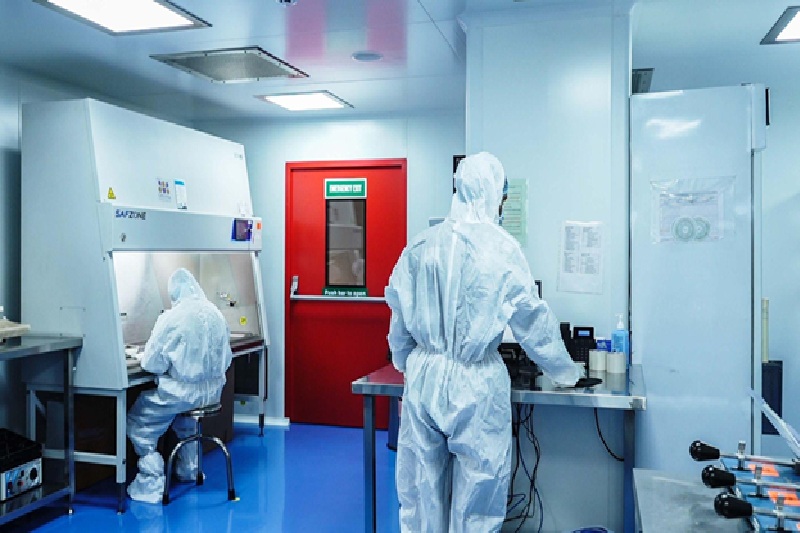
- Collected samples are handled in specialised laboratory environments.
- Each sample undergoes quality testing to assess cell viability and safety.
- Strict procedures are followed to maintain consistency and accuracy.
Secure Cryogenic Storage
- Stem cells are preserved under controlled cryogenic conditions designed for long-term storage.
- Continuous monitoring systems help maintain stable storage conditions.
- Multiple safeguards are in place to protect sample integrity over time.
Traceability and Sample Security
- Each preserved sample is carefully labelled and tracked.
- Secure systems ensure that samples can be accurately identified and accessed if required.
- Data privacy and confidentiality are maintained throughout the storage period.
Why Parents Choose Cryoviva Life Sciences
Choosing newborn stem cell preservation is a deeply personal decision, and trust plays a central role in that choice. Parents look for a provider that combines scientific expertise with transparent practices and dependable support. Here’s why many expecting parents place their trust in Cryoviva Life Sciences.
Experience and Scientific Expertise
Cryoviva Life Sciences brings years of focused experience in newborn stem cell preservation, supported by trained scientific and medical teams. Every step of the process is guided by established medical knowledge and designed in alignment with globally accepted practices, ensuring consistency, reliability, and care.
Advanced Infrastructure
Cryoviva operates specialised laboratories equipped specifically for stem cell processing and long-term storage. Systems are carefully designed to maintain quality and safety at every stage, from initial handling to preservation. Continuous monitoring and controlled environments help ensure that stored stem cells remain stable and viable over time.
Parent-Centred Support
Clear and transparent communication helps parents understand each step of the preservation journey. Support is provided before, during, and after the collection process, allowing families to ask questions and make decisions at their own pace. The focus remains on informed choice, guidance, and reassurance rather than urgency.
Safety, Quality, and Regulatory Standards
Newborn stem cell preservation involves long-term responsibility, which is why safety and compliance are central to every step of the process. Cryoviva Life Sciences follows established quality systems and regulatory guidelines to ensure ethical and reliable stem cell preservation. This commitment is reflected across these three key areas:
Adherence to Quality Standards
- Processes are designed to align with recognised national and international quality benchmarks.
- Standard operating procedures are followed across collection, processing, and storage.
- Regular checks help maintain consistency and accuracy.
Ethical and Transparent Practices
- Stem cell preservation is carried out with informed parental consent.
- Clear information is provided about the scope and limitations of stem cell use.
- No claims are made beyond what is supported by medical science.
Data Protection and Sample Confidentiality
- Personal and medical information is handled with strict confidentiality.
- Secure systems are used to protect data and sample records.
- Access to stored samples is controlled and traceable.
Make an Informed Choice for Your Baby’s Future
Every parent wants to do what is best for their child, both today and in the years to come. Newborn stem cell preservation is not about predicting the future, but about being prepared for it with care and clarity. By preserving stem cells at birth, families keep an option available that may support medical needs later in life, under professional guidance.
Cryoviva Life Sciences supports parents with accurate information, transparent processes, and scientific expertise, helping them make decisions at their own pace. Whether you are still exploring the idea or ready to learn more about the process, Cryoviva’s team is available to answer your questions and guide you with confidence and care.
FREQUENTLY ASKED QUESTIONS
Is newborn stem cell preservation mandatory?
No, newborn stem cell preservation is completely optional. It is a personal choice that parents make after understanding the potential benefits, limitations, and long-term considerations.
How long can preserved stem cells be stored?
When preserved under proper cryogenic conditions, stem cells can be stored for many years. Their viability is maintained through controlled storage and continuous monitoring.
Will preserving stem cells affect delayed cord clamping?
In most cases, stem cell collection can be coordinated with standard delivery practices. Parents are encouraged to discuss their birth plan with their doctor to understand what is medically appropriate.
What happens if the stem cells are never used?
Preserving stem cells does not mean they must be used. Many families choose preservation as a precautionary measure, similar to health insurance, keeping the option available if ever needed.
Can preserved stem cells be transferred or accessed in the future if required?
Yes, preserved stem cells can be accessed when medically indicated, following established procedures and documentation, under the guidance of treating doctors.
Is newborn stem cell preservation suitable for all deliveries?
Stem cell collection is possible in most normal and caesarean deliveries. However, the final decision depends on medical conditions at the time of birth, which the doctor will assess.
 Enquiry
 Email
Email Phone
Phone
 Whatsapp