
Exosome Therapy Explained: What it is, How it Works, and Why the Stem Cells You Bank Today are Relevant
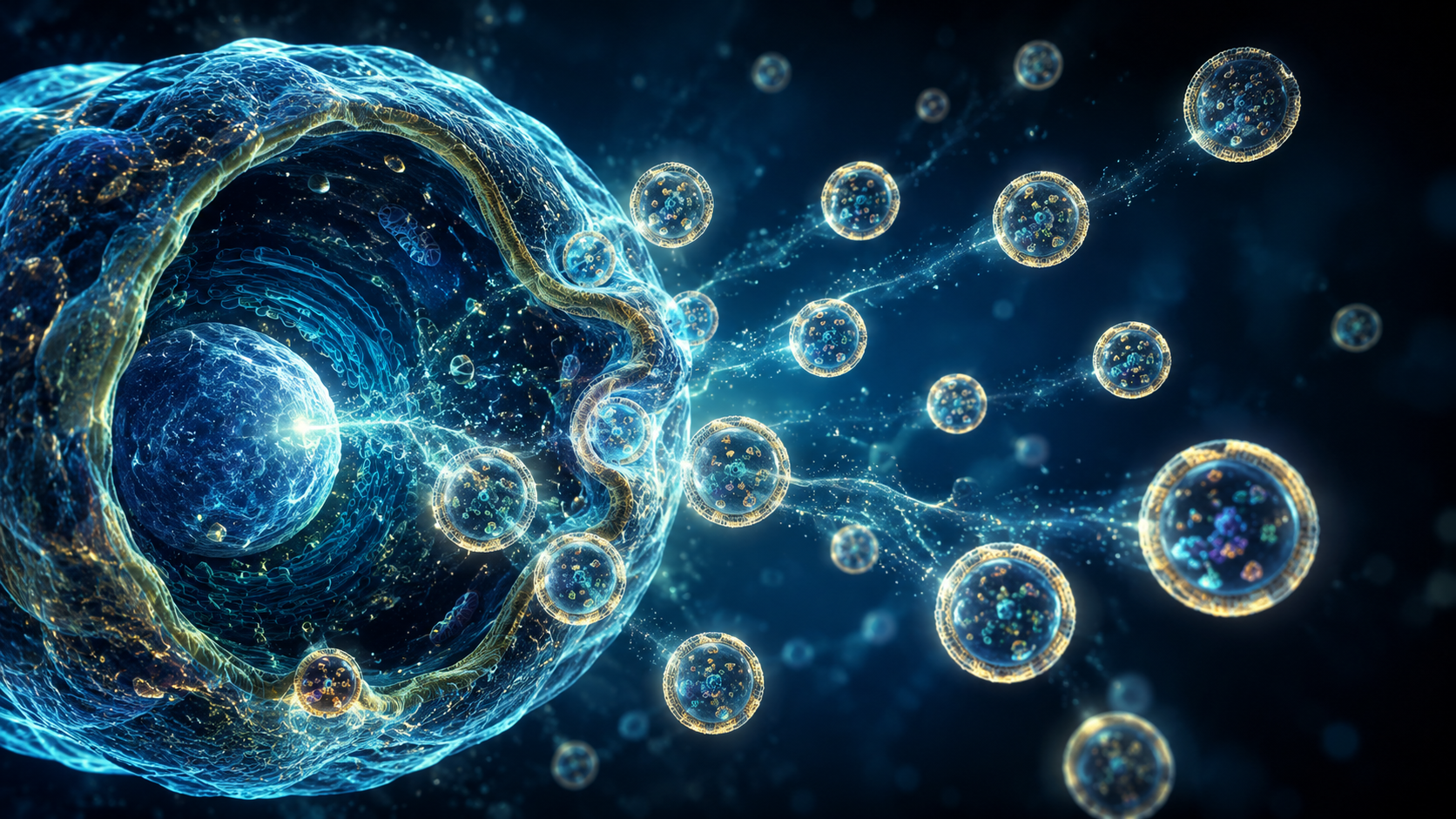
Table of Contents
- 1. What Are Exosomes?
- 2. How Exosome Therapy Works
- 2.1. The Paracrine Mechanism
- 2.2. What Happens at the Cellular Level?
- 2.3. Why Cell-Free Therapy Matters
- 3. Why MSCs Are an Important Source of Exosomes
- 4. Why the Quality of Preserved MSCs Matters
- 5. Why Cord Tissue is an Important Source of MSCs
- 5.1. Collected Before Age-Related Biological Changes
- 5.2. Lower Immunogenicity
- 5.3. The Cord Lining Advantage
- 5.4. Growing Interest in Cord-Derived MSCs
- 5.5. A One-Time Collection Opportunity
- 6. Where Exosome Research Currently Stands
- 6.1. Current Areas of Investigation
- 6.2. Regulatory Status
- 6.3. Important Consideration
- 7. How Cryoviva Helps Preserve the MSC Source Behind Exosome Research
- 8. The Stem Cells Preserved Today May Matter More Than You Think
- 9. Frequently Asked Questions
- 9.1. Q: What are exosomes and how are they different from stem cells?
- 9.2. Q: How does exosome therapy work?
- 9.3. Q: Why are MSC-derived exosomes considered the most therapeutically relevant?
- 9.4. Q: Does Cryoviva Life Sciences administer exosome therapy?
- 9.5. Q: Why does the quality of preserved MSCs matter for exosome therapy?
- 9.6. Q: Is exosome therapy approved in India?
- 9.7. Q: What is the connection between cord tissue banking and exosome therapy?
- 9.8. Q: Why can cord tissue only be collected at birth?
Every cell in the body communicates. Not only through nerve signals or chemical messengers, but also through tiny vesicles released into the surrounding environment - packages carrying molecular instructions that tell neighbouring cells to repair, regulate, or respond.
These vesicles are called exosomes. For most of scientific history, they were considered cellular debris - a byproduct of normal cell activity with no particular significance. That understanding has changed considerably over the past two decades. Today, exosomes sit at the centre of one of the most actively investigated areas of regenerative medicine, with clinical trials registered across dozens of conditions worldwide.
Through this article, we’ll explain what exosomes are, how they work at a cellular level, why mesenchymal stem cells are their most therapeutically relevant source, and why the decision to preserve cord tissue at birth has a direct biological connection to this emerging field.
What Are Exosomes?
Exosomes are extracellular vesicles - small membrane-bound particles released by cells into their surrounding environment. Typically measuring between 30 and 150 nanometres in diameter, they are too small to be seen with a standard light microscope but large enough to carry a biologically significant cargo.
Exosomes are not produced randomly. They are formed within specialised intracellular structures known as multivesicular bodies. When these structures fuse with the cell membrane, the enclosed vesicles are released into the extracellular environment as exosomes. The cargo contained within each exosome - including proteins, lipids, messenger RNA (mRNA), and microRNA (miRNA) - reflects the identity and biological state of the cell from which it originated.
This cargo is what makes exosomes an important area of research. Rather than simply transporting biological material between cells, exosomes facilitate intercellular communication by transferring molecular signals that may influence cellular behaviour, gene expression, inflammatory responses, and tissue repair processes.
Mesenchymal stem cell (MSC)-derived exosomes are of particular interest because they contain a diverse range of bioactive molecules, including miRNAs, mRNAs, cytokines, lipids, and growth factors. Researchers believe that many of the biological effects attributed to MSCs may be mediated through these secreted vesicles and their molecular cargo. Consequently, MSC-derived exosomes are being extensively investigated for their potential role in regenerative medicine and cell-free therapeutic approaches.
How Exosome Therapy Works
To understand exosome therapy, it helps to first understand what researchers have learned about how stem cells interact with the body.
The Paracrine Mechanism
For many years, scientists believed that stem cells repaired damaged tissues by turning into new replacement cells. However, research now suggests that many of their effects may come from the signals they send to other cells.
This process is known as paracrine signalling. Stem cells release a variety of biological molecules that help nearby cells communicate, respond to injury, and support the body's natural repair processes.
Exosomes are believed to play an important role in this communication. They act like tiny biological messengers, carrying proteins, lipids, and genetic material from one cell to another. Through these signals, exosomes may influence inflammation, immune responses, and tissue repair.
What Happens at the Cellular Level?
Once released or administered, exosomes interact with target cells and deliver their molecular cargo. These signals can influence how cells behave and communicate with one another.
Rather than repairing damaged tissues directly, exosomes help coordinate the body's own repair processes. Researchers believe they may influence how cells respond to injury, regulate inflammation, and support tissue recovery.
Because these effects depend on a series of biological processes within the body, any response may develop gradually over time rather than immediately after administration.
Why Cell-Free Therapy Matters
Unlike living stem cells, exosomes cannot grow, divide, or develop into new cells. This has made them an important area of research as a potential cell-free approach to regenerative medicine.
Researchers are also investigating whether exosomes may offer practical advantages in areas such as storage, transport, and manufacturing when compared with some cell-based therapies. However, exosome-based therapies remain an active area of scientific and clinical research, and additional studies are required to better understand their safety, efficacy, and long-term outcomes.
Why MSCs Are an Important Source of Exosomes
Exosomes can be produced by many different types of cells. However, mesenchymal stem cells (MSCs) have become one of the most extensively studied sources of exosomes in regenerative medicine research.
Researchers are particularly interested in MSC-derived exosomes because they carry many of the bioactive molecules associated with the biological activity of MSCs. These molecules may influence processes such as tissue repair, immune regulation, and inflammation, making MSC-derived exosomes an important area of ongoing investigation.
In recent years, scientific interest has increasingly focused on MSC-derived exosomes as a cell-free approach to regenerative medicine. This shift reflects a growing understanding that many of the biological effects associated with MSCs may be mediated through the signals they release rather than through the direct integration of the cells into damaged tissues.
Why the Quality of Preserved MSCs Matters
The biological activity of an exosome is closely linked to the condition of the mesenchymal stem cell (MSC) that produced it. Because exosomes carry proteins, growth factors, and genetic material derived from their parent cells, the quality of the originating MSCs may influence the composition and biological properties of the exosomes they generate.
For this reason, the collection, processing, and preservation of MSCs are important considerations. Researchers recognise that factors such as cell source, processing methods, storage conditions, and long-term preservation practices can influence cellular integrity and, consequently, the biological characteristics of MSC-derived exosomes.
As interest in exosome-based therapies continues to grow, the quality of preserved MSCs remains an important area of focus in both stem cell banking and regenerative medicine research.
Read Also: Unlocking the Healing Potential: The Power of Mesenchymal Stem Cells
Why Cord Tissue is an Important Source of MSCs
Mesenchymal stem cells (MSCs) can be isolated from several tissues, including bone marrow, adipose tissue, and umbilical cord tissue. However, umbilical cord tissue has emerged as an important source of MSCs in regenerative medicine research because of its unique biological characteristics and non-invasive collection process.
Collected Before Age-Related Biological Changes
Cord tissue MSCs are collected at birth, before the age-related biological changes that can influence stem cell behaviour over time. Studies have reported lower expression of cellular senescence markers, including p16, p21, and p53, in cord tissue-derived MSCs compared with certain adult-derived MSC sources. Reduced expression of these markers is generally associated with a more youthful cellular phenotype and may contribute to greater proliferative capacity.
Lower Immunogenicity
Research has shown that cord tissue-derived MSCs express lower levels of certain immune-related surface markers compared with some adult-derived MSC sources. These characteristics have contributed to growing interest in their potential use in allogeneic settings, where cells from one individual may be used in another, subject to applicable clinical and regulatory requirements.
The Cord Lining Advantage
In addition to Wharton's jelly, the cord lining has attracted attention as a source of both mesenchymal stem cells and epithelial stem cells. This provides access to multiple stem cell populations from a single tissue source. Ongoing research continues to investigate the biological properties of these cells and their potential role in future regenerative medicine applications.
Growing Interest in Cord-Derived MSCs
The distinctive biological characteristics of cord tissue-derived MSCs have contributed to increasing scientific interest in their potential applications, including the development of MSC-derived exosome therapies. Researchers continue to evaluate how the source and quality of MSCs may influence the biological activity of the exosomes they produce.
A One-Time Collection Opportunity
Unlike bone marrow or adipose tissue, which can be collected later in life through dedicated procedures, umbilical cord tissue is available only during the period surrounding birth. Once the umbilical cord has been discarded after delivery, the opportunity to preserve the MSCs it contains is lost.
For families considering stem cell preservation, this limited collection window is an important consideration, particularly as research into MSCs, exosomes, and regenerative medicine continues to evolve.
Read Also: Why Cord Tissue Banking Is a Lifesaving Investment
Where Exosome Research Currently Stands
Exosome research has expanded significantly over the past decade and continues to attract growing scientific and clinical interest. Researchers around the world are investigating the potential role of exosomes across a wide range of diseases and medical conditions.
Approximately 240 clinical trials involving exosome-based therapies were registered worldwide between 2011 and early 2024, with around 50 interventional studies focused on the development of new therapeutic candidates. More recent analyses have highlighted increasing research activity across areas such as oncology, neurodegenerative diseases, cardiovascular disorders, musculoskeletal conditions, and regenerative medicine.
Current Areas of Investigation
Exosome-based therapies are currently being studied in a variety of research settings, including:
- Orthopaedic and Musculoskeletal Conditions: Osteoarthritis, cartilage repair, degenerative disc disease, and sports-related injuries.
- Neurological Disorders: Parkinson's disease, Alzheimer's disease, multiple sclerosis, stroke, and spinal cord injury.
- Cardiovascular Conditions: Ischaemic heart disease, heart failure, and myocardial repair.
- Autoimmune and Inflammatory Disorders: Rheumatoid arthritis, systemic lupus erythematosus, inflammatory bowel disease, and pulmonary fibrosis.
- Dermatological Applications: Skin regeneration, scar remodelling, and pigmentation disorders.
- Other Areas of Research: Diabetes and its complications, kidney disease, liver disorders, ophthalmic conditions, and drug-delivery systems.
Regulatory Status
Despite growing research activity, exosome-based therapies remain at an early stage of clinical development. As of 2026, no exosome product has received full approval from the US Food and Drug Administration (FDA) for therapeutic use.
In India, exosome-based therapies are generally regarded as investigational for most therapeutic applications and are subject to applicable regulatory requirements and clinical oversight. Regulatory frameworks continue to evolve as additional scientific and clinical evidence becomes available.
Important Consideration
Most applications involving exosome-based therapies remain investigational. Additional preclinical and clinical studies are required to further evaluate their safety, efficacy, optimal use, and long-term outcomes. References to ongoing research should not be interpreted as evidence of proven clinical benefit, nor as a guarantee of future therapeutic applications.
How Cryoviva Helps Preserve the MSC Source Behind Exosome Research
As discussed earlier, mesenchymal stem cells (MSCs) are among the most extensively studied sources of exosomes in regenerative medicine research. Because the biological characteristics of exosomes are closely linked to the cells that produce them, preserving the underlying stem cell source remains an important consideration.
This is where Cryoviva Life Sciences helps. The company focuses on the collection, processing, preservation, and long-term storage of cord tissue, which contains MSCs that continue to be studied for their regenerative and immunomodulatory properties and as a source of exosomes in ongoing research.
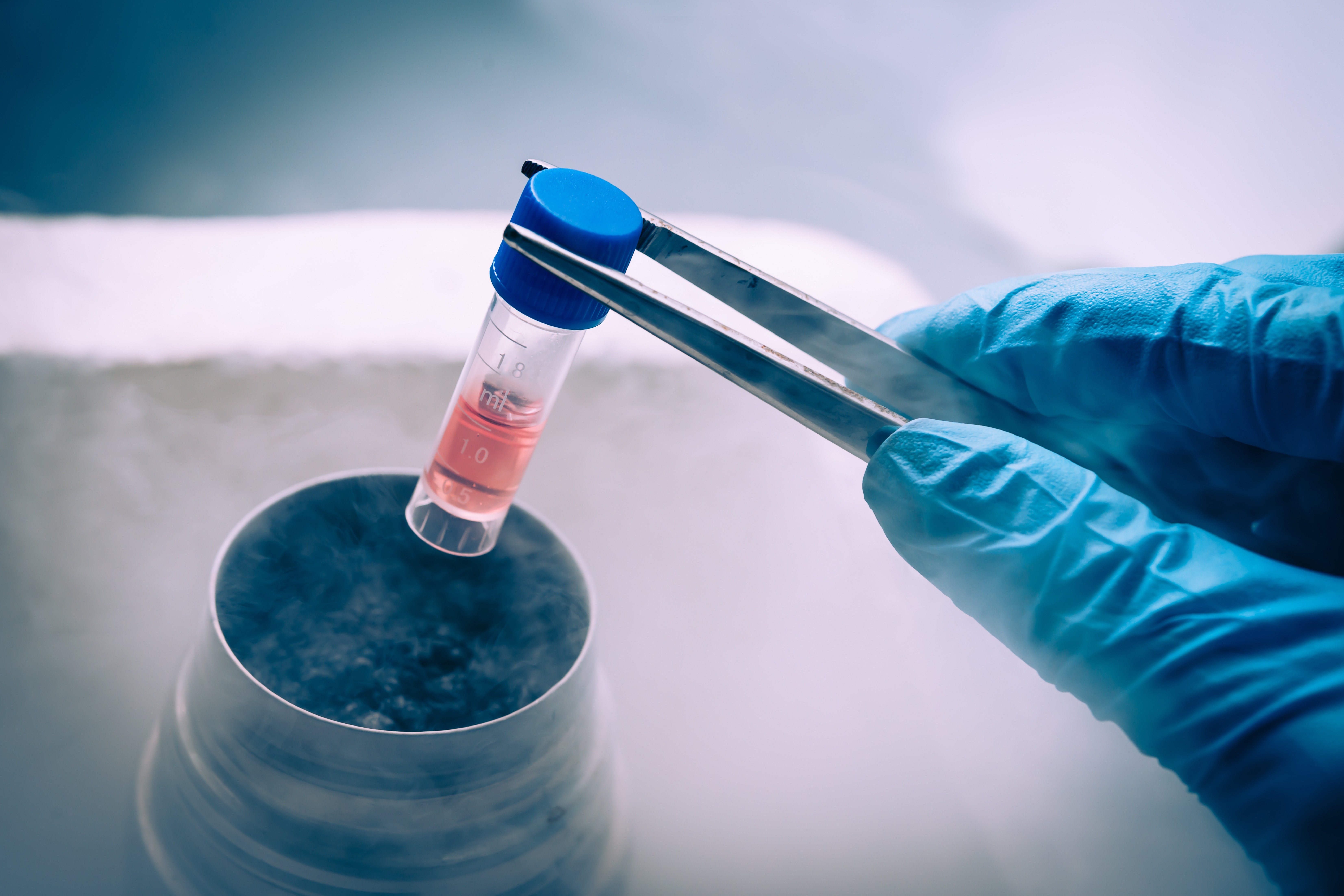
Cord tissue samples processed by Cryoviva undergo quality assessment and are preserved in a GMP-certified facility under controlled cryogenic storage conditions. The company maintains quality management systems aligned with internationally recognised standards and reports compliance with relevant guidelines and accreditation requirements associated with organisations such as the WHO, ISO, US FDA, AABB, NABL, and CAP, where applicable.
Cryoviva also operates multiple storage facilities with continuous environmental monitoring and established contingency protocols designed to support the long-term preservation of stored samples. Preservation plans are available for periods ranging from 21 years to 75 years.
While research into MSC-derived exosomes continues to evolve, preserving cord tissue at birth allows families to store a source of MSCs that can only be collected during a limited window surrounding delivery. Any future use of preserved cells would depend on factors such as medical indication, clinical suitability, regulatory requirements, and the scientific evidence available at that time.
The Stem Cells Preserved Today May Matter More Than You Think
Exosome research continues to expand, with scientists investigating how these naturally occurring cellular messengers may contribute to future advances in regenerative medicine. While many potential applications remain under scientific and clinical evaluation, growing interest in exosomes has also highlighted the importance of the mesenchymal stem cells (MSCs) from which they originate.
For families considering stem cell preservation, this evolving area of research offers another perspective on the value of cord tissue collected at birth. Because cord tissue can only be preserved during a limited window surrounding delivery, understanding the current science, preservation options, and long-term considerations can help families make a more informed decision.
To learn more about cord tissue preservation, families are encouraged to speak with a Cryoviva Life Sciences specialist before their expected delivery date. Call 1800 101 9587 (toll-free) or visit cryovivalifesciences.in.
Read Also: Stem Cell Preservation: Why It Matters and How It Works
Frequently Asked Questions
Q: What are exosomes and how are they different from stem cells?
Exosomes are nano-sized vesicles released by cells that carry proteins, lipids, and genetic material, acting as molecular messengers between cells. Stem cells are living cells capable of self-renewal and differentiation. In exosome therapy, the vesicles produced by stem cells are used therapeutically rather than the cells themselves - a cell-free approach that avoids the complexity of live cell transplantation.
Q: How does exosome therapy work?
Once administered, exosomes fuse with target cells and deliver their molecular cargo, including microRNA, growth factors, and signalling proteins. This modulates inflammation, activates tissue repair pathways, and creates a pro-regenerative environment in damaged tissue. The response is gradual and typically develops over weeks to months following administration.
Q: Why are MSC-derived exosomes considered the most therapeutically relevant?
Mesenchymal stem cells produce exosomes that carry their regenerative and immunomodulatory signals. Research has shown that MSC-derived exosomes can recapitulate the biological activity of the MSCs themselves, making them the most studied and therapeutically significant source of exosomes in current regenerative medicine research.
Q: Does Cryoviva Life Sciences administer exosome therapy?
No. Cryoviva's role is in the processing, preservation, and long-term storage of mesenchymal stem cells - the biological source from which therapeutic exosomes are derived. Clinical administration of exosome therapy is carried out by treating physicians and specialist centres.
Q: Why does the quality of preserved MSCs matter for exosome therapy?
The composition and bioactivity of exosomes are directly determined by the biological state of the MSCs that produce them. MSCs that are poorly processed or stored under suboptimal conditions produce exosomes with diminished signalling capacity. MSCs preserved under validated cryogenic conditions retain the functional integrity needed to generate exosomes with consistent biological activity.
Q: Is exosome therapy approved in India?
Exosome therapy is currently classified as investigational in India for therapeutic applications and is permitted under physician oversight in line with the National Guidelines for Stem Cell and Related Product Use. No exosome products have received full regulatory approval globally as of 2026. Regulatory frameworks continue to evolve as the evidence base grows.
Q: What is the connection between cord tissue banking and exosome therapy?
Umbilical cord tissue is one of the most biologically significant and accessible sources of mesenchymal stem cells - the cells whose exosomes are most actively studied in regenerative medicine research. Cord tissue MSCs are collected before age-related biological changes accumulate and show characteristics that make them relevant for exosome production. Banking cord tissue at birth preserves access to this MSC source at the only point in time when collection is possible.
Q: Why can cord tissue only be collected at birth?
Cord tissue is present in the umbilical cord and placenta immediately following delivery. Once these tissues have been discarded after birth, the MSCs they contain cannot be recovered through any subsequent procedure. Unlike bone marrow or adipose tissue, which can be collected from adults through separate procedures, cord tissue represents a one-time biological collection opportunity that exists only at delivery.

.jpg)
 Enquiry
 Email
Email Phone
Phone
 Whatsapp