
Why Preserving Your Baby's Umbilical Cord Could Be an Important Long-Term Investment
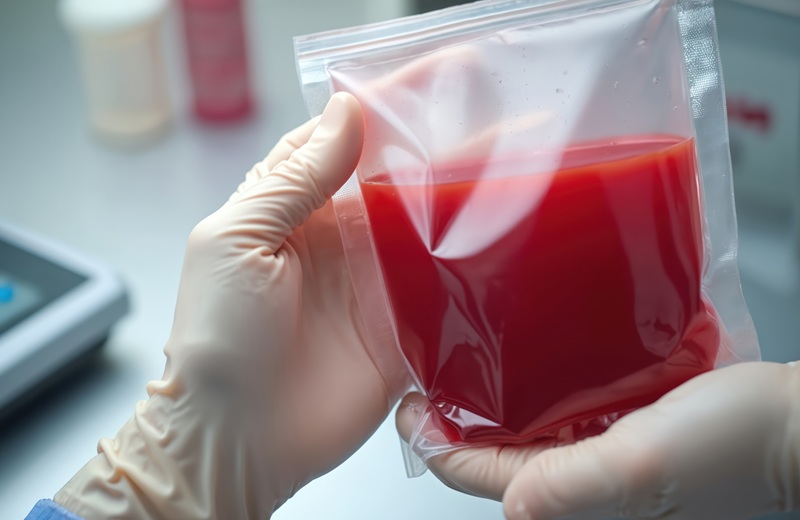
Table of Contents
- 1. What is Umbilical Cord Preservation?
- 2. What Makes the Umbilical Cord a Valuable Biological Resource?
- 3. Current and Emerging Uses of Stored Cord Blood and Cord Tissue
- 4. Why Umbilical Cord Preservation is a One-Time Opportunity
- 5. Umbilical Cord Preservation as a Long-Term Planning Decision
- 6. Factors Parents Should Consider Before Preserving the Umbilical Cord
- 7. Why Choose Cryoviva Life Sciences for Umbilical Cord Preservation?
- 8. Making an Informed Choice for the Future
- 9. Frequently Asked Questions
- 9.1. Q. What is umbilical cord preservation?
- 9.2. Q. Is umbilical cord preservation safe for mother and baby?
- 9.3. Q. Who can benefit from preserved cord blood or tissue?
- 9.4. Q. Does umbilical cord preservation guarantee future treatment?
- 9.5. Q. Is cord preservation necessary for every family?
- 9.6. Q. Can stored stem cells be used by other family members?
- 9.7. Q. How long can cord blood and tissue be stored?
- 9.8. Q. What are umbilical stem cells?
- 9.9. Q. Who can I speak to for guidance at Cryoviva Life Sciences?
Expecting a baby brings a series of thoughtful decisions - from decisions around delivery to preparing your home for the months ahead. Alongside these immediate choices, an increasing number of parents are now also considering decisions that relate to long-term health planning, such as umbilical cord preservation. Once viewed as a distant or futuristic concept, umbilical cord preservation is now a well-established medical practice. This article outlines the science behind umbilical cord preservation, its current medical relevance, and the factors families often consider when deciding whether preserving the umbilical cord aligns with their long-term plans.
What is Umbilical Cord Preservation?
Umbilical cord preservation refers to the process of collecting and storing cord blood or cord blood tissue from a baby’s umbilical cord immediately after birth. The umbilical cord, which supports a baby during pregnancy, contains blood and tissue that are naturally rich in cord stem cells.
After delivery, the remaining blood in the umbilical cord is collected as cord blood, while a small segment of the cord itself is preserved as cord tissue. These materials are typically discarded after birth, but preservation allows families to store them for potential future medical use involving cord blood and stem cells.
The collection process is simple, safe, and non-invasive. It takes place only after the baby is born and the umbilical cord has been cut, ensuring that it does not interfere with delivery or immediate newborn care. For parents, preserving the umbilical cord is a one-time opportunity that can be considered as part of thoughtful, long-term health planning.
Related : Stem Cell Preservation Cost in India: What Parents Need to Know
What Makes the Umbilical Cord a Valuable Biological Resource?
The umbilical cord is considered valuable due to the presence of stem cells that are naturally available only at the time of birth. These stem cells are found in two parts of the umbilical cord: the blood that remains in the cord after delivery and the cord tissue itself.
The stem cells preserved from the umbilical cord serve different biological roles:
- Haematopoietic stem cells, found in cord blood, are responsible for forming blood and immune system cells and are already used in approved medical treatments for certain blood and immune-related conditions.
- Mesenchymal stem cells, found in cord tissue, are associated with the support and repair of tissues such as bone, cartilage, and muscle and are currently being studied in medical research.
What makes cord blood and stem cells particularly significant is their relevance across both current medicine and future scientific study. Their established clinical use, combined with ongoing research into new applications, is why the umbilical cord continues to be viewed as a meaningful biological resource for long-term health planning.
Related : Difference between Peripheral Blood Stem Cells & Cord Blood
Current and Emerging Uses of Stored Cord Blood and Cord Tissue
Umbilical cord stem cells have a proven, advanced role in specific areas of medical care and are continually being studied through ongoing research. Their relevance depends on the type of stem cells preserved and how they are applied in different medical settings.
Current use and areas of research include:
- Use in blood-related conditions: Cord blood stem cells are used in approved medical treatments for certain blood cancers such as leukemia and lymphoma, where they help restore healthy blood cell production following intensive therapy.
- Role in inherited blood disorders: Conditions such as sickle cell disease and thalassemia, which affect normal hemoglobin production, have been treated using umbilical cord blood stem cells as part of established transplant procedures in appropriate cases.
- Applications in immune system disorders: Cord blood and stem cells are also used in treating certain inherited immune deficiencies, including severe combined immunodeficiency (SCID), where rebuilding immune function is medically required.
- Research in neurological conditions: Stem cells preserved from cord tissue are being studied in clinical research for conditions such as cerebral palsy and autism spectrum disorders, with investigations focused on understanding their potential biological effects.
- Exploration in regenerative medicine: Ongoing studies are examining whether cord tissue stem cells may have future applications in areas such as type 1 diabetes, stroke recovery, and heart-related conditions. These areas continue to be explored through research and are not part of routine clinical care.
Why Umbilical Cord Preservation is a One-Time Opportunity
Umbilical cord preservation is closely tied to the moment of birth. Once a baby is delivered, the umbilical cord and placenta complete their role and are usually discarded. After this point, cord blood and cord tissue can no longer be collected, making the decision time-specific and not something that can be revisited later.
For many parents, understanding the benefits of preserving the umbilical cord begins with recognizing that this decision can only be made once, at birth. Preservation does not require any immediate medical action, but it allows stored stem cells to remain available if they are ever needed in the future. This ability to keep options open is what makes umbilical cord preservation a unique, one-time consideration rather than an urgent medical choice.
Related : HLA Typing and its Role in Stem Cell Banking: A Comprehensive Guide
Umbilical Cord Preservation as a Long-Term Planning Decision
Umbilical cord preservation represents a proactive long-term planning decision for families, securing a personalized biological resource against future health uncertainties.
The long-term value of this decision lies in the following benefits:
- Access to a unique, personalized biological resource: Preserving cord blood and stem cells gives families access to a biological resource that is genetically unique to the child and cannot be collected or recreated later in life. This can be beneficial in situations where a closer biological match is important, reducing reliance on external donor sources.
- Retention of future medical options: One of the key benefits of preserving the umbilical cord is the ability to retain access to stem cells over time. As medical needs change and treatment approaches continue to develop, preservation allows families to keep certain options available for the future.
- Potential relevance for immediate family members: In specific medically appropriate situations, preserved umbilical cord blood stem cells may also be considered for use by siblings or close family members, subject to compatibility and clinical assessment. This broadens the potential value of preservation beyond a single individual.
Factors Parents Should Consider Before Preserving the Umbilical Cord
When exploring umbilical cord preservation, many parents find it helpful to look beyond the basic idea and understand how the service is delivered. Understanding these aspects can help bring clarity to the decision.
Key factors to consider:
- Scope of preservation: Umbilical cord preservation may involve storing cord blood, cord tissue, or both. Since each contains different types of stem cells, understanding what is included helps parents align preservation with their expectations around cord blood and stem cells and their potential use.
- Private versus public banking: Consider whether preservation is through private banking, where umbilical cord blood stem cells are stored for family use, or public banking, where the cells are donated for broader medical access. The difference lies mainly in availability and intended use.
- Quality of processing and storage: Ask about how cord blood stem cells are processed and preserved after collection. Laboratory practices, cryopreservation methods, and quality controls play a role in maintaining sample integrity over time.
- Long-term storage approach: Since preservation is intended for the future, it is worth understanding how umbilical cord stem cells are stored, monitored, and safeguarded over long periods, including systems in place to maintain consistent storage conditions.
- Accreditations and regulatory standards: Check whether the banking facility follows recognized national or international accreditations. This can provide reassurance around quality, safety, and compliance with established standards.
- Transparency and clarity of information: Look for clear explanations about what preservation can and cannot offer. Honest communication around umbilical cord preservation benefits helps avoid assumptions and supports informed decision-making.
- Guidance and long-term support: Consider whether the provider offers ongoing guidance and remains accessible over time. Since preservation is a long-term commitment, continuity and reliability are often important to parents planning ahead.
Related : The Power of Umbilical Cord Blood Banking for Future Health
Why Choose Cryoviva Life Sciences for Umbilical Cord Preservation?
When considering umbilical cord preservation, the quality of processing, storage standards, and long-term reliability of your chosen partner matter deeply. Cryoviva Life Sciences brings together decades of expertise in stem cell banking with a commitment to transparency, quality, and parent-focused care.
Key differentiating aspects include:
- Nationwide reach with centralized processing: Operating across more than 250 cities in India, Cryoviva combines local collection support with centralized processing and storage at its Gurugram facility. This model helps maintain consistent quality control while supporting families across locations.
- Comprehensive preservation packages: Cryoviva offers flexible options for preserving cord blood stem cells and cord tissue, allowing families to choose between cord blood banking alone or comprehensive preservation of both sources, depending on their planning preferences.
- Advanced processing technology: Cord blood samples are processed using internationally accepted, fully automated SEPAX technology, alongside advanced methods for cord tissue handling. This approach is designed to support optimal cell recovery and long-term preservation quality.
- Stringent quality standards and accreditations: Cryoviva’s facilities operate under rigorous quality benchmarks and hold accreditations including AABB, FDA registration, GMP certification, CAP accreditation, and ISO compliance, reflecting adherence to internationally recognized standards for handling cord blood and stem cells.
- Transparent, pressure-free guidance: Cryoviva emphasizes clear communication around umbilical cord blood stem cells preservation, including what the process involves and its limitations. This supports informed decision-making without urgency or pressure.
- Financial protection and support framework: Cryoviva’s packages include structured financial assistance provisions for families who may need to access preserved cells for approved treatments, along with quality warranties and disaster protection coverage.
Related : 8 Reasons to Choose Cryoviva Life Sciences for Stem Cell Preservation
Making an Informed Choice for the Future
Preserving your baby’s umbilical cord blood and tissue is a deeply personal and informed choice. For many families, it brings values such as trust, transparency, and long-term reliability into focus, especially when thinking about future health planning. Guided by these principles, Cryoviva Life Sciences works with families as a long-term preservation partner, offering clear information, robust standards, and thoughtful support at every stage. If you would like to explore this further, you can connect with Cryoviva Life Sciences at +91 9311042957, or write to [email protected] for pressure-free guidance.
Frequently Asked Questions
Q. What is umbilical cord preservation?
Umbilical cord preservation involves collecting and storing stem cells found in the cord blood and cord tissue at birth. These cells are cryopreserved for potential future medical use, as they can only be collected at this one-time moment.
Q. Is umbilical cord preservation safe for mother and baby?
Yes. Umbilical cord preservation is considered safe for both mother and baby. The collection takes place after birth, once the umbilical cord has been cut, and does not interfere with delivery or immediate newborn care.
Q. Who can benefit from preserved cord blood or tissue?
Preserved stem cells may be relevant for the child and, in certain medically appropriate situations, for close family members such as siblings. Their potential use depends on compatibility, the medical condition involved, and clinical advice.
Q. Does umbilical cord preservation guarantee future treatment?
No. Umbilical cord preservation does not guarantee future treatment. While some stem cell applications are established and others are being researched, preservation simply keeps the cells available if they are ever medically appropriate to use.
Q. Is cord preservation necessary for every family?
Cord preservation is not necessary for every family. It is a personal decision based on individual priorities, medical history, and long-term planning preferences. Some families choose it, while others decide it does not align with their needs.
Q. Can stored stem cells be used by other family members?
In some cases, stored stem cells may be considered for use by siblings or close family members. This depends on medical compatibility and clinical assessment, and not all preserved cells will be suitable for family-wide use.
Q. How long can cord blood and tissue be stored?
Cord blood and tissue can be stored for many years under controlled cryogenic conditions. Current evidence supports long-term storage when samples are maintained at appropriate temperatures with continuous monitoring.
Q. What are umbilical stem cells?
Umbilical stem cells refer to stem cells obtained from umbilical cord blood and cord tissue at birth. These include different cell types with distinct biological roles, some used in approved treatments and others studied in ongoing research.
Q. Who can I speak to for guidance at Cryoviva Life Sciences?
You can speak with Cryoviva Life Sciences for clear, pressure-free guidance. Our team can be reached at 1800-101-9587, +91 8130800211, or via email at [email protected].



 Enquiry
 Email
Email Phone
Phone
 Whatsapp