
Umbilical Cord Preservation: Benefits, Uses, and Cost in India

Table of Contents
- 1. Why is the Umbilical Cord Considered Valuable?
- 2. What is Umbilical Cord Preservation?
- 3. How Umbilical Cord Preservation Works: A Step-by-Step Process
- 4. The Cost of Umbilical Cord Preservation in India
- 5. Why Choose Cryoviva Life Sciences for Umbilical Cord Preservation?
- 6. Final Thoughts
- 7. Frequently Asked Questions
- 7.1. Q: Is umbilical cord preservation safe for both the mother and the baby?
- 7.2. Q: How long can preserved cord blood stem cells remain viable?
- 7.3. Q: Can banked cord blood be used for siblings as well?
- 7.4. Q: What is the difference between cord blood and cord tissue preservation?
- 7.5. Q: How do I find trusted umbilical cord preservation services near me?
- 7.6. Q: What happens if a family moves to another city or state after storing cord blood?
- 7.7. Q: Can preserved stem cells be accessed quickly in case they are needed?
- 7.8. Q: Are there any special steps parents need to follow on the day of delivery?
- 7.9. Q: What is included in a typical stem cell preservation plan?
- 7.10. Q: How early should parents register for umbilical cord preservation?
Welcoming a new baby brings excitement, curiosity, and many decisions that shape the child’s future. One choice that many parents in India are now considering is umbilical cord preservation - a simple and safe process that stores a newborn’s stem cells for potential medical use in the future. As families learn more about its long-term value, safety, and potential applications, cord blood and cord tissue banking are emerging as trusted options for thoughtful future planning. In this article, we will discuss why umbilical cord preservation is gaining interest among modern parents, the potential of cord blood stem cells, and the benefits and long-term value it may offer. But first, let’s understand the basics.
Why is the Umbilical Cord Considered Valuable?
The umbilical cord is much more than a connection between the mother and the baby during pregnancy. At birth, it contains rich biological material that holds long-term value for families. Inside the cord are two key components - cord blood and cord tissue - each containing important cells that may support certain approved medical treatments. Because these materials can only be collected once, many parents see the umbilical cord as a naturally valuable resource worth preserving. Here are some reasons why the umbilical cord is viewed as important:
- It carries blood that contains haematopoietic stem cells, which are responsible for forming and supporting the blood and immune system.
- The cord tissue contains mesenchymal stem cells, a different type of cell being actively studied for their potential role in repair, regeneration, and supportive therapies.
- These cells are collected at birth, when they are biologically young, show strong growth potential, and have not yet been exposed to ageing or environmental stress.
- The material inside the cord is pure, with minimal exposure to infections, ageing, or environmental factors.
- Once preserved, this resource remains stored under carefully controlled conditions, keeping it available for potential future use as science progresses and new clinical applications continue to be explored.
This makes the umbilical cord a one-time opportunity to save something that may hold meaningful long-term value for the child.
What is Umbilical Cord Preservation?
Umbilical cord preservation refers to the collection and storage of the blood and tissue from a newborn’s umbilical cord immediately after birth. These parts of the cord contain powerful cord blood stem cells and umbilical stem cells, which hold natural regenerative properties. The process is safe, quick, and completely non-invasive for both mother and baby, as the cord is collected only after delivery. During preservation, the cord blood and cord tissue are carefully processed and frozen at extremely low temperatures to maintain long-term viability. Many families choose this option because it offers a once-in-a-lifetime chance to store a unique biological resource that may support future medical possibilities.
Related: What is the Umbilical Cord? Benefits, Uses, and Importance
How Umbilical Cord Preservation Works: A Step-by-Step Process
Umbilical cord preservation is a simple process that takes place around the time of delivery. It ensures that the cord blood and cord tissue are collected safely, handled carefully, and stored under controlled conditions. Here is how the process typically works:
- Parents register for preservation during pregnancy and receive a specially designed collection kit.
- At the time of delivery, the medical team collects the umbilical cord blood and cord tissue after the baby is born. The collection is safe, quick, and completely painless.
- The samples are sealed and transported to the laboratory using temperature-controlled systems.
- At the lab, the cord blood and cord tissue are tested, processed, and prepared for long-term storage.
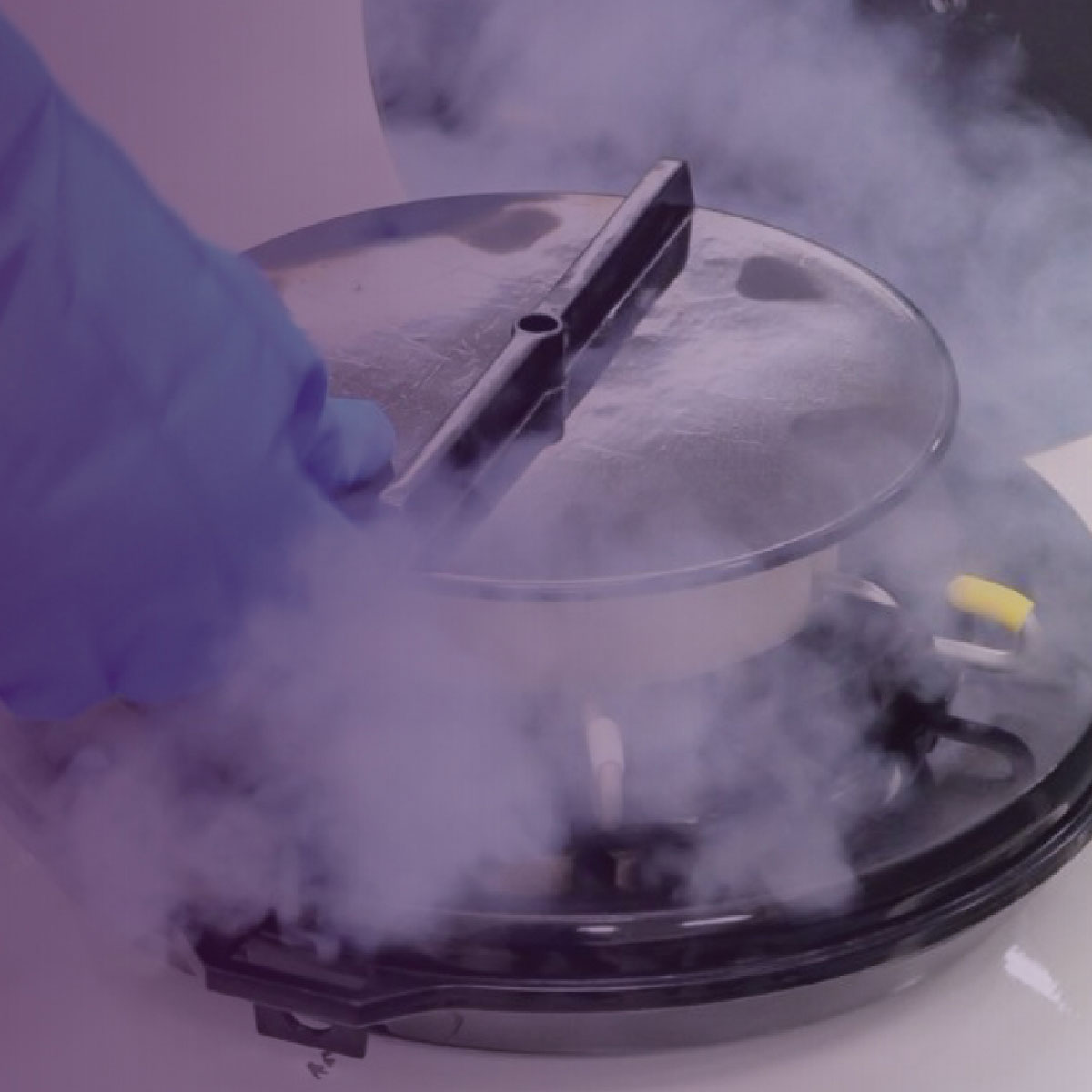
- The preserved stem cells are frozen at extremely low temperatures to maintain viability for many years.
- Families receive confirmation once the preservation process is completed.
Related Blog: FutureProtect Umbilical Cord Blood Collection Kit Box
The Cost of Umbilical Cord Preservation in India
The cost of preserving the umbilical cord in India varies depending on the type of preservation chosen and the level of stem-cell services included. To help parents understand what influences stem cell preservation cost, here are the key factors involved:
- Whether parents choose to store cord blood only or both cord blood and cord tissue.
- Inclusion of advanced services such as “mesenchymal stem cell (MSC)” expansion, which offers a larger number of mesenchymal stem cells.
- The quality of the laboratory, cryopreservation process, and long-term storage systems used.
- The duration of storage selected, such as multi-year or lifetime storage options.
- Additional services such as transportation, testing, and processing of the samples.
- The type of preservation plan chosen, as different plans offer different levels of stem-cell coverage.
- Any value-added services that enhance monitoring, reporting, or access for families.
Related: Stem Cell Preservation Cost in India: Everything You Need to Know
Why Choose Cryoviva Life Sciences for Umbilical Cord Preservation?
Cryoviva Life Sciences follows a quality-driven, scientifically guided process to ensure that every family receives safe, reliable, and long-term stem-cell preservation services. The focus remains on maintaining high standards of care from collection to storage. Here’s why more parents are choosing Cryoviva Life Sciences for umbilical cord preservation:
- A state-of-the-art laboratory equipped for advanced processing and long-term cryopreservation.
- Strict, globally aligned quality procedures that protect the integrity of cord blood and cord tissue samples.
- Trained specialists who handle each step of the preservation process with care and precision.
- Temperature-controlled logistics that ensure safe and timely transport from hospital to laboratory.
- Comprehensive testing and processing protocols that maintain the viability of stem cells.
- Long-term storage systems designed to preserve newborn stem cells for potential future use.
- A parent-first support team that guides families through registration, collection, preservation, and after-care.
Related: Facts About Private Cord Blood Banking
Final Thoughts
Preserving the umbilical cord is a thoughtful decision many families make to safeguard their child’s long-term health possibilities. By storing valuable newborn stem cells at birth, parents ensure that a one-time biological resource is safely preserved for potential future use as medical science continues to advance. Cryoviva Life Sciences walks with families through every step of this journey, offering advanced preservation systems, careful laboratory processes, and dedicated support from registration to long-term storage. To learn more, request guidance, or understand the preservation process in detail, contact Cryoviva Life Sciences at 1800-101-9587 or +91 8130800211, or write to us at [email protected]
Frequently Asked Questions
Q: Is umbilical cord preservation safe for both the mother and the baby?
Yes, it is completely safe. The cord blood and cord tissue are collected only after the baby is delivered and the cord is clamped, so it does not interfere with childbirth in any way.
Q: How long can preserved cord blood stem cells remain viable?
When stored under controlled cryogenic conditions, cord blood stem cells can remain viable for many years. Long-term studies continue to support their durability in frozen storage.
Q: Can banked cord blood be used for siblings as well?
In some cases, siblings may be a suitable match, but this depends on genetic compatibility. Families often store cord blood because it may offer an additional option if a matched donor is required later.
Q: What is the difference between cord blood and cord tissue preservation?
Cord blood contains stem cells that support the blood and immune system, while cord tissue contains mesenchymal stem cells that are being studied for their role in repair and regeneration. Storing both provides a broader range of newborn stem cells.
Q: How do I find trusted umbilical cord preservation services near me?
Families usually search for accredited stem cell preservation providers near me or near their maternity hospital. Cryoviva Life Sciences offers nationwide services, making it accessible to parents across India.
Q: What happens if a family moves to another city or state after storing cord blood?
Cryoviva Life Sciences continues to store the preserved sample safely, regardless of the family’s location. Families can contact the support team at any time to update their details or request assistance.
Q: Can preserved stem cells be accessed quickly in case they are needed?
Yes, once stored, the stem cells are readily available and can be retrieved through a formal request and processing protocol.
Q: Are there any special steps parents need to follow on the day of delivery?
Parents only need to keep the Cryoviva Life Sciences collection kit ready and inform the delivery team. The healthcare staff and Cryoviva professionals manage the rest of the process.
Q: What is included in a typical stem cell preservation plan?
Most plans include collection, testing, processing, cryopreservation, and long-term storage. Some also include advanced services such as MSC expansion.
Q: How early should parents register for umbilical cord preservation?
Parents can register at any time during pregnancy, but many choose to do so by the second or early third trimester to ensure a smooth process on the day of delivery.

.jpg)
.jpg)

 Enquiry
 Email
Email Phone
Phone
 Whatsapp