
HLA Typing and its Role in Stem Cell Banking: A Comprehensive Guide
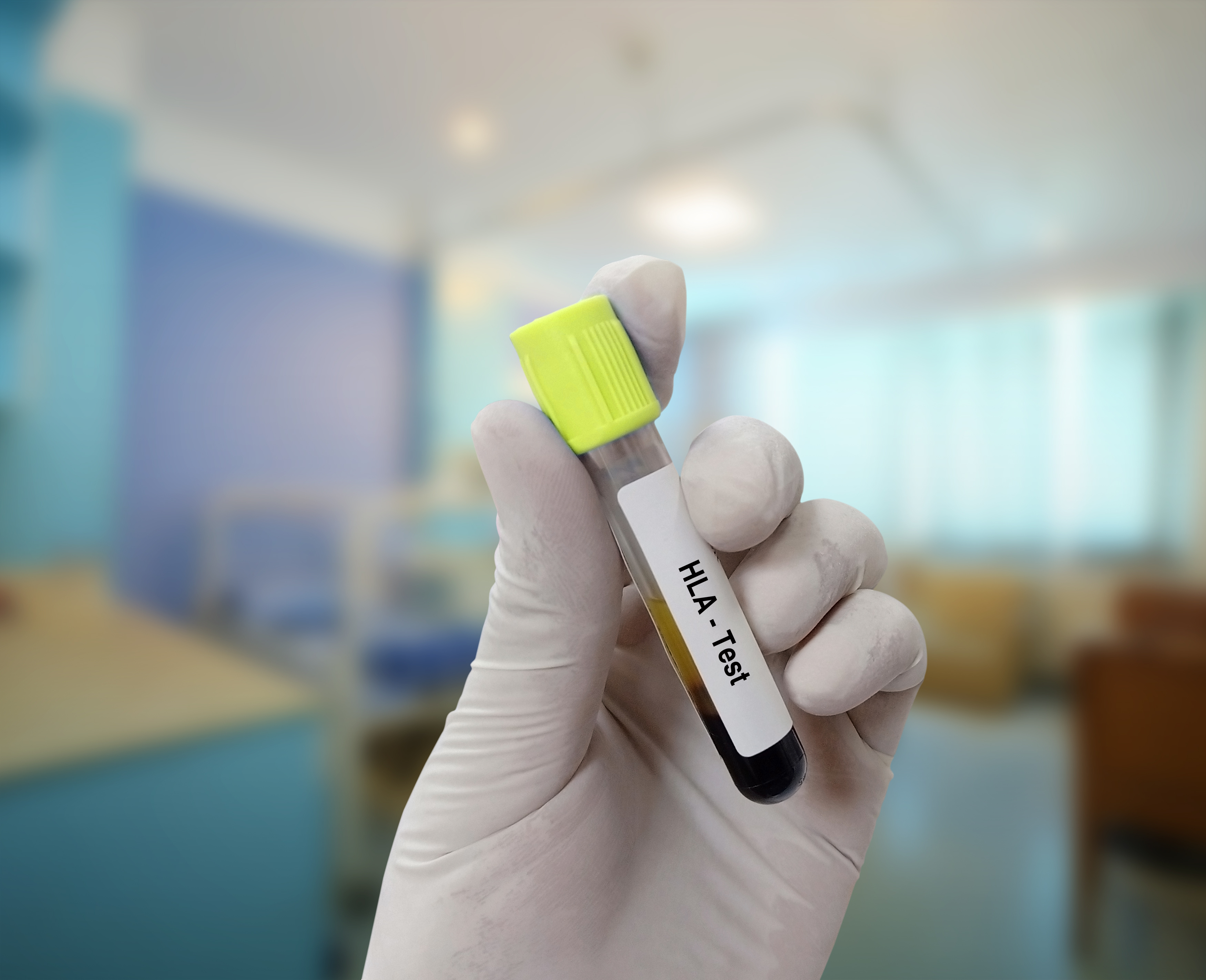
Table of Contents
- 1. Understanding the HLA System
- 2. What is HLA Typing
- 3. The Role of HLA Typing in Stem Cell Banking
- 4. What to Expect If You Choose HLA Typing
- 4.1. Step 1: Sample Collection
- 4.2. Step 2: Laboratory Analysis
- 4.3. Step 3: Verification and Quality Control
- 4.4. Step 4: Documentation and Secure Storage
- 5. Result Interpretation: What "6/6 Match" or "10/10 Match" Really Means
- 6. Stages at Which HLA Typing is Performed
- 6.1. 1. Before Cord Blood or Tissue Banking
- 6.2. 2. During the Stem Cell Collection Process
- 6.3. 3. After Stem Cell Banking (Optional Add-On)
- 7. Making an Informed Choice
- 8. Frequently Asked Questions
- 8.1. Q. How long does HLA typing take to get results?
- 8.2. Q. Is HLA typing mandatory for stem cell banking?
- 8.3. Q. Can HLA typing be done for both cord blood and cord tissue?
- 8.4. Q. Does HLA typing affect the stem cells being stored?
- 8.5. Q. Are HLA typing results permanent?
- 8.6. Q. Can the same HLA typing results be used for multiple types of transplants?
- 8.7. Q. Do adults have the option for HLA typing as part of stem cell preservation?
Cord blood banking, tissue banking, and even adult stem cell preservation are choices that could one day prove invaluable for individuals or their families. However, many people don't realise that the success of stem cell treatments often depends on something called HLA typing. What HLA typing is, when it matters, and how it relates to stem cell banking are questions that deserve clear answers. To help individuals and families make informed decisions for their future, this article explores the connection between HLA typing and stem cell preservation.
Understanding the HLA System
The Human Leukocyte Antigen system, commonly referred to as HLA, helps the immune system recognise what belongs to the body and what does not. These antigens are proteins present on the surface of most cells and play a role in immune response during transplantation. HLA markers are inherited, which means family members may share similarities, though exact matches are not always present.
What is HLA Typing
HLA typing is a genetic test that identifies and records an individual’s specific HLA markers. The test analyses selected genes from a biological sample to create a documented HLA profile that can be referenced if stem cells are considered for clinical use later.
The test is carried out using a blood or tissue sample and processed in an accredited laboratory. The results are stored alongside the preserved stem cells, ensuring that compatibility information is readily available when required. In stem cell banking, HLA typing supports preparedness by reducing uncertainty and delays during future treatment planning.
The Role of HLA Typing in Stem Cell Banking
HLA typing serves as the compatibility checkpoint for successful stem cell transplantation. When families bank stem cells, whether cord blood from a newborn or adult stem cells, the usefulness of these stored units often depends on HLA compatibility between donor and recipient.
By identifying compatibility markers early, HLA typing helps families and clinicians understand how the preserved stem cells might interact with the immune system if they are used in treatment later. This information can guide decisions in urgent or complex medical scenarios and support faster, more confident clinical evaluation.
HLA typing also provides a level of preparedness. In cases where a transplant becomes necessary, having the HLA profile on record eliminates the need for additional testing, saving valuable time.
Read Also: Understanding Baby Stem Cells and Their Lifelong Benefits
What to Expect If You Choose HLA Typing
The HLA typing is designed to be thorough, accurate, and seamlessly integrated into the stem cell preservation workflow. The procedure can be broken down into several key steps
Step 1: Sample Collection
The first step involves collecting a biological sample, most commonly blood or tissue. The procedure is minimally invasive and performed under standard medical protocols to ensure the sample remains uncontaminated. Timing is coordinated with stem cell collection to avoid extra visits or delays. Proper labelling and handling at this stage are crucial for maintaining the integrity of the sample.
Step 2: Laboratory Analysis
Once collected, the sample is sent to an accredited laboratory for testing. Advanced genetic techniques are used to identify the individual’s specific HLA markers. These tests are precise and designed to capture the most clinically relevant markers that will determine potential compatibility in future stem cell applications.
Step 3: Verification and Quality Control
After analysis, results go through strict verification and quality control procedures. Multiple checks confirm that the identified markers are consistent and reliable. This step is critical because the accuracy of the HLA profile affects future treatment decisions. Accredited laboratories follow international standards to ensure results are dependable.
Step 4: Documentation and Secure Storage
Once verified, the HLA profile is documented and securely stored alongside the preserved stem cells. Secure digital and physical records ensure the information is traceable, protected, and easily retrievable when required. This guarantees that compatibility information is preserved over the long term, adding significant value to the banked stem cells.
Result Interpretation: What "6/6 Match" or "10/10 Match" Really Means
When discussing stem cell transplants, you might hear terms such as “6/6 match” or “10/10 match.” These numbers refer to how closely a donor and recipient’s HLA markers align. Essentially, they indicate the level of compatibility: a higher match means the immune system is less likely to react against transplanted cells.
A “6/6 match” means all six key HLA markers tested are identical between the donor and recipient, while a “10/10 match” shows a complete match across ten critical markers. Perfect matches are ideal because they significantly reduce the risk of complications such as graft-versus-host disease. Even partial matches can be used, though the risk of immune reactions may be higher.
Stages at Which HLA Typing is Performed
HLA typing is an optional but valuable part of stem cell banking. It can be requested at different points depending on the family’s preference and the type of stem cell being preserved:
1. Before Cord Blood or Tissue Banking
Families can choose to perform HLA typing even before stem cells are collected. This early testing allows the bank to have compatibility information ready as soon as the cells are preserved. It also ensures that the HLA profile is linked to the individual from the start, making the stem cells more clinically useful in the future.
2. During the Stem Cell Collection Process
In many cases, HLA typing is conducted simultaneously with the collection of cord blood tissue, or other stem cells. The biological sample for typing is taken alongside the stem cell sample, which avoids additional procedures. This timing is convenient and ensures that the preserved cells are accompanied by accurate compatibility data.
3. After Stem Cell Banking (Optional Add-On)
Some families may choose to perform HLA typing after the stem cells have been stored. While this is possible, performing the test earlier is generally preferred. Early typing ensures that the HLA information is available immediately if a transplant or therapeutic use is considered, reducing delays and uncertainty later.
Read Also: Affordable Stem Cell Banking Service in Delhi
Making an Informed Choice
HLA typing may seem like a complex scientific concept, but its role in stem cell transplantation is straightforward: it determines compatibility and significantly impacts treatment outcomes. By planning ahead and opting for HLA typing, you can ensure that the stored stem cells are prepared for potential therapeutic use, giving you confidence and clarity about the long-term benefits of stem cell preservation. To learn more about incorporating HLA typing into your stem cell banking plan, or to discuss the best options for your family, reach out to Cryoviva Life Sciences. Our team is ready to provide guidance and answer any questions you may have. Contact Cryoviva Life Sciences at 1800 101 9587 or (+91) 81308 00211, or email us at [email protected].
Frequently Asked Questions
Q. How long does HLA typing take to get results?
The time required for HLA typing depends on the testing method and laboratory protocols. Typically, results can be available within a few days to a couple of weeks, ensuring that the data is ready alongside the stem cell preservation process.
Q. Is HLA typing mandatory for stem cell banking?
HLA typing is optional and can be chosen based on individual preferences or anticipated medical needs. While it is not required for all types of banking, it adds an extra layer of preparedness for potential future therapeutic use.
Q. Can HLA typing be done for both cord blood and cord tissue?
Yes. HLA typing can be performed for both cord blood and cord tissue samples, as long as a suitable biological sample is available. The process and accuracy remain consistent across sample types.
Q. Does HLA typing affect the stem cells being stored?
No. HLA typing is performed on a small sample and does not interfere with the quality or quantity of the stem cells being preserved. The testing process is designed to be completely safe for the stored material.
Q. Are HLA typing results permanent?
Yes. Once the HLA markers are identified and documented, the results remain valid for a lifetime. They are stored securely alongside the preserved stem cells for future reference if needed.
Q. Can the same HLA typing results be used for multiple types of transplants?
HLA typing results provide a genetic profile that can be referenced for different transplant scenarios. The same profile can guide compatibility assessments for a variety of stem cell or tissue-based therapies.
Q. Do adults have the option for HLA typing as part of stem cell preservation?
Yes. Adults who are preserving their own stem cells can choose HLA typing, which can be helpful if future therapies or donations are considered.

.jpg)
.jpg)
 Enquiry
 Email
Email Phone
Phone
 Whatsapp