
Pregnancy Diet: Foods to Eat and Avoid
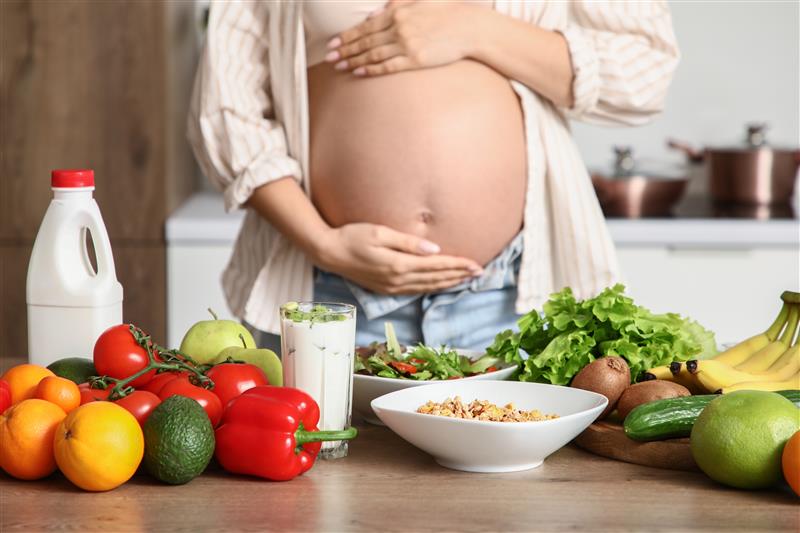
Table of Contents
- 1. Essential Nutrients for a Healthy Pregnancy
- 1.1. 1. Folic Acid (Folate)
- 1.2. 2. Iron
- 1.3. 3. Calcium
- 1.4. 4. Protein
- 1.5. 5. Omega-3 Fatty Acids (DHA)
- 1.6. 6. Vitamin D
- 1.7. 7. Vitamin B12
- 1.8. 8. Vitamin C
- 2. What to Eat: Foods to Include in Your Pregnancy Diet Plan
- 3. What to Avoid: Foods to Stay Away From During Pregnancy
- 4. Sample Pregnancy Diet Chart
- 5. Invest in Your Baby’s Health Beyond Pregnancy Diet
- 6. Frequently Asked Questions
- 6.1. Q. Can I follow a vegetarian or vegan diet during pregnancy?
- 6.2. Q. Are there any foods that can help reduce morning sickness?
- 6.3. Q. How often should I eat during pregnancy?
- 6.4. Q. Is it safe to eat out or order takeout while pregnant?
- 6.5. Q. Can certain foods affect my baby’s taste preferences?
- 6.6. Q. Should I adjust my diet if I have gestational diabetes?
- 6.7. Q. How can I make sure I am getting enough water?
- 6.8. Q. Are there snacks that are particularly beneficial during pregnancy?
Pregnancy is probably the most transformative journey in a woman’s life, calling for special care and considerations. Among other factors, the diet followed during these nine months plays an important role in supporting both the mother’s health and the baby’s development. But with advice coming from many sources, it is easy to feel confused about which foods are helpful and which ones are better avoided. To help clear the confusion, in this blog, we’ll look at what to eat during pregnancy and what to avoid, along with a sample diet chart.
Let’s start with understanding the nutrients required during pregnancy.
Essential Nutrients for a Healthy Pregnancy
Nutritional needs increase significantly during pregnancy to support the baby's rapid growth and development. Key nutrients that are especially important during pregnancy include:
1. Folic Acid (Folate)
Folic acid is perhaps the most critical nutrient during early pregnancy. It plays a vital role in preventing neural tube defects, which affect the baby's brain and spine development. Pregnant women need about 600 micrograms daily, which is why doctors recommend starting folic acid supplements even before conception. Leafy greens, citrus fruits, beans, and fortified cereals are excellent natural sources.
Related: The Essential Pregnancy Food Chart: A Guide for Expecting Parents
2. Iron
Blood volume increases by nearly 50% during pregnancy, making iron essential for producing hemoglobin that carries oxygen to the baby. Pregnant women need about 27 milligrams of iron daily. Without adequate iron, there's a risk of anemia, which can lead to fatigue, weakness, and complications during delivery. Red meat, poultry, fish, lentils, spinach, and iron-fortified cereals help meet this increased requirement.
3. Calcium
Babies need calcium to build strong bones and teeth, and without sufficient intake, the body will draw from the mother's bone reserves. The recommended amount is 1,000 milligrams daily through milk, yogurt, cheese, fortified plant-based milk, tofu, and leafy greens. Calcium also supports healthy heart rhythm, nerve function, and muscle development.
4. Protein
Protein is the building block for the baby's cells, tissues, and organs. During the second and third trimesters especially, protein needs increase to about 75-100 grams per day. Quality sources include lean meats, poultry, fish, eggs, dairy products, beans, lentils, nuts, and seeds. Protein also helps the body produce the extra blood needed during pregnancy.
5. Omega-3 Fatty Acids (DHA)
DHA, a type of omega-3 fatty acid, is crucial for the baby's brain and eye development, particularly during the third trimester. Fatty fish like salmon and sardines are excellent sources, but for those concerned about mercury, walnuts, flaxseeds, chia seeds, or a pregnancy-safe DHA supplement are good alternatives.
6. Vitamin D
Vitamin D helps the body absorb calcium and supports the baby's bone development and immune system. Many pregnant women are deficient in vitamin D, so aiming for 600 IU daily through fortified milk, fatty fish, egg yolks, and sensible sun exposure is important. Doctors may recommend a supplement if levels are low.
7. Vitamin B12
Essential for nervous system development and red blood cell formation, vitamin B12 becomes especially important during pregnancy. The requirement is about 2.6 micrograms daily, found primarily in animal products like meat, fish, eggs, and dairy. For those following a vegetarian or vegan diet, supplementation is typically necessary.
8. Vitamin C
This powerful antioxidant helps the body absorb iron and supports tissue repair and wound healing. It's also vital for the baby's bone and cartilage development. The recommended intake is 85 milligrams daily through citrus fruits, strawberries, bell peppers, tomatoes, and broccoli.
Meeting these nutritional needs doesn't require perfection at every meal. Focusing on a varied, colorful diet with whole foods, and working with a healthcare provider to determine if prenatal vitamins or specific supplements are necessary, ensures optimal nutrition.
Related: Diet Chart for Pregnant Women
What to Eat: Foods to Include in Your Pregnancy Diet Plan
A pregnancy diet should focus on foods that provide essential nutrients needed to support the mother’s health and the baby’s growth. Including a variety of nutrient-rich foods ensures the body gets the right balance of vitamins, minerals, protein, and fibre throughout the nine months.
- Fruits and Vegetables: Fresh fruits and vegetables are rich in vitamins, minerals, and fibre. Leafy greens like spinach and fenugreek provide folate and iron, while colourful fruits such as oranges, papaya, and berries offer vitamin C and antioxidants.
- Whole Grains: Foods like brown rice, whole wheat, oats, and millets provide complex carbohydrates and fibre, helping maintain energy levels and supporting digestion.
- Protein-Rich Foods: Protein supports the growth of the baby’s tissues and organs. Good sources include lentils, beans, chickpeas, eggs, dairy products, and lean meats. Nuts and seeds are also excellent plant-based options.
- Dairy Products: Milk, curd, and paneer provide calcium and vitamin D, which are essential for the development of the baby’s bones and teeth and for maintaining maternal bone health.
- Healthy Fats: Include sources of healthy fats such as avocado, nuts, seeds, and vegetable oils. These fats support brain development in the baby and provide sustained energy for the mother.
- Iron-Rich Foods: Iron is crucial to prevent anaemia and support blood production. Include green leafy vegetables, pulses, fortified cereals, and dried fruits. Pairing iron-rich plant foods with vitamin C sources like citrus fruits helps improve absorption.
- Hydrating Fluids: Staying hydrated is important during pregnancy. Water should be the primary source of hydration, but milk and fresh fruit juices can also contribute.
Including these foods regularly can help meet the increased nutritional needs during pregnancy, maintain energy levels, and support the healthy growth and development of the baby.
Related: 1 to 3 Month Pregnancy Diet Chart: Early Nutrition Guide for Expecting Mothers
What to Avoid: Foods to Stay Away From During Pregnancy
While a balanced diet is important, it is equally essential to avoid certain foods that can pose risks to the mother or the baby. Steering clear of these foods helps reduce the risk of infections, digestive issues, and other complications during pregnancy.
- Raw or Undercooked Foods: Raw fish, undercooked meat, and eggs can carry bacteria or parasites that may harm the baby or cause foodborne illnesses in the mother.
- Unpasteurised Dairy Products: Avoid unpasteurised milk, cheese, or other dairy items, as they can contain harmful bacteria such as listeria.
- High-Mercury Fish: Certain fish like shark, swordfish, king mackerel, and tilefish contain high levels of mercury, which can affect fetal brain development.
- Processed and Junk Foods: Foods high in sugar, salt, and unhealthy fats can lead to excessive weight gain and affect blood sugar and blood pressure levels.
- Alcohol: Alcohol consumption during pregnancy can cause serious complications, including developmental delays and birth defects in the baby.
- Excess Caffeine: High caffeine intake can increase the risk of low birth weight or miscarriage. Limit tea, coffee, and caffeinated drinks to safe amounts recommended by a healthcare provider.
- Certain Herbal Supplements or Unverified Remedies: Some herbs and supplements may not be safe during pregnancy. Always consult a doctor before taking anything beyond a normal prenatal supplement.
Avoiding these foods can significantly support a safer and healthier pregnancy while reducing potential risks for the baby.
Related: The Best Stem Cell Bank in India for Newborns
Sample Pregnancy Diet Chart
Making a structured diet chart for pregnant women makes it easier to include all the essential nutrients. Whether you're following a 1 to 3 month pregnancy diet chart focused on managing early pregnancy symptoms or a 5 month pregnancy diet plan that addresses increased calorie needs, having a clear meal structure helps ensure balanced nutrition. The table below provides a sample pregnancy diet chart with suggested meals and snacks to support both the mother’s health and the baby’s growth.
|
Time |
Food Suggestions |
|
Morning |
Warm water or lemon water; oatmeal/whole-grain porridge with fresh fruits and nuts; milk or dairy alternative |
|
Mid-Morning Snack |
Handful of nuts and seeds (almonds, walnuts); fresh fruit (apple, banana) |
|
Lunch |
Cooked vegetables (spinach, carrots, beans); whole grains (brown rice, chapati, quinoa); protein source (lentils, beans, paneer, lean meat); small bowl of curd |
|
Afternoon Snack |
Fresh fruit smoothie or buttermilk; roasted chickpeas or a handful of seeds |
|
Evening Snack |
Vegetable sticks with hummus; light whole-grain sandwich; herbal tea or milk |
|
Dinner |
Lightly cooked vegetables; lean protein (fish, chicken, paneer, lentils); whole-grain chapati or rice; small bowl of salad |
|
Before Bed |
Warm milk or milk alternative; few soaked almonds or walnuts |
Invest in Your Baby’s Health Beyond Pregnancy Diet
Following a pregnancy diet plan is one of the most important ways you're investing in your baby's health and development. Another significant health investment to consider is cord blood banking. Just as the right diet supports growth during pregnancy, stem cells from umbilical cord blood can be collected at birth and stored for potential use in treating certain medical conditions in the future, if needed. At Cryoviva Life Sciences, India's leading stem cell banking company, cord blood and tissue are professionally collected at birth and stored under optimal conditions for potential future use. For assistance or questions about cord blood banking, contact Cryoviva Life Sciences at 1800 101 9587 or (+91) 8130800211. You can also email us at [email protected] and our team will be happy to answer all your questions about cord blood banking.
Frequently Asked Questions
Q. Can I follow a vegetarian or vegan diet during pregnancy?
Yes, it is possible to follow a vegetarian or vegan diet with careful planning. Focus on including plant-based proteins, calcium-rich foods, iron sources, and vitamin B12 through fortified foods or supplements as recommended by a doctor.
Q. Are there any foods that can help reduce morning sickness?
Some foods like dry toast, crackers, ginger tea, and small frequent meals may help ease nausea. Cold or bland foods are often easier to tolerate in the first trimester.
Q. How often should I eat during pregnancy?
Eating smaller, frequent meals throughout the day can help maintain energy levels, prevent nausea, and support steady blood sugar. A typical schedule includes three main meals and two to three healthy snacks.
Q. Is it safe to eat out or order takeout while pregnant?
Eating out can be safe if precautions are taken. Avoid raw or undercooked foods, choose freshly cooked meals, and check that ingredients are hygienically prepared.
Q. Can certain foods affect my baby’s taste preferences?
Yes, flavours from the foods eaten during pregnancy can be transmitted through amniotic fluid. Including a variety of fruits, vegetables, and mild spices in your diet chart during pregnancy may help introduce different tastes early on.
Q. Should I adjust my diet if I have gestational diabetes?
Yes, special guidance from a healthcare professional is important. Managing carbohydrate intake, focusing on high-fibre foods, and monitoring blood sugar levels are key in such cases.
Q. How can I make sure I am getting enough water?
Aim to sip water consistently throughout the day. Including soups, milk, and fresh fruit juices can also contribute to hydration, but water should remain the primary source.
Q. Are there snacks that are particularly beneficial during pregnancy?
Healthy snacks like nuts, seeds, fresh fruit, yoghurt, and roasted legumes provide protein, fibre, and essential nutrients while keeping energy levels steady.



 Enquiry
 Email
Email Phone
Phone
 Whatsapp