
Morning Sickness During Pregnancy? Try These Diet and Lifestyle Tips
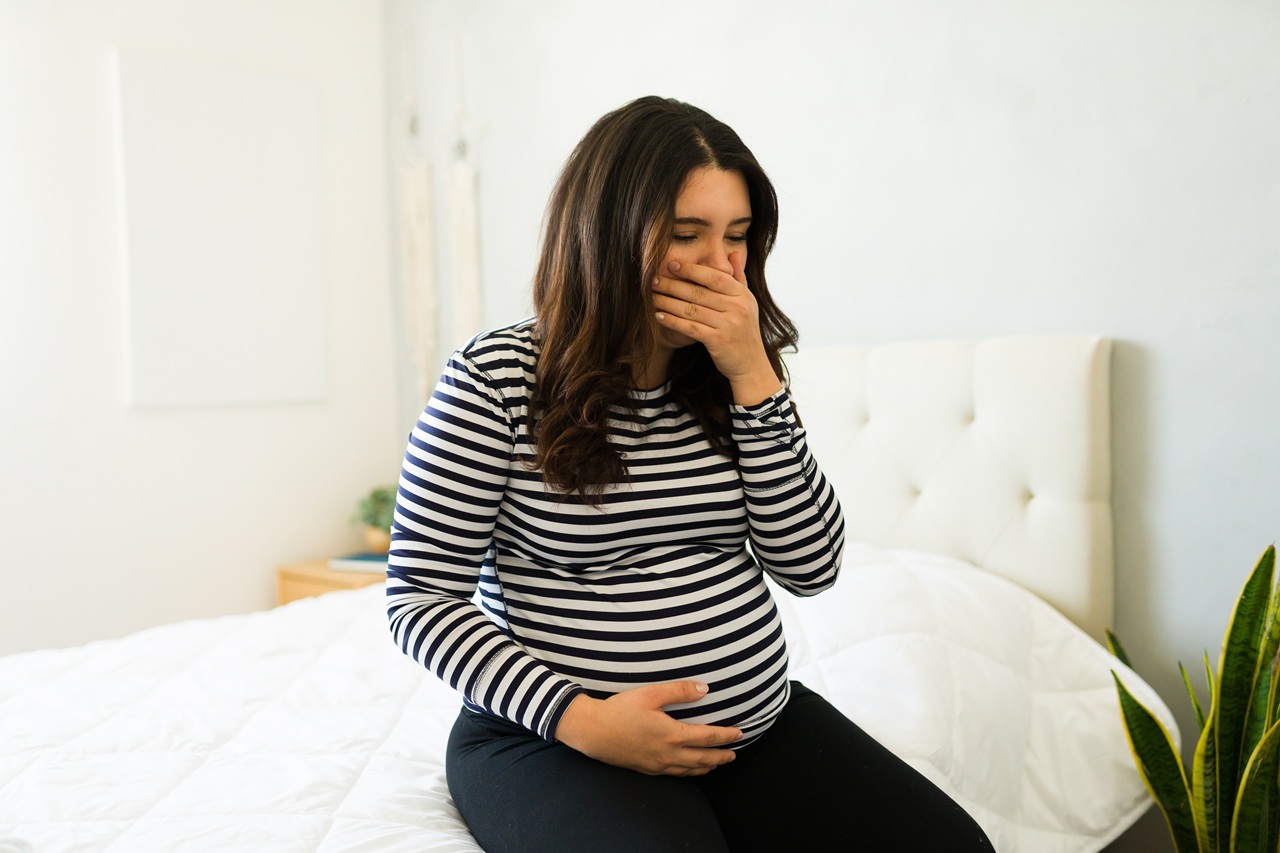
Table of Contents
- 1. What Causes Morning Sickness During Pregnancy?
- 2. Diet Tips to Help Reduce Morning Sickness
- 2.1. 1. Eat Small, Frequent Meals
- 2.2. 2. Choose Mild, Easy-to-Digest Foods
- 2.3. 3. Opt for Cold or Room-Temperature Foods
- 2.4. 4. Stay Hydrated
- 2.5. 5. Include Ginger in the Diet
- 2.6. 6. Add Vitamin B6-Rich Foods
- 2.7. 7. Avoid Trigger Foods and Strong Flavours
- 3. Lifestyle Adjustments That Can Help Ease Morning Sickness
- 3.1. 1. Prioritise Rest and Sleep
- 3.2. 2. Get Fresh Air Regularly
- 3.3. 3. Practice Gentle Movement
- 3.4. 4. Manage Stress and Practice Relaxation
- 3.5. 5. Time Your Prenatal Vitamins Wisely
- 3.6. 6. Stay Cool and Comfortable
- 4. Supplements and Alternative Therapies That May Help
- 4.1. Vitamin B6 Supplements
- 4.2. Ginger Supplements
- 4.3. Vitamin B12
- 4.4. Acupuncture
- 4.5. Aromatherapy
- 4.6. Herbal Teas
- 5. A Note for Mothers-To-Be
- 6. Frequently Asked Questions
- 6.1. Q.Can morning sickness affect the baby?
- 6.2. Q.Is morning sickness worse with a first pregnancy?
- 6.3. Q.Does morning sickness get worse at night?
- 6.4. Q.What week is morning sickness usually the worst?
- 6.5. Q.Can dehydration make morning sickness worse?
- 6.6. Q.Are there any smells that commonly trigger morning sickness?
- 6.7. Q.Is morning sickness more common with baby girls?
- 6.8. Q.Can morning sickness return after it has gone away?
- 6.9. Q.Does morning sickness mean a healthy pregnancy?
Morning sickness is one of the most common challenges faced by expectant mothers. Despite the name, the nausea can strike at any time of day. Though for most women, morning sickness begins around the 6th week of pregnancy and can last well into the second trimester. The good news is, there are many things one can do that can help manage nausea and make you feel more comfortable during this challenging phase. In this guide, we'll explore some diet tips and lifestyle adjustments that have helped countless pregnant women navigate morning sickness. Let's start by understanding the cause of the problem.
What Causes Morning Sickness During Pregnancy?
Morning sickness develops due to several changes that take place in early pregnancy including:
- Hormonal changes: Rising levels of hCG and oestrogen during early pregnancy can affect the part of the brain that controls nausea. These shifts often make the stomach feel unsettled and increase sensitivity during the first few weeks.
- Slower digestion: Pregnancy naturally slows the movement of food through the digestive system. Food remains in the stomach for a longer time, which can lead to a feeling of heaviness, queasiness, or discomfort after meals.
- Sensitivity to odours: Ordinary smells from cooking, perfumes, or even everyday household products may feel unusually strong. This heightened sense of smell can trigger nausea quickly, even from scents that were previously unnoticed.
- Fatigue and stress: Early pregnancy often brings tiredness, and an exhausted body reacts more strongly to nausea. Emotional changes and stress can amplify these sensations and make the symptoms harder to ignore.
Also Read: How to Deal with Morning Sickness in Pregnancy?
Diet Tips to Help Reduce Morning Sickness
Certain dietary habits can help reduce nausea and vomiting during pregnancy. The following tips can be tried to ease morning sickness and make eating less uncomfortable:
1. Eat Small, Frequent Meals
An empty stomach can trigger waves of nausea, while very large meals can overwhelm digestion and worsen queasiness. Eating small portions every two to three hours keeps the stomach from becoming too empty or too full. Frequent meals also help stabilise blood sugar levels, which can reduce sudden bouts of nausea.
A light snack first thing in the morning, such as a few plain crackers or a slice of toast, can particularly ease early morning nausea and make the body more receptive to other foods.
2. Choose Mild, Easy-to-Digest Foods
Certain foods are less likely to irritate the stomach and more likely to settle queasiness. Plain food options such oats, rice, bananas, toast, and yoghurt are easy to digest and provide steady nourishment without overwhelming the digestive system. These foods also help prevent sudden nausea caused by strong flavours, heavy spices, or greasy textures. Including mild, nutrient-rich foods throughout the day can reduce both the frequency and intensity of morning sickness episodes.
3. Opt for Cold or Room-Temperature Foods
Hot meals release stronger aromas, which often trigger nausea in early pregnancy. Cold or room-temperature foods, such as chilled fruits, salads, yoghurt, or lightly cooked vegetables, reduce exposure to these strong smells while still providing essential nutrients. These foods are easier to tolerate and can help maintain steady intake, even on days when nausea is more intense.
4. Stay Hydrated
Dehydration can worsen nausea, but drinking large amounts of fluid at once may trigger throwing up during pregnancy. Sipping water, coconut water, or clear broths in small, frequent amounts helps maintain hydration without upsetting the stomach. Taking fluids between meals rather than during meals further reduces the risk of morning sickness in pregnancy.
5. Include Ginger in the Diet
Ginger has natural anti-nausea properties and can help calm the stomach. Drinking ginger tea, ginger-infused water, or adding small amounts of fresh ginger to meals may reduce the severity of nausea and vomiting. Ginger works by relaxing the digestive tract and easing the queasy sensation that is common during early pregnancy.
6. Add Vitamin B6-Rich Foods
Vitamin B6 helps regulate certain body processes linked to nausea. Including foods like bananas, nuts, fortified cereals, and whole grains can reduce the intensity and frequency of morning sickness for many women. Regular intake of these foods can be particularly helpful in the first trimester, when nausea tends to peak.
7. Avoid Trigger Foods and Strong Flavours
Strongly spiced, fried, or heavily flavoured foods often worsen nausea. Similarly, strong cooking smells or certain textures can provoke queasiness. Identifying personal triggers and choosing milder alternatives can prevent nausea episodes and make it easier to maintain adequate nutrition throughout the day.
Also Read: Symptoms of Early Pregnancy
Lifestyle Adjustments That Can Help Ease Morning Sickness
Along with diet, certain daily habits can help reduce nausea and make morning sickness easier to manage. These include:
1. Prioritise Rest and Sleep
Early weeks of pregnancy can be exhausting and fatigue can make nausea so much worse. Listen to your body when it's asking for rest. Take short naps during the day if possible, go to bed earlier than usual, and don't feel guilty about slowing down. Your body is working overtime right now, and adequate rest can genuinely help reduce the intensity of morning sickness.
2. Get Fresh Air Regularly
Stuffy rooms and stale air can intensify nausea. Open windows whenever you can, take gentle walks outside, or simply sit in your garden or balcony for a few minutes. Fresh air can work wonders in clearing that queasy feeling and helping you feel more refreshed.
3. Practice Gentle Movement
While intense exercise might be the last thing on your mind, gentle movement like slow walks, prenatal yoga, or light stretching can actually help settle your stomach. Movement helps with digestion and can reduce that heavy, uncomfortable feeling. Just listen to your body and never push yourself too hard.
4. Manage Stress and Practice Relaxation
Stress and anxiety can worsen nausea, creating an uncomfortable cycle. Try relaxation techniques such as deep breathing exercises, prenatal meditation, or simply doing activities that calm you. Even listening to soothing music or watching your favorite comfort show can help you feel more relaxed and less focused on the nausea.
5. Time Your Prenatal Vitamins Wisely
Prenatal vitamins are essential, but they can sometimes trigger or worsen nausea. Try taking them with food, before bed, or switching to a different brand or formulation. Talk to your doctor about options; some women find gummy vitamins easier to tolerate, while others do better with vitamins that have lower iron content.
6. Stay Cool and Comfortable
Feeling overheated can intensify nausea. Dress in loose, breathable layers, keep your living space cool, and use a fan if needed. Sometimes something as simple as a cool washcloth on your forehead or the back of your neck can provide instant relief.
Also Read: How to Deal with Mood Swing during Pregnancy
Supplements and Alternative Therapies That May Help
Dietary changes and lifestyle adjustments form the foundation of managing morning sickness, but certain supplements and alternative therapies can also prove to be beneficial:
Vitamin B6 Supplements
Vitamin B6 has been shown to help reduce nausea in many pregnant women. Your doctor may recommend taking 25mg of vitamin B6 three times a day. Some prenatal vitamins already contain B6, so check with your healthcare provider about the appropriate dosage for you. Many women report noticeable improvement in their symptoms within a few days of starting supplementation.
Ginger Supplements
Ginger has long been recognized for its anti-nausea properties. While fresh ginger tea and ginger candies can help, ginger capsules or supplements offer a more concentrated dose. Studies suggest that 250mg of ginger four times daily can be effective. Look for supplements specifically designed for pregnancy, and always discuss the appropriate dosage with your doctor.
Vitamin B12
Some research suggests that vitamin B12 may help reduce the severity of nausea and vomiting during pregnancy. Your healthcare provider can check your B12 levels and recommend supplementation if needed. This is particularly important for women following vegetarian or vegan diets, who may be at higher risk of deficiency.
Acupuncture
This traditional Chinese medicine practice involves inserting thin needles at specific points on the body. Many women find acupuncture helpful for managing pregnancy-related nausea. Make sure to visit a licensed acupuncturist who has experience working with pregnant women, as certain pressure points should be avoided during pregnancy.
Aromatherapy
Certain scents can help ease nausea, though this varies greatly from person to person. Peppermint, lemon, and lavender essential oils are commonly used. You can try inhaling these scents directly from the bottle, using a diffuser, or placing a drop on a tissue to keep nearby. Be cautious with essential oils during pregnancy and use them sparingly, as some may not be safe in certain trimesters.
Herbal Teas
Beyond ginger tea, some women find relief with peppermint tea or chamomile tea. These can be soothing and may help settle your stomach. However, not all herbal teas are safe during pregnancy, so stick to those known to be pregnancy-safe and discuss with your healthcare provider if you're unsure.
Also Read: Know Your Pregnancy and Ways to Have A Healthy Pregnancy
A Note for Mothers-To-Be
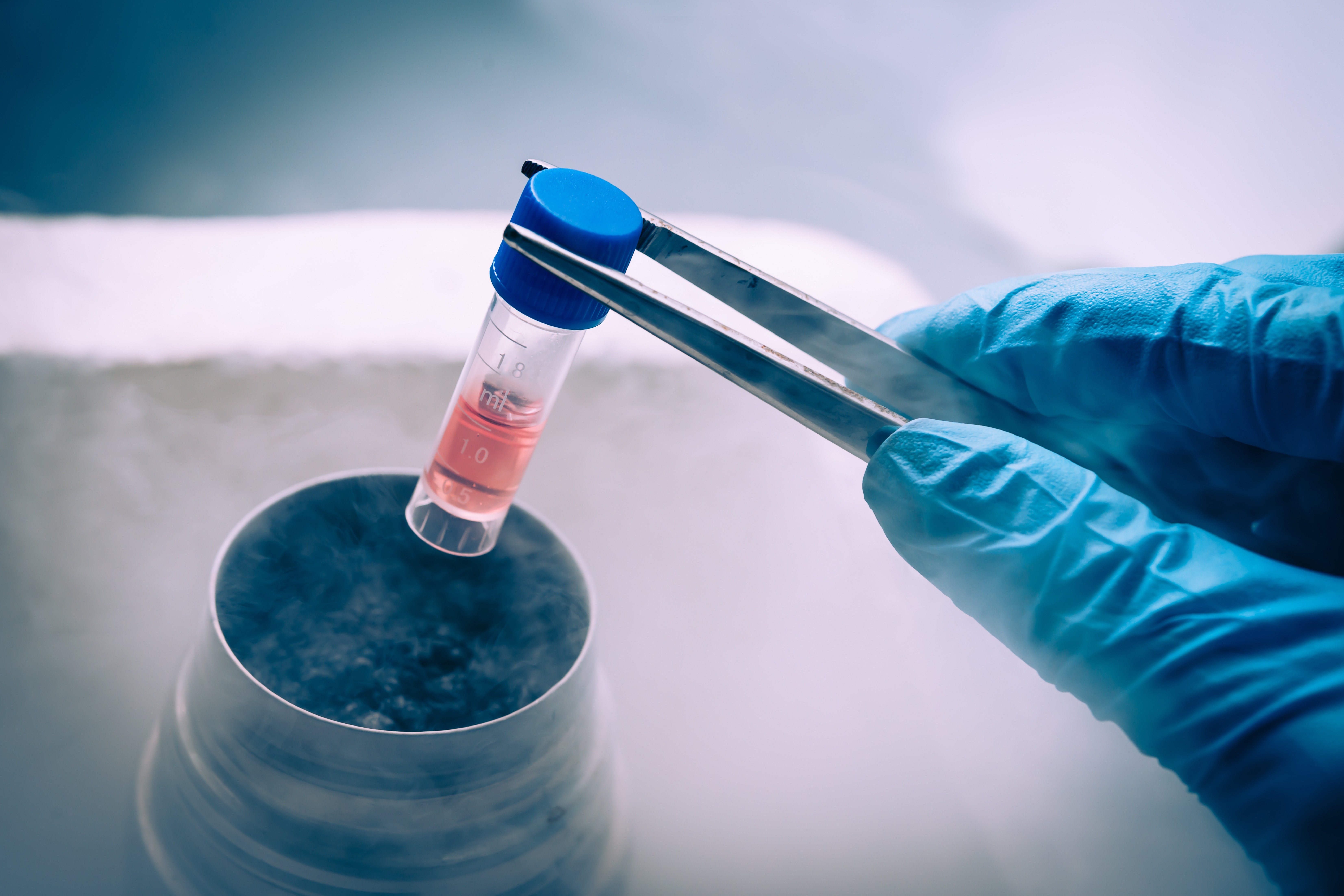
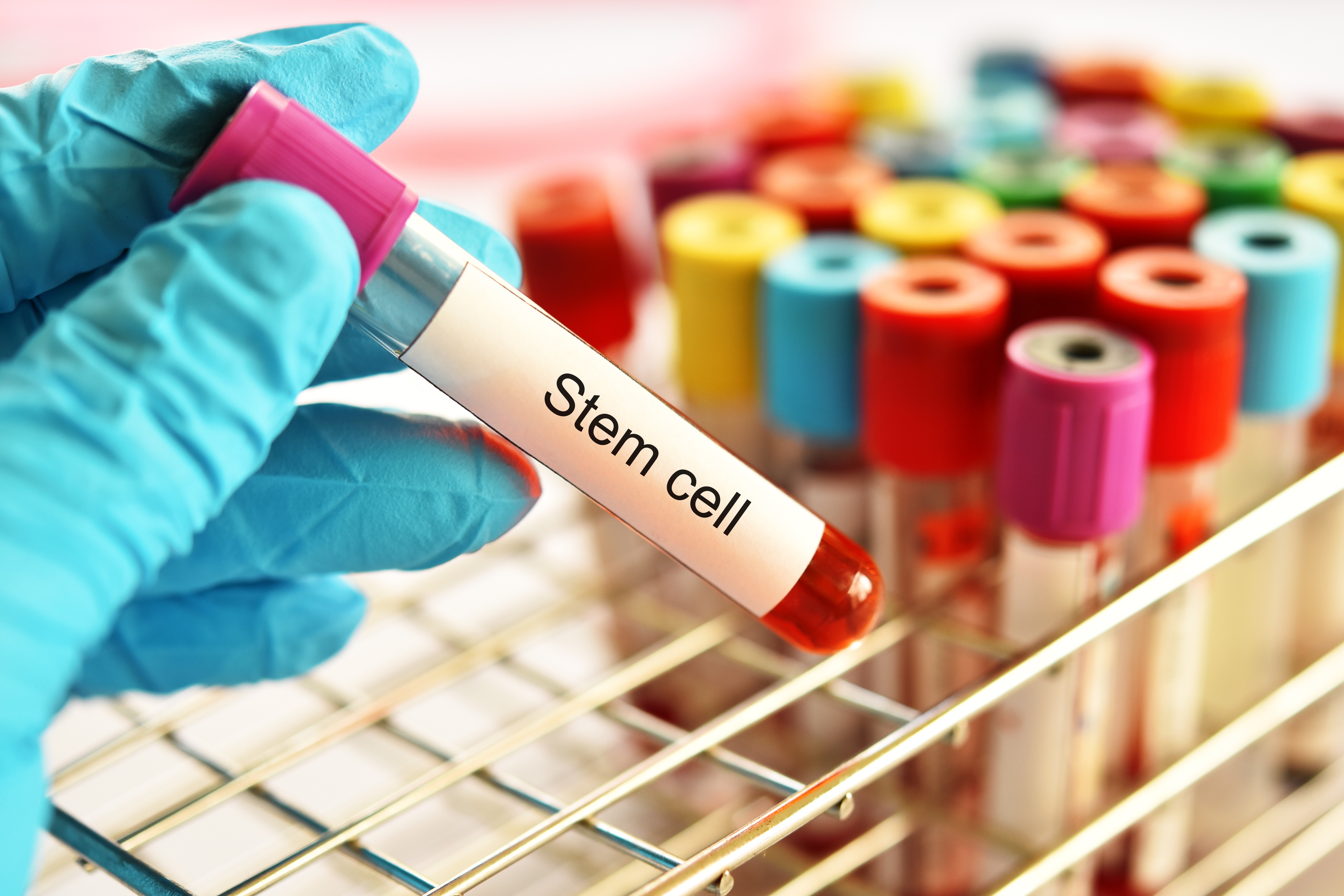
As you focus on managing morning sickness during the early weeks of pregnancy, it is a time when parents explore options such as cord blood banking. A baby's umbilical cord blood is rich in stem cells that have the potential to treat numerous serious diseases and conditions and can be a valuable resource if it is ever required later. At Cryoviva Life Sciences, we provide safe and reliable umbilical cord blood banking services that give parents a peace of mind regarding their baby’s health. For assistance or questions about cord blood banking, contact Cryoviva Life Sciences at 1800 101 9587 or (+91) 8130800211. You can also email us at [email protected] and our team will be happy to answer all your questions about cord blood banking.
Frequently Asked Questions
Q.Can morning sickness affect the baby?
Mild to moderate morning sickness usually does not harm the baby. Most babies continue to grow normally even when the mother experiences nausea and occasional vomiting. Concerns mainly arise when vomiting becomes severe, causes dehydration, or leads to significant weight loss.
Q.Is morning sickness worse with a first pregnancy?
Many women notice stronger symptoms during their first pregnancy, but this is not the same for everyone. Hormone levels, sensitivity to smells, and overall health play a role, so the experience can vary widely.
Q.Does morning sickness get worse at night?
Yes, some women feel more nauseous in the evening. Fatigue, long gaps between meals, and certain smells around dinner time can make symptoms more noticeable later in the day.
Q.What week is morning sickness usually the worst?
Morning sickness often peaks around weeks 8 to 10 of pregnancy, when hormone levels reach their highest point. It usually begins to settle as the second trimester approaches.
Q.Can dehydration make morning sickness worse?
Yes, low fluid levels can intensify nausea and make it harder for the body to recover. Small sips of water or oral rehydration solutions through the day can help maintain hydration.
Q.Are there any smells that commonly trigger morning sickness?
Strong odours like perfumes, cooking smells, and cleaning products often act as triggers. Many pregnant women also report increased sensitivity to heat or stale air, which can worsen nausea.
Q.Is morning sickness more common with baby girls?
Some studies suggest slightly higher chances of nausea with girl pregnancies, but the difference is small. Morning sickness can happen in any pregnancy, regardless of the baby’s sex.
Q.Can morning sickness return after it has gone away?
Yes, symptoms can come back occasionally, especially during times of stress, fatigue, or if you eat something that does not sit well with your stomach.
Q.Does morning sickness mean a healthy pregnancy?
Morning sickness is often linked with strong hormonal changes, which are common in healthy pregnancies. However, the absence of nausea does not indicate a problem - many women have healthy pregnancies without any morning sickness.
.jpg)
.jpg)
 Enquiry
 Email
Email Phone
Phone
 Whatsapp