
1 to 3 Month Pregnancy Diet Chart: Early Nutrition Guide for Expecting Mothers
Table of Contents
- 1. Why Early Pregnancy Nutrition Matters: 1 to 3 Months
- 2. Essential Nutrients and Foods for the First Trimester
- 3. 1 to 3 Month Pregnancy Diet Chart: Simple Daily Plan
- 4. Foods to Avoid or Limit During Early Pregnancy
- 5. Managing Common First Trimester Symptoms Through Diet
- 6. Final Thoughts
- 7. Frequently Asked Questions
- 7.1. Q: What is a pregnancy diet chart and why is it helpful in the first trimester?
- 7.2. Q: How is a 1 to 3 month pregnancy diet chart different from a regular diet plan?
- 7.3. Q: Can the diet chart during pregnancy remain the same every month?
- 7.4. Q: Is there a difference between a first trimester diet plan and a 5 month pregnancy diet plan?
- 7.5. Q: How do I use a pregnancy diet chart if I have strong food aversions?
- 7.6. Q: Is it okay to eat outside food while following a pregnancy diet chart?
- 7.7. Q: What is umbilical cord preservation and how can I find this service near me?
- 7.8. Q: Is cord blood banking safe for the mother and baby?
- 7.9. Q: How do I contact Cryoviva Life Sciences for stem-cell banking services near me?
The first trimester marks the start of an exciting journey, often filled with new emotions and changing routines. While many expecting mothers experience shifts in appetite, morning sickness, and fluctuating energy levels during these months, eating balanced, nourishing meals can make these changes easier to manage and help support overall wellbeing. A thoughtfully planned pregnancy diet chart can bring structure and comfort to daily eating habits, especially between the first and third month. This article offers a clear and easy-to-follow 1 to 3 month pregnancy diet chart designed to support early nutritional needs and give expecting mothers a confident start to first-trimester eating.
Why Early Pregnancy Nutrition Matters: 1 to 3 Months
During the first three months of pregnancy, the body begins adjusting to hormonal changes, new nutritional demands, and the early development of the baby. Many women experience symptoms such as nausea, reduced appetite, or aversion to certain foods, which makes mindful eating especially important. A balanced pregnancy diet during this time helps maintain energy, supports overall wellbeing, and provides essential nutrients the body needs in early pregnancy. Following a simple diet chart for pregnant women can also make day-to-day planning easier, ensuring that meals remain light, nourishing, and easy to digest. Focusing on small, frequent meals and choosing foods rich in natural nutrients can help the body cope better with the changes that occur during the first trimester.
Related: Symptoms of Early Pregnancy
Essential Nutrients and Foods for the First Trimester
During the first trimester, the body needs steady nourishment to support early pregnancy changes. Choosing the right foods helps maintain energy, ease common symptoms, and provide the nutrients needed during this stage. Here are some important nutrients and simple food options that expecting mothers can include in their pregnancy diet:
|
Nutrient |
Why It Matters |
India-Friendly Food Sources |
|
Folic Acid |
Supports healthy cell growth and early neural development of the baby. Important in the first few weeks of pregnancy. |
Spinach, methi, mustard greens, lentils, chana dal, moong dal, oranges, muskmelon, groundnuts, beetroot, fortified atta/cereals
|
|
Iron |
Helps maintain healthy energy levels and supports increased blood volume during pregnancy. |
Spinach, beetroot, jaggery (gur), dates, raisins, whole wheat flour, bajra, ragi, rajma, chole, eggs, sprouts, methi leaves |
|
Calcium |
Supports the development of the baby’s bones and teeth while maintaining the mother’s bone health. |
Milk, curd, paneer, ragi, sesame seeds (til), almonds, soy milk (fortified), amaranth (rajgira), drumstick leaves (moringa) |
|
Protein |
Helps support the body’s increased nutritional needs and maternal tissue growth. |
Dal, moong dal, chana dal, rajma, chole, paneer, tofu, eggs, chicken, fish (fully cooked), sprouts, curd, peanuts |
|
Vitamin B6 |
Supports metabolism and may help reduce nausea in early pregnancy. |
Bananas, potatoes, sweet potatoes, whole wheat, oats, peanuts, chickpeas, sunflower seeds |
|
Healthy Fats |
Support hormone regulation and help absorb fat-soluble vitamins, keeping meals satisfying. |
Nuts (almonds, walnuts), seeds (flaxseed, chia, sunflower), ghee (in moderation), avocados (optional), coconut, groundnut oil |
|
Hydration |
Supports digestion, reduces fatigue, and helps manage nausea.
|
Water, coconut water, buttermilk, lemon water, homemade soups, fresh fruit juices (not packaged) |
Including these foods in the diet chart during pregnancy can help expecting mothers feel more energised and manage their meals more comfortably during the first trimester.
Related: Best Fruits to Eat During Pregnancy
1 to 3 Month Pregnancy Diet Chart: Simple Daily Plan
Planning meals in early pregnancy can feel challenging, especially with changing appetite, nausea or sudden food aversions. A simple daily pregnancy diet chart can help expecting mothers maintain steady energy and include essential nutrients throughout the day. However, since every pregnancy is unique, it is wise to check with your doctor before adopting any specific diet chart. Here’s a quick diet plan with light, nourishing options that remain gentle on the stomach:
|
Meal Time |
Recommended Options (Veg + Non-Veg) |
| Early Morning |
- Warm water with soaked almonds - Coconut water - A small bowl of fruit (such as apples, bananas, pears) |
|
Breakfast |
- Vegetable poha or upma - Whole wheat toast with boiled eggs - Dal cheela with mint chutney- Oats with milk and nuts |
|
Mid-Morning Snack |
- Curd or buttermilk - A handful of nuts and seeds - Seasonal fruit |
|
Lunch
|
- Veg: 1–2 chapatis or steamed rice, dal/rajma/chole, sabzi, curd, salad -Non-veg: Chapati/rice with boiled or lightly cooked chicken curry (mild spices), egg curry with roti, fish curry (well-cooked) |
|
Evening Snack |
- Veg: Roasted makhana, fruit chaat, vegetable soup, paneer sandwich -Non-veg: Chicken soup, boiled egg snack, tuna sandwich (homemade, properly cooked) |
|
Dinner |
- Veg: Chapati with dal and sabzi, khichdi with ghee, vegetable daliya - Non-veg: Chicken soup, grilled or steamed fish, egg curry with roti |
|
Bedtime |
- A glass of warm milk - A small bowl of homemade kheer - A banana (if it does not cause acidity) |
Foods to Avoid or Limit During Early Pregnancy
Certain foods are best avoided in the first trimester to ensure safety, comfort, and better digestion. Keeping meals light, clean, and home-prepared can help support wellbeing during early pregnancy. Here are some food items expecting mothers may consider limiting or avoiding:
- Unwashed or unpeeled fruits and vegetables, as they may carry surface contaminants.
- Unpasteurised milk or dairy products, which may not be safe for consumption.
- Raw or undercooked meat, fish, or eggs, including runny yolks and sushi.
- Excess caffeine, especially multiple cups of tea or coffee in a day.
- Packaged or highly processed foods, such as chips, instant noodles, or packaged snacks.
- Excess papaya or pineapple, especially unripe forms, which are not recommended during pregnancy.
- Street foods or items prepared in unhygienic conditions, which may affect digestion.
- Sugary beverages and carbonated drinks, which may worsen acidity or nausea.
Choosing fresh, home-cooked meals and maintaining proper hygiene can help keep early pregnancy more comfortable and supportive.
Related: Foods to Eat and Avoid During Pregnancy
Managing Common First Trimester Symptoms Through Diet
Many women experience nausea, acidity, tiredness, and changes in appetite during the first trimester. Eating light, frequent, and balanced meals can help ease these early pregnancy symptoms. Here are some gentle dietary tips that may offer comfort:
- For nausea: Choose small, frequent meals instead of large portions. Include dry snacks such as toast, crackers, or puffed rice in the morning. Ginger tea, lemon water, and bananas may also help reduce queasiness.
- For acidity or heartburn: Avoid fried foods, citrus juices, and very spicy meals. Eating slowly and choosing soft, easy-to-digest foods such as khichdi, oats, curd, or soups can be helpful. Keep dinner light.
- For low appetite: Eat whenever you feel hungry, even if it is not at traditional meal times. Smoothies, fruit bowls, soups, boiled eggs, curd, and sprout salads offer nutrition without feeling too heavy.
- For fatigue: Include iron-rich foods such as spinach, beetroot, dates, and whole grains. Pair them with vitamin C sources such as oranges, tomatoes, or amla for better absorption. Stay hydrated with water, coconut water, or buttermilk.
- For bloating: Choose fibre-rich options in moderation such as fruits, vegetables, dals, and whole grains. Avoid carbonated drinks and very oily foods.
These small adjustments can make daily eating more comfortable and support your pregnancy diet during the first trimester.
Final Thoughts
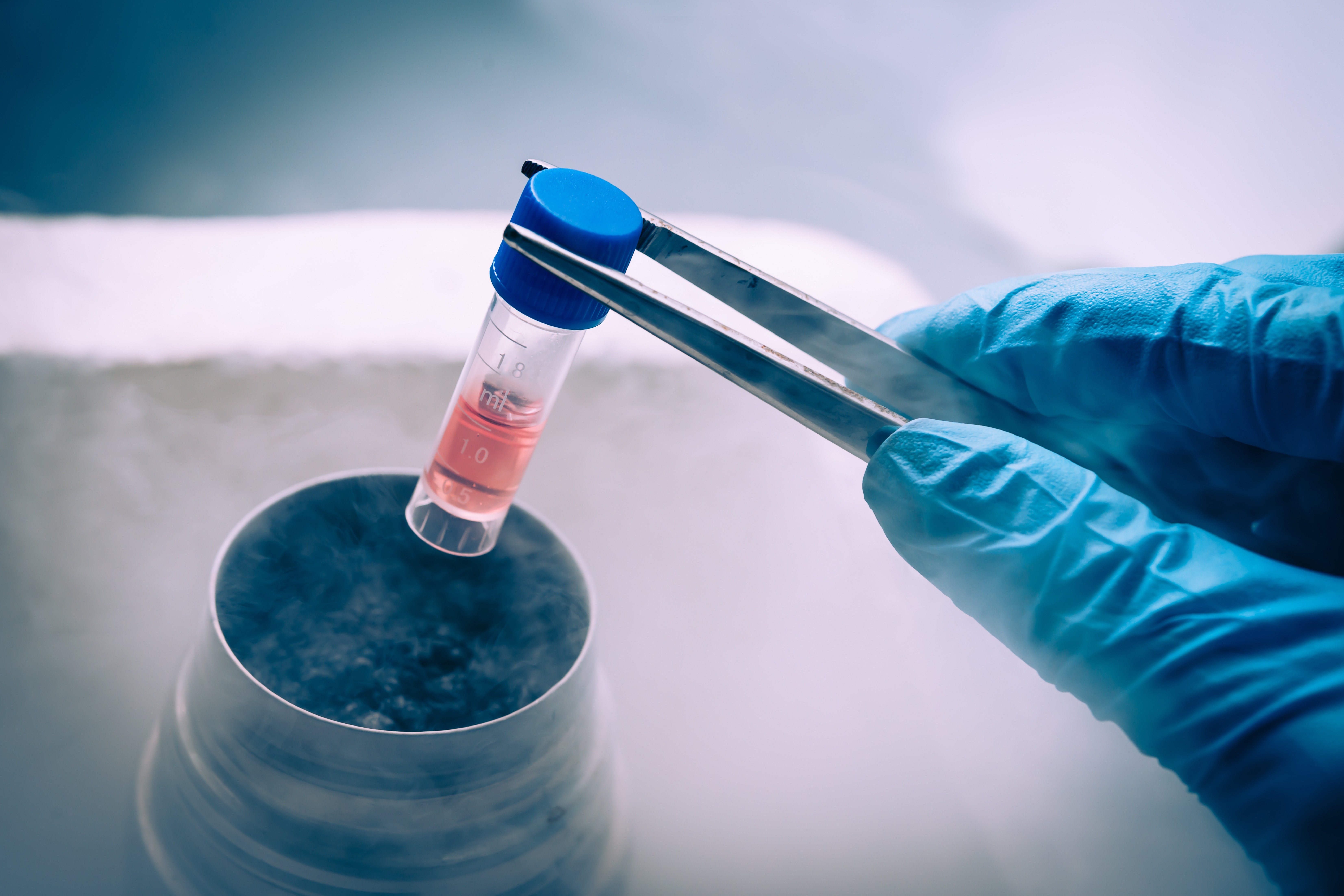
The first trimester brings new beginnings, physical changes, and many decisions that shape the journey ahead. Following a simple and balanced pregnancy diet can help expecting mothers stay comfortable and well-nourished during these early months. As families prepare for the months ahead, many also explore long-term health choices such as umbilical cord preservation. Storing newborn stem cells at birth is a thoughtful step some parents take to safeguard future possibilities for their child. Cryoviva Life Sciences supports families through this process with services such as cord blood banking, cord tissue preservation, MSC expansion, and predictive genomics, offering guidance every step of the way. To learn more or speak with a specialist, contact Cryoviva Life Sciences at 1800-101-9587 or +91 8130800211, or write to us at [email protected]
Frequently Asked Questions
Q: What is a pregnancy diet chart and why is it helpful in the first trimester?
A pregnancy diet chart is a simple daily meal guide that helps expecting mothers eat balanced, nourishing foods. It provides clarity when appetite changes or nausea makes meal planning difficult.
Q: How is a 1 to 3 month pregnancy diet chart different from a regular diet plan?
1 to 3 month pregnancy diet chart focuses on light, easy-to-digest meals, hydration, and essential nutrients such as folic acid and iron. It is designed to support the body’s early pregnancy changes.
Q: Can the diet chart during pregnancy remain the same every month?
Basic principles stay the same, but food choices may change depending on symptoms, appetite, and trimester needs. Some mothers follow a simple pregnancy diet plan for early months and modify it as pregnancy progresses.
Q: Is there a difference between a first trimester diet plan and a 5 month pregnancy diet plan?
Yes. A 5 month pregnancy diet plan generally includes slightly larger portions and additional nutrients to support growing energy needs. The first trimester diet focuses more on light meals, hydration, and coping with nausea.
Q: How do I use a pregnancy diet chart if I have strong food aversions?
Choose alternatives within the same food group. For example, if you cannot tolerate milk, try curd or buttermilk. If you dislike roti, try daliya or rice. The idea is to keep meals flexible and comfortable.
Q: Is it okay to eat outside food while following a pregnancy diet chart?
Home-cooked food is generally recommended. If eating outside, choose fresh, hygienic options and avoid overly spicy or deep-fried dishes.
Q: What is umbilical cord preservation and how can I find this service near me?
Umbilical cord preservation involves safely collecting and storing a newborn’s cord blood or cord tissue at birth for potential future use. Parents looking for this service near me can connect with Cryoviva Life Sciences, which offers nationwide support and doorstep assistance for expectant families.
Q: Is cord blood banking safe for the mother and baby?
Yes. The process is quick, painless, and does not interfere with normal delivery. Cryoviva’s trained team coordinates the entire procedure with the hospital staff.
Q: How do I contact Cryoviva Life Sciences for stem-cell banking services near me?
Families can reach Cryoviva Life Sciences from anywhere in India by calling 1800-101-9587 or +91 8130800211, or by emailing [email protected] for guidance.
.jpg)
 Enquiry
 Email
Email Phone
Phone
 Whatsapp