Foods to Avoid for a Healthy Pregnancy: What Expecting Mothers Need to Know
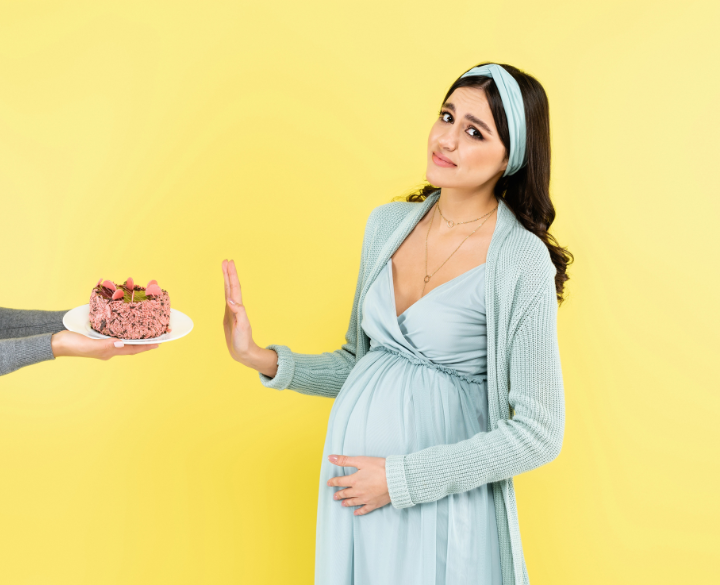
Table of Contents
- 1. Why Certain Foods are Restricted During Pregnancy
- 2. Foods to Avoid During Pregnancy
- 2.1. Raw or Undercooked Meat, Eggs, and Seafood
- 2.2. Unpasteurised Dairy Products
- 2.3. Street Food and Improperly Stored Foods
- 2.4. Fish High in Mercury
- 3. Fruits and Vegetables That Should Be Avoided or Limited
- 3.1. Unripe or Semi-Ripe Papaya
- 3.2. Black Grapes and Very Sugary Fruits
- 3.3. Raw or Unwashed Fruits and Vegetables
- 4. Commonly Questioned Foods During Pregnancy
- 4.1. Pineapple During Pregnancy
- 4.2. Corn and Sweet Corn During Pregnancy
- 5. Foods and Drinks to Limit During Pregnancy
- 5.1. Caffeine-Containing Drinks
- 5.2. Highly Processed and Packaged Foods
- 5.3. Excessively Salty, Spicy, or Sugary Foods
- 6. Food Safety Practices Every Expecting Mother Should Follow
- 7. When to Speak to a Doctor About Diet During Pregnancy
- 8. Closing Note
- 9. Frequently Asked Questions
- 9.1. Q: Can eating unsafe foods during pregnancy affect the baby?
- 9.2. Q: Is it safe to eat outside food occasionally during pregnancy?
- 9.3. Q: Do food restrictions change across different trimesters?
- 9.4. Q: How can pregnant women manage cravings for restricted foods?
- 9.5. Q: How can balanced nutrition be maintained while avoiding certain foods?
Pregnancy is a time when everyday food choices begin to matter a lot more, as what an expecting mother eats directly influences the baby’s growth and development. While a balanced diet provides essential nutrients, certain foods may carry risks due to bacteria, toxins, or ingredients that can interfere with a healthy pregnancy. Being aware of foods to avoid during pregnancy helps reduce the chances of infections, digestive issues, and potential complications, while also offering reassurance during this important phase.
In this article, we’ll outline key foods that expecting mothers are advised to avoid or limit, along with the reason behind each recommendation. Let’s start by understanding why certain foods are restricted during pregnancy.
Why Certain Foods are Restricted During Pregnancy
During pregnancy, the body undergoes natural changes that can affect how food is processed and how the immune system responds. This is why some foods that are otherwise safe may need to be avoided or handled with extra care during this phase.
Certain foods are restricted during pregnancy because they may:
- Increase the risk of food-borne infections due to reduced immunity
- Contain harmful bacteria or parasites that can affect the developing baby
- Interfere with healthy foetal growth when consumed in excess or in raw form
- Cause digestive discomfort, nausea, or acidity, which are already common during pregnancy
- Be unsafe if hygiene, storage, or cooking standards are not properly maintained
Being aware of these risks helps expecting mothers make practical dietary choices that support both their own wellbeing and the baby’s development, without unnecessary anxiety or confusion.
Read Also: Pregnancy Food Chart & Foods to Avoid
Foods to Avoid During Pregnancy
Certain foods may pose a higher risk during pregnancy, especially if they are raw, undercooked, improperly stored, or prepared in unhygienic conditions. Being mindful of these foods can help reduce the chances of infections and support a safer pregnancy. Food to avoid during pregnancy include:
Raw or Undercooked Meat, Eggs, and Seafood
Meat, eggs, and seafood that are not cooked thoroughly can carry harmful bacteria and parasites, which the body may find harder to fight during pregnancy. This includes undercooked chicken or mutton, partially cooked kebabs or tandoori meats, half-boiled or raw eggs, and raw or lightly cooked fish and seafood.
Consuming such foods may increase the risk of food-borne infections, which can affect both maternal health and the developing baby. Ensuring that all meat, eggs, and seafood are cooked thoroughly until well done helps reduce these risks during pregnancy.
Read Also: Eggs for Pregnant Women: Benefits, Nutrition, and Safety
Unpasteurised Dairy Products
Dairy products made from unpasteurised milk can contain bacteria that may be harmful during pregnancy. Loose or unboiled milk, paneer sourced from street vendors, and cheeses prepared using unpasteurised milk should be avoided. Choosing pasteurised milk and dairy products from reliable sources is a safer option.
Street Food and Improperly Stored Foods
Street foods and foods that are exposed for long periods may not always meet hygiene standards. Items such as chaat, pani puri, roadside cut fruits, and reheated or uncovered foods can increase the risk of stomach infections. During pregnancy, it is safer to prioritise freshly prepared meals made in clean environments.
Fish High in Mercury
Some varieties of fish contain higher levels of mercury, which can affect the baby’s developing nervous system if consumed frequently. Large predatory fish are generally discouraged during pregnancy. When including fish in the diet, moderation and choosing safer varieties are important.
Fruits and Vegetables That Should Be Avoided or Limited
While fruits and vegetables are essential during pregnancy, some varieties require caution, especially when consumed unripe, raw, or in excess. Being aware of these helps reduce avoidable risks and digestive discomfort. Fruits and veggies to avoid or limit during pregnancy include:
Unripe or Semi-Ripe Papaya
Unripe or partially ripe papaya is generally advised against during pregnancy, as it may stimulate uterine contractions when consumed in larger quantities.
Black Grapes and Very Sugary Fruits
Black grapes and fruits with high sugar content may lead to acidity, bloating, or blood sugar fluctuations when eaten in excess, especially in women prone to gestational diabetes.
Raw or Unwashed Fruits and Vegetables
Raw or poorly washed produce can carry bacteria, parasites, or pesticide residues. Fruits and vegetables should always be washed thoroughly under running water, and raw salads prepared outside the home are best avoided during pregnancy.
Read Also: Essential Prenatal Vitamins and Nutrients
Commonly Questioned Foods During Pregnancy
Some foods are often surrounded by misconceptions during pregnancy. Rather than being strictly unsafe, these foods usually require moderation, proper preparation, and individual medical guidance. Commonly questioned foods during pregnancy include:
Pineapple During Pregnancy
Pineapple is frequently avoided due to concerns about bromelain, an enzyme that may soften the cervix when consumed in large amounts. While small quantities may be safe for many women, pineapple is generally best limited in early pregnancy or consumed only after consulting a doctor, especially if there is a history of miscarriage or uterine sensitivity.
Corn and Sweet Corn During Pregnancy
Corn and sweet corn can be nutritious additions to the diet when prepared properly. They are safe to eat when boiled or cooked thoroughly and consumed in moderate portions. However, excessive intake or preparations with added butter, salt, or spices may cause bloating, gas, or indigestion, which are common pregnancy concerns. Choosing simple, well-cooked preparations can help minimise discomfort.
Foods and Drinks to Limit During Pregnancy
Not all foods need to be completely avoided during pregnancy, but some are best consumed in moderation to reduce discomfort and potential health risks. Paying attention to portion size and frequency can make a meaningful difference. Food and drinks to limit during pregnancy include:
Caffeine-Containing Drinks
Tea, coffee, and other caffeinated beverages should be limited during pregnancy, as excessive caffeine intake may affect foetal growth and contribute to sleep disturbances or acidity. Switching to lighter brews or reducing the number of cups per day is often advised.
Highly Processed and Packaged Foods
Packaged snacks, ready-to-eat foods, and highly processed items often contain high levels of salt, sugar, and preservatives. Regular consumption may contribute to unnecessary weight gain, water retention, and digestive issues during pregnancy.
Excessively Salty, Spicy, or Sugary Foods
Very salty, spicy, or sugary foods can worsen common pregnancy complaints such as acidity, swelling, and nausea. Limiting these foods and opting for balanced, home-prepared meals helps support better digestion and overall comfort during pregnancy.
Read Also: Do's and Don'ts in Pregnancy
Food Safety Practices Every Expecting Mother Should Follow
Along with avoiding certain foods, following basic food safety practices plays an important role in reducing the risk of infections during pregnancy. Small, everyday precautions can go a long way in supporting maternal and foetal health. Food safety tips every expecting mother should follow are as follows:
- Wash fruits and vegetables thoroughly under running water before consumption to remove dirt, bacteria, and pesticide residues.
- Eat freshly prepared meals whenever possible and avoid foods that have been left out for long periods.
- Store cooked food safely and refrigerate leftovers promptly; reheat them thoroughly before eating.
- Avoid long-stored leftovers, especially those kept at room temperature.
- Check packaged food labels carefully for expiry dates, storage instructions, and ingredient lists before consumption.
Maintaining good food hygiene helps minimise avoidable health risks and supports a safer, more comfortable pregnancy experience.
Read Also: Healthy Pregnancy Fruits Guide for Expecting Mothers
When to Speak to a Doctor About Diet During Pregnancy
While general dietary guidelines apply to most pregnancies, some expecting mothers may need extra caution. It is advisable to consult a doctor in the following situations:
- Persistent nausea or vomiting that affects daily food intake or hydration
- Ongoing digestive discomfort, such as acidity, bloating, or indigestion
- Strong food aversions or cravings that interfere with balanced nutrition
- Pre-existing medical conditions, such as diabetes, thyroid disorders, or gastrointestinal issues
- Concerns about weight changes, including inadequate weight gain or excessive weight fluctuations
- Uncertainty about specific foods and whether they are safe to consume during pregnancy
Seeking timely medical advice helps ensure that dietary choices support both maternal health and the baby’s development throughout pregnancy.
Closing Note
Making mindful food choices during pregnancy helps reduce avoidable risks and supports both maternal wellbeing and healthy foetal development. Paying attention to food safety, moderation, and preparation allows expecting mothers to navigate dietary changes with greater confidence and comfort.
Pregnancy also encourages families to think beyond daily nutrition and consider how they can prepare more thoughtfully for childbirth and the baby’s long-term wellbeing. Alongside balanced eating and regular antenatal care, informed planning around birth-related decisions, such as stem cell preservation, which can only be done at the time of delivery, can help parents feel more reassured and prepared.
At Cryoviva Life Sciences, we support expecting parents by providing clear medical information and access to stem cell preservation services at birth, enabling families to make informed choices during this important phase. Our approach is centred on ethical practices, clinical guidance, and the long-term care of preserved stem cells. Parents seeking more information can speak with a Cryoviva counsellor at 1800 101 9587 or chat 9311042957. Thoughtful planning, combined with healthy lifestyle practices, can contribute to a calmer and more supported pregnancy experience.
Frequently Asked Questions
Q: Can eating unsafe foods during pregnancy affect the baby?
Yes. Certain foods may increase the risk of infections or exposure to harmful substances, which can affect both the mother and the developing baby. Following food safety guidelines helps reduce these risks.
Q: Is it safe to eat outside food occasionally during pregnancy?
Occasional outside food may be consumed if it is freshly prepared and hygienic. However, frequent consumption of street food or improperly stored food is best avoided during pregnancy.
Q: Do food restrictions change across different trimesters?
Some foods may be more restricted during early pregnancy, while tolerance may improve later. Individual medical history and pregnancy progression also play a role, so guidance may vary.
Q: How can pregnant women manage cravings for restricted foods?
Cravings are common during pregnancy. Managing portion size, choosing safer alternatives, and discussing concerns with a doctor can help address cravings without compromising safety.
Q: How can balanced nutrition be maintained while avoiding certain foods?
Balanced nutrition can be maintained by including a variety of safe fruits, vegetables, whole grains, proteins, and dairy from reliable sources, along with regular medical guidance to address individual nutritional needs.



 Enquiry
 Email
Email Phone
Phone
 Whatsapp