
The Ultimate Guide to Omega-3-Rich Foods in India: Best Fish and Plant Sources for Expecting Mothers
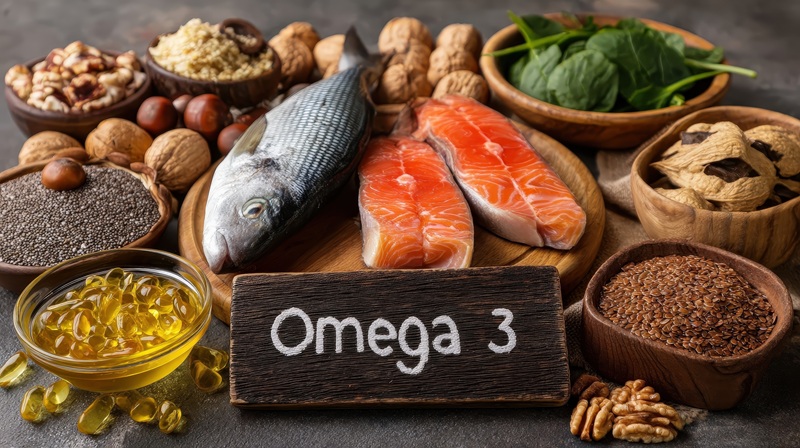
Table of Contents
- 1. Key Takeaways: Omega-3 Nutrition for Pregnancy
- 2. Why Omega-3 is Your Pregnancy Powerhouse
- 3. The Best Fatty Fish in India: A Prenatal Guide to Marine Wellness
- 4. Top 5 Plant-Based Omega-3 Sources: Essential Prenatal Nutrition for Vegetarians
- 5. Understanding the Difference: Fish vs. Plant-Based Omega-3
- 6. Expert Tip: Omega-3 and the "First 1,000 Days" Journey
- 7. Conclusion: Securing Your Family’s Health
- 8. Frequently Asked Questions (FAQs)
- 8.1. Q.1 Which Indian fish is highest in Omega-3 fatty acids?
- 8.2. Q.2 Is Katla fish a good source of Omega-3 and protein?
- 8.3. Q.3 Can vegetarians get enough Omega-3 from an Indian diet?
- 8.4. Q.4 Why is Omega-3 specifically recommended during pregnancy?
- 8.5. Q.5 Which fish has more protein and less fat in India?
Pregnancy is a time when nutrition becomes especially important, as a mother’s diet plays a key role in supporting both her health and the baby’s development. Among the many nutrients required during this stage, omega-3 fatty acids are particularly essential. These healthy fats support the baby’s brain and eye development and may also contribute to a healthy pregnancy by helping regulate inflammation and supporting overall maternal wellbeing.
Omega-3 fatty acids cannot be produced by the body in sufficient amounts, which means they must come from dietary sources. For expecting mothers, including omega-3-rich foods in everyday meals can be a simple and natural way to meet these nutritional needs. In the Indian diet, several easily available foods, from fatty fish such as Katla to plant-based options such as walnuts and flaxseeds, can help provide these beneficial fats. In this article, we’ll highlight 10 omega-3-rich foods that expecting mothers can include in their pregnancy diet, along with simple ways to add them to daily meals.
Key Takeaways: Omega-3 Nutrition for Pregnancy
Meeting your omega-3 requirements is a vital part of prenatal care, supporting your baby's brain development and your own heart health. Here is a quick summary of the best locally available food sources and benefits:
- Brain & Eye Development: Omega-3 fatty acids, specifically DHA, are the primary structural building blocks for the baby's brain and retina.
- Best Fish Sources in India: Indian Mackerel (Bangda) and Hilsa (Ilish) are the highest sources of EPA and DHA. For freshwater options, Katla fish is an excellent choice, providing high protein alongside healthy fats.
- Top Plant-Based Options: Vegetarians can get essential ALA (a precursor to DHA) from walnuts (akhrot), flaxseeds (alsi), and chia seeds.
- Mercury Safety: Small local fish like Sardines (Tarli) are highly recommended during pregnancy because they are nutrient-dense and have the lowest mercury risk.
- The "First 1,000 Days": Prioritising omega-3-rich foods during the window from conception to age ‘two’ creates a lifelong nutritional foundation for your child.
- A Holistic Health Approach: Just as a diet rich in omega-3 sources secures your child’s developmental foundation today, stem cell banking secures their biological future for years to come.
Read Also: 1 to 3 Month Pregnancy Diet Chart: Early Nutrition Guide for Expecting Mothers
Why Omega-3 is Your Pregnancy Powerhouse
For expecting mothers, omega-3 is not just another nutrient; it is a vital investment in your child’s future potential. Here are the ways these essential fats support both you and your baby during this transformative time:
- Building a Brighter Mind: Docosahexaenoic Acid (DHA) is a primary structural component of the human brain and retina. By prioritising omega-3-rich foods, you are providing the specific nutrients that directly fuel your baby’s cognitive growth and sharp visual acuity from the very first trimester.
- A Healthy Heart for Two: These fatty acids are renowned for maintaining cardiovascular health by reducing triglycerides and supporting healthy blood pressure. For the mother, this means better heart health during the physical demands of pregnancy and beyond.
- Managing the Body’s Natural Balance: Pregnancy can be taxing on the body. Omega-3s act as an anti-inflammatory powerhouse, producing signalling molecules that help manage physical stress, supporting everything from joint comfort to radiant skin vitality.
- The Cryoviva Perspective on Protection: We believe maternal nutrition is the first chapter in a child’s lifelong health story. Clinical research links adequate omega-3 intake to a reduced risk of preterm birth and improved birth weights. Just as stem cell banking secures your child’s biological future, a diet rich in omega-3 sources secures their nutritional foundation today.
Read Also: Diet Chart for Pregnant Women
The Best Fatty Fish in India: A Prenatal Guide to Marine Wellness
India’s extensive coastline and vibrant freshwater networks offer some of the most potent sources of omega 3 fatty acids in the world. While many families look toward expensive imported varieties, our local markets are teeming with nutrient-rich local fish that are fresher, more sustainable, and specifically suited to the Indian palate.
For expecting mothers, choosing local fish is often a safer bet as they spend less time in transit. Here are the top 5 fatty fish in India to include in your prenatal diet:
- Indian Mackerel (Bangda): Often considered the "Gold Standard" for omega-3 in India, Bangda is exceptionally rich in EPA and DHA. A 100 g serving can provide approximately 1,200 mg to 1,500 mg of omega-3. It is widely regarded as the best fish to eat in India because it is affordable, low in mercury, and excellent for both maternal heart health and the baby’s developing eyesight.
- Hilsa (Ilish): Known as the "Queen of Fish," this seasonal delicacy is one of the oiliest fish available, containing roughly 1,800 mg of omega-3 per 100 g. It is a powerhouse of essential amino acids and is highly effective at managing healthy triglyceride levels during pregnancy.
- Katla (Catla): If you are wondering which fish is good for health in the freshwater category, Katla is a top contender. It is a superior choice for those asking which fish has more protein (approx. 23 g per 100 g) while still providing a solid dose of omega-3 (around 600-900 mg). Its soft texture makes it a perfect, easy-to-digest addition to traditional family curries.
- Indian Salmon (Rawas): Rawas is a premier choice for parents seeking a high-protein, high-DHA diet. With about 2.0 g of omega-3 per 100 g, it supports metabolic health and steady muscle maintenance. It is widely available on the West Coast and is a safe, nutrient-dense option for expecting mothers when consumed in moderate amounts.
- Sardines (Tarli/Mathi): Don’t let their size fool you; sardines are nutritional giants packed with omega-3, Vitamin D, and Calcium for bone health. Because they sit lower on the food chain, they have the lowest mercury levels, making them one of the safest omega 3 foods in India for long-term, frequent consumption during pregnancy.
Read Also: Best Fruits to Eat During Pregnancy
Top 5 Plant-Based Omega-3 Sources: Essential Prenatal Nutrition for Vegetarians
While fish is a well-known source, India’s rich agricultural heritage provides a variety of excellent plant-based omega 3 foods in India. These sources contain Alpha-Linolenic Acid (ALA), which your body can partially convert into the vital EPA and DHA fatty acids needed for baby's growth.
For expecting mothers following a vegetarian or vegan lifestyle, incorporating these sources of omega 3 fatty acids into daily meals is key to maintaining a healthy nutritional balance throughout pregnancy:
- Walnuts (Akhrot): Nature has a clever way of giving us hints - walnuts are shaped like a brain and are indeed the king of brain-boosting nuts. They contain more omega-3 than any other nut, providing about 2.5g of ALA per handful. They are a perfect, portable snack for supporting your own heart health and your baby’s cognitive development.
- Flaxseeds (Alsi): These tiny, golden seeds are perhaps the richest plant source of ALA available in the Indian market. To get the most benefit during pregnancy, it is best to consume them in ground form (flax meal), as whole seeds often pass through the digestive system unabsorbed. They are also brilliant for improving digestion, thanks to their high fibre content.
- Chia Seeds: A modern superfood that has quickly become a staple in Indian kitchens. Just two tablespoons contain approximately 5g of omega-3. They are incredibly versatile for an expecting mother’s diet; you can soak them in water, add them to your morning porridge, or mix them into a refreshing glass of nimbu paani.
- Soybeans & Soybean Oil: A common household ingredient, soybeans are a double win for prenatal care as they are both a high-protein food and a reliable source of ALA. Using soybean oil for light sautéing or including edamame in your salads is a simple way to increase your daily intake of omega-3-rich foods.
- Kidney Beans (Rajma): A beloved comfort food across India, Rajma is a surprising but effective source of omega-3. While the concentration is lower than in seeds or nuts, the combination of healthy fats, high protein, and iron makes it a nutritional powerhouse for both the mother and the developing foetus.
Read Also: Fruits that Support a Healthy Pregnancy: A Simple Guide for Expecting Mothers
Understanding the Difference: Fish vs. Plant-Based Omega-3
When planning your prenatal diet, understanding the distinction between different sources of omega 3 fatty acids is essential. Not all omega-3s are identical, and your body, as well as your developing baby, processes them in different ways.
- EPA & DHA (The "Direct" Source): These are "ready-to-use" fatty acids found in fatty fish in India like Katla fish and Mackerel. Because they don't require conversion, they are easily absorbed and go directly to work supporting your heart health and your baby’s rapid brain and eye development.
- ALA (The "Precursor" Source): Found in omega 3 foods in India such as walnuts and flaxseeds, ALA is a vital nutrient that the body must convert into EPA and DHA. While the conversion process is less efficient than getting DHA directly from fish, plant sources remain indispensable. They provide essential fibre, antioxidants, and a unique micronutrient profile that supports overall maternal wellness.
For the best results during pregnancy, a combination of both (if your dietary preferences permit) ensures you are hitting your nutritional targets from every angle. If you follow a strict vegetarian diet, focusing on a variety of ALA-rich foods and discussing algae-based DHA supplements with your doctor can ensure your baby gets everything they need.
Expert Tip: Omega-3 and the "First 1,000 Days" Journey
At Cryoviva Life Sciences, we often highlight the profound significance of the "First 1,000 Days" - the critical window from the moment of conception to a child’s second birthday. The nutrition you prioritise during this period creates the blueprint for your child's lifelong health.
Omega-3 fatty acids, particularly DHA, are the primary structural fats required for the development of the human brain and eyes. Research suggests that for expecting mothers, ensuring a consistent intake of omega-3-rich foods during pregnancy can lead to transformative benefits:
- Advanced Brain Power: Enhanced cognitive development, better focus, and superior problem-solving skills in infants.
- Healthy Development: Improved sleep patterns and more robust social development during early childhood.
- Maternal Wellbeing: A significantly reduced risk of postnatal depletion, helping mothers recover after childbirth and maintain their energy levels.
Much like the decision to opt for umbilical cord blood banking, focusing on your omega-3 intake is a proactive, forward-thinking step. While stem cell banking secures a biological "safety net" for the future, these essential fats provide the immediate nutritional foundation your newborn needs to thrive from day one.
Read Also: Eggs for Pregnant Women: Benefits, Nutrition, and Safety
Conclusion: Securing Your Family’s Health
Incorporating these 10 best omega-3 rich foods in India, from the protein-packed Katla fish to the nutrient-dense walnut, is a simple yet profound way to enhance your family’s wellbeing. Whether you are looking for which fish has more protein or seeking the best fish to eat in India for heart health, our local markets offer everything you need to support a healthy pregnancy.
Health is a multi-layered journey. It begins with the food on your plate and extends to the medical advancements you choose to embrace. By pairing a nutrient-rich prenatal diet with the advanced protection of stem cell banking, you are giving your child the strongest possible start in life.
Take a proactive step towards lifelong protection. Discover how Cryoviva’s world-class stem cell banking serves as a vital safety net, securing your child’s health journey from day one. Contact us at 09311042957 or simply fill our contact form.
Frequently Asked Questions (FAQs)
Q.1 Which Indian fish is highest in Omega-3 fatty acids?
Indian Mackerel (Bangda) and Hilsa (Ilish) are among the highest sources of omega-3 in India. While Hilsa is exceptionally rich in fats, Bangda is often recommended for regular consumption because it is more widely available and has a lower mercury risk, making it an excellent choice for heart health and prenatal nutrition.
Q.2 Is Katla fish a good source of Omega-3 and protein?
Yes, Katla fish is an excellent freshwater source of both omega 3 fatty acids and high-quality protein. It is particularly beneficial for those who prefer river fish over sea fish. It provides essential amino acids and minerals like zinc and iron, which support immune function and tissue repair.
Q.3 Can vegetarians get enough Omega-3 from an Indian diet?
Absolutely. While plant-based sources provide ALA (which the body must convert to EPA/DHA), vegetarians can meet their requirements by regularly consuming walnuts (akhrot), flaxseeds (alsi), and chia seeds. Including rajma and soybean oil in daily meals also helps boost the intake of omega 3 foods in India.
Q.4 Why is Omega-3 specifically recommended during pregnancy?
Omega-3, particularly DHA, is a critical building block for a baby's brain and retina. Consuming omega-3-rich foods during pregnancy supports the baby's cognitive development and may reduce the risk of preterm labour. At Cryoviva, we view proper prenatal nutrition as the first step in a child's health journey, complemented by long-term protections like stem cell banking.
Q.5 Which fish has more protein and less fat in India?
If you are looking for a high-protein, lean option, Rohu (Rui) and Katla are excellent choices. They offer a high protein-to-calorie ratio, making them ideal for muscle building and weight management, while still providing a healthy dose of essential omega 3 fatty acids.





 Enquiry
 Email
Email Phone
Phone
 Whatsapp