
Peripheral Blood Stem Cells (PBSCs): Benefits, Uses & Stem Cell Storage Guide

Table of Contents
- 1. Peripheral Blood Stem Cells (PBSCs) at a Glance
- 2. What are PBSCs and How are They Collected?
- 3. Stem Cell Sources: How PBSCs Compare
- 3.1. Stem Cell Source Comparison
- 4. What Do PBSCs Treat? A Look at Clinical Uses
- 4.1. Diseases and Conditions Treated Using PBSCs
- 5. The Engraftment Process: What Happens After Transplant
- 6. Autologous vs. Allogeneic PBSC Transplantation
- 6.1. Autologous Transplantation
- 6.2. Allogeneic Transplantation
- 7. The Stem Cell Preservation Connection: Why Banking at Birth Matters
- 7.1. Biological Advantage of Cord Blood Stem Cells
- 7.2. A One-Time Opportunity
- 7.3. Quality and Long-Term Preservation
- 8. Stem Cell Storage: What the Process Looks Like
- 9. Stem Cell Banking Charges: What Shapes the Cost
- 9.1. Indicative Stem Cell Preservation Costs in India
- 10. A Note on Private Banking vs. Social Banking
- 11. The Bottom Line
- 12. Frequently Asked Questions
- 12.1. Q: Are PBSCs the same as cord blood stem cells?
- 12.2. Q: Can my child's banked cord blood be used instead of PBSCs in a transplant?
- 12.3. Q: Is PBSC donation painful?
- 12.4. Q: Does cord blood banking cover the whole family?
- 12.5. Q: What happens if the banked cells are needed and there is an HLA mismatch?
Every cell in our body traces its origin to a stem cell. Among the most clinically significant are hematopoietic stem cells: the master cells responsible for producing every type of blood and immune cell your body needs to survive. For decades, harvesting these cells meant a surgical procedure under anaesthesia. Today, peripheral blood stem cells (PBSCs) have changed that equation entirely.
Collected directly from circulating blood, PBSCs represent a less invasive, highly effective route to stem cell transplantation. When found in circulating blood, hematopoietic stem cells are called peripheral blood stem cells. PBSC donation is one of two methods used to collect blood-forming cells for a life-saving transplant, and it is a non-surgical, outpatient procedure done through an IV.
For expectant parents, this matters in a very specific way. The stem cells you bank at the time of your baby's birth - through cord blood preservation - belong to the same hematopoietic family. Understanding PBSCs helps you appreciate exactly what you are storing, what it is capable of treating, and why the decision to bank at birth remains one of the most medically meaningful choices a parent makes.
Peripheral Blood Stem Cells (PBSCs) at a GlancePeripheral blood stem cells (PBSCs) are hematopoietic stem cells that circulate in the bloodstream and serve as one of three major sources of stem cells used in transplantation - the other two being bone marrow and cord blood.
|
What are PBSCs and How are They Collected?
Hematopoietic stem cells live primarily in the bone marrow, but under certain conditions, they release into the bloodstream, where they become accessible for collection. In this circulating state, they are called peripheral blood stem cells.
Under normal conditions, the concentration of these cells in the blood is too low for effective harvesting. Collection therefore begins with a mobilisation phase - a course of G-CSF (granulocyte colony-stimulating factor) injections that stimulates the bone marrow to release HSCs in significant numbers, increasing circulating stem cell concentrations approximately 16-fold from baseline.
Once mobilisation is complete, collection happens through apheresis - a non-surgical, outpatient procedure in which blood is drawn from one arm, passed through a machine that separates and retains the stem cells, and returned to the body through the other arm. The process takes four to six hours, with no hospitalisation, surgical cuts, or general anaesthesia involved. Any bone or muscle aches from the G-CSF phase resolve on their own once collection is complete.
Read Also: Difference between Peripheral Blood Stem Cells & Cord Blood
Stem Cell Sources: How PBSCs Compare
Three primary sources supply stem cells for transplantation - bone marrow, peripheral blood, and cord blood. Each carries distinct clinical advantages depending on the patient, the disease, and the urgency of treatment. The table below places them side by side.
Stem Cell Source Comparison
|
Feature |
PBSCs |
Bone Marrow |
Cord Blood |
|
Collection Method |
Apheresis (non-surgical) |
Surgical (hip bone) |
At birth (umbilical cord) |
|
Anaesthesia Required |
No |
Yes (general/spinal) |
No |
|
Donor Recovery Time |
Shorter |
Longer |
Not applicable |
|
Engraftment Speed |
Faster |
Moderate |
Slower |
|
Risk of Chronic GVHD |
Higher |
Lower |
Lowest |
|
HLA Match Stringency |
High |
High |
More flexible |
|
Availability for Storage |
Adults/donors |
Adults/donors |
Newborns only - one-time opportunity |
PBSC transplantation is now a much more common procedure than its bone marrow harvest equivalent, due to the ease and less invasive nature of the procedure. 90% of donors today provide blood stem cells through PBSC donation.
The cord blood column deserves particular attention for parents reading this. Unlike PBSCs or bone marrow, which a person can potentially donate or collect at a later stage of life, cord blood is available only at birth. That single collection window, if missed, is gone permanently.
What Do PBSCs Treat? A Look at Clinical Uses
Blood stem cell transplants treat more than 75 different blood cancers and blood disorders. PBSCs, as the predominant source of hematopoietic stem cells for transplantation today, are deployed across a wide range of these conditions.
The table below organises the major disease categories and specific conditions addressed through PBSC transplantation.
Diseases and Conditions Treated Using PBSCs
|
Disease Category |
Conditions Treated |
|
Blood Cancers |
Acute lymphoblastic leukaemia (ALL), acute myeloid leukaemia (AML), chronic myeloid leukaemia (CML), lymphoma, multiple myeloma |
|
Blood Disorders |
Thalassaemia major, sickle cell anaemia, aplastic anaemia, myelodysplastic syndromes |
|
Immune Deficiencies |
Severe combined immunodeficiency (SCID), Wiskott–Aldrich syndrome |
|
Metabolic Disorders |
Hurler syndrome, adrenoleukodystrophy |
|
Autoimmune Conditions |
Certain cases of systemic sclerosis and systemic lupus erythematosus (under clinical study) |
In certain patient populations, PBSCs lead to improved clinical outcomes due to faster hematologic recovery, a lower risk of graft failure, and possibly a lower probability of relapse. This makes them especially valuable in high-stakes transplant scenarios where speed of engraftment directly affects patient survival.
A higher probability of overall disease-free survival has been found in patients with more advanced disease after allogeneic PBSC transplantation compared to bone marrow transplantation, specifically in those with CML beyond first chronic phase and acute leukaemia in second remission.
In other words, for patients whose disease has progressed, PBSCs often deliver a meaningful survival advantage.
The Engraftment Process: What Happens After Transplant
Collecting and transplanting stem cells is only part of the treatment journey. What follows - engraftment - is what ultimately determines the success of the procedure.
Engraftment is the stage in which transplanted peripheral blood stem cells (PBSCs) travel to the recipient’s bone marrow and begin producing new blood and immune cells. This process unfolds over time, during which the patient is closely monitored for infections, delayed recovery, or other complications.
One of the key advantages of PBSC transplantation is faster engraftment. Neutrophil and platelet recovery typically occur sooner compared to bone marrow transplants. This shorter recovery window reduces the period during which the immune system is weakened, thereby lowering the risk of serious infections.
However, this benefit comes with an important clinical consideration. PBSC transplants are associated with a higher risk of chronic graft-versus-host disease (GVHD), a condition in which the donor immune cells recognise the recipient’s body as foreign and attack healthy tissues. This risk is carefully evaluated by transplant specialists when selecting the most appropriate stem cell source for each patient.
This is also where cord blood plays a distinct role. With a lower risk of GVHD and greater flexibility in donor matching, cord blood remains a valuable option, particularly in paediatric transplants and in cases where a fully matched donor is not available.
Read Also: What is Stem Cell Preservation? Uses, Benefits, and Process in India
Autologous vs. Allogeneic PBSC Transplantation
Understanding who donates the stem cells is as important as understanding what those cells do. Peripheral blood stem cell (PBSC) transplantation is broadly classified into two types based on the source of the cells.
Autologous Transplantation
This approach uses the patient’s own stem cells, which are collected in advance and preserved before high-dose chemotherapy or radiation. The cells are then reinfused to restore the blood and immune system. Since the cells originate from the same individual, there is no risk of graft-versus-host disease (GVHD). Autologous transplants are commonly used in conditions such as multiple myeloma and certain types of lymphoma.
Allogeneic Transplantation
In this type, stem cells are sourced from a donor. The donor may be a matched sibling, parent, unrelated individual, or in some cases, a stored cord blood unit. Each sibling has a 25% chance of being a full HLA match. When the match is partial, typically involving half of the HLA markers, it is referred to as a haploidentical (half-matched) transplant.
This concept of donor compatibility is particularly relevant for families considering cord blood banking. A newborn’s stored cord blood can serve as a potential stem cell source for the child (autologous use) or for a sibling (allogeneic use). With long-term preservation, it remains available as a medically valuable resource that may support treatment decisions years or even decades later.
The Stem Cell Preservation Connection: Why Banking at Birth Matters
Understanding when and how stem cells are preserved can shape future treatment possibilities. While PBSCs are collected from adults when needed, cord blood stem cells offer a fundamentally different advantage.
PBSCs are typically collected in response to a diagnosed condition, often requiring mobilisation and apheresis procedures. In contrast, cord blood stem cells are collected once, at birth, and stored for potential future use. This means they are readily available when needed, without requiring the child or family members to undergo any medical procedures during a time of illness.
Read Also: Stem Cell Preservation: Why It Matters and How It Works
Biological Advantage of Cord Blood Stem Cells
Cord blood stem cells are considered more adaptable from an immunological perspective. Because they are biologically “naive,” they have not yet developed the immune characteristics that often trigger rejection.
This translates into:
- Lower risk of immune rejection
- Greater flexibility in donor matching
- Wider applicability in transplant settings
A One-Time Opportunity
The collection and preservation process follows the same rigorous standards applied to PBSCs, including careful processing, viability testing, and long-term cryogenic storage.
However, there is one crucial difference - the timing.
Cord blood can only be collected at birth, within minutes after delivery. Once this window passes, the opportunity is permanently lost.
Quality and Long-Term Preservation
At Cryoviva Life Sciences, cord blood is collected, processed, and stored under globally recognised quality standards. The facility holds accreditations from AABB, CAP, and NABL, and operates under a DCGI licence.
Each stored unit undergoes:
- Viability testing to ensure cell integrity
- Sterility checks to maintain safety
- Cryogenic storage at -196°C to preserve long-term functionality
This ensures that the stem cells remain viable for years, and even decades, supporting potential future medical needs.
Stem Cell Storage: What the Process Looks Like
Whether the source is cord blood or a harvested PBSC collection, the storage process follows a standardised scientific protocol. Understanding each step gives you clarity on what preservation actually means.
Step 1 - Collection: For cord blood, this occurs immediately after birth. For PBSCs, collection follows the mobilisation and apheresis process described earlier.
Step 2 - Processing and Testing: After collection, the stem cells are sent to a specialised laboratory where they are processed and tested for viability and potential contamination. This includes CD34+ cell count, total nucleated cell count, and sterility checks.
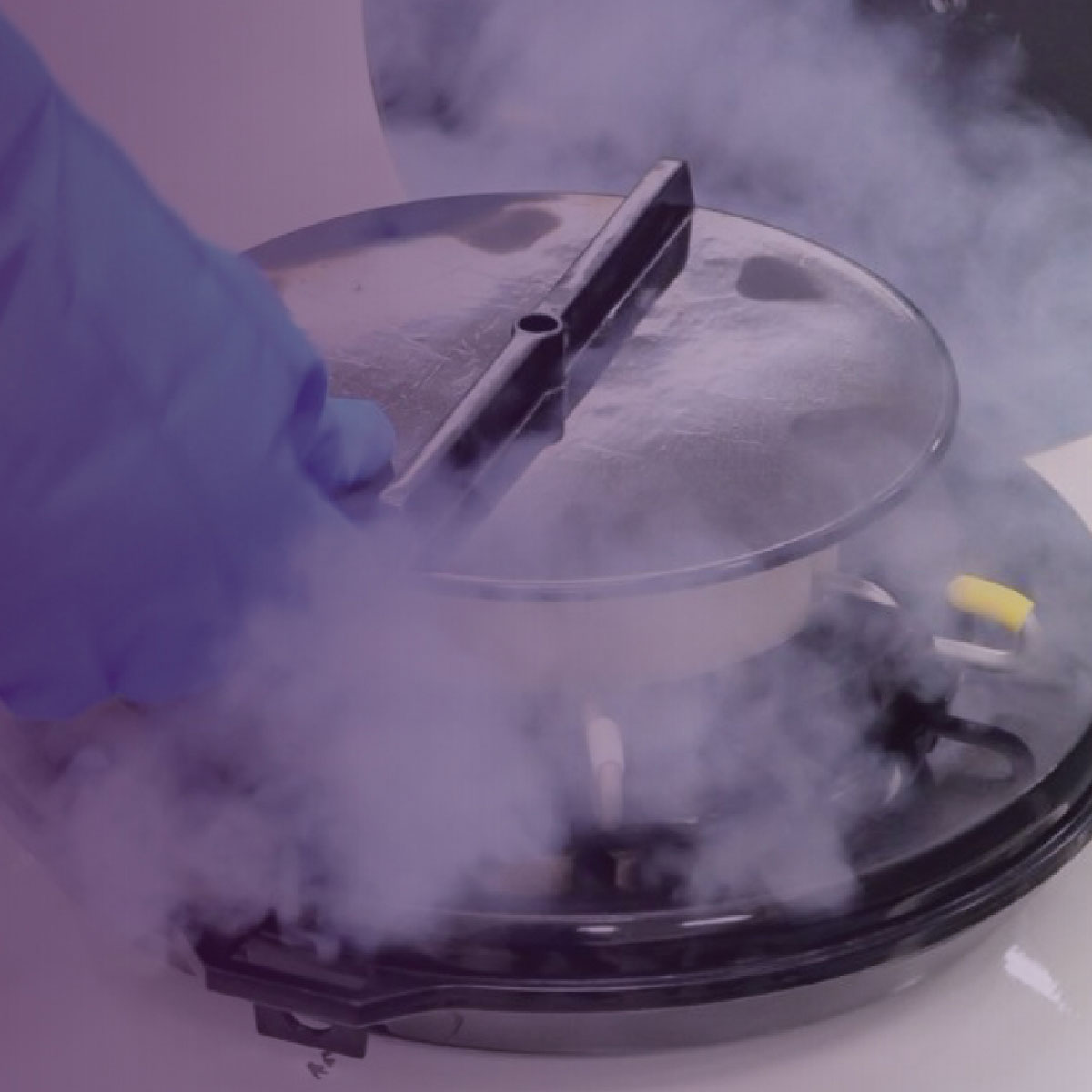
Step 3 - Cryopreservation: Once processed, the stem cells are cryogenically frozen using advanced techniques to ensure their long-term viability. This stem cell preservation process allows the cells to be stored for decades without degradation.
Step 4 - Long-Term Storage: The preserved stem cells are then transferred to secure, temperature-controlled storage facilities. These stem cell banks maintain the cells at ultra-low temperatures, typically around -196°C, using liquid nitrogen.
Step 5 - Release and Shipment: When cells are needed, the bank coordinates documentation with the treating physician and ships the unit in a temperature-controlled cryo-shipper. Cryoviva offers free worldwide shipment for the product as confirmed during retrieval by the physician.
Stem Cell Banking Charges: What Shapes the Cost
For families evaluating cord blood banking in India, cost is a legitimate and practical consideration. Stem cell banking charges vary based on several key factors, such as the type of cells stored, the duration of storage, and the accreditation level of the bank.
Indicative Stem Cell Preservation Costs in India
|
Plan Type |
Typical Cost Range (INR) |
Storage Duration |
|
Cord Blood Only - Standard |
₹50,000 - ₹80,000 |
21 Years |
|
Cord Blood + Cord Tissue |
₹90,000 - ₹1,20,000 |
21 Years |
|
Lifetime Plan |
₹1,00,000 - ₹1,50,000+ |
Up to 75 Years |
|
Annual Storage Renewal |
₹4,000 - ₹10,000/year |
As per plan |
Note: Costs are indicative based on industry averages. Contact Cryoviva Life Sciences for current pricing and plan details.
Stem cell banking costs in India are determined by the bank, storage duration, and the type of plan selected. Beyond the numbers, what matters is the credibility and infrastructure behind those costs. A bank's accreditation status, laboratory technology, quality testing protocols, and transplant support track record all determine the real value of what you are paying for.
Cryoviva Life Sciences offers both 21-year and lifetime storage plans, with financial assistance of up to ₹20 lakhs for stem cell transplantation extended to immediate family members - a safeguard that goes beyond storage and into active transplant support.
Read Also: Stem Cell Preservation Cost in India: Everything You Need to Know
Several factors influence which plan makes the most sense for your family:
Storage Duration: A 21-year plan covers the child's formative years. A lifetime plan extends protection well into adulthood, when conditions such as certain cancers and autoimmune diseases become more clinically relevant. Choosing the longer plan at the outset is often more cost-effective than renewing later.
Type of Cells Stored: Cord blood contains hematopoietic stem cells, while cord tissue contains mesenchymal stem cells. Both have unique properties and potential applications in regenerative medicine. Banking both provides a wider therapeutic range.
Accreditation: A bank holding AABB, CAP, and NABL accreditations operates under the most stringent global standards. Higher accreditation typically reflects more advanced testing systems, better infrastructure, and greater clinical reliability.
EMI Availability: To make stem cell banking more accessible, many banks now offer EMI facilities, allowing families to split the initial cost over a period, typically from 6 to 24 months - sometimes at zero or low interest rates.
A Note on Private Banking vs. Social Banking
Beyond the core question of whether to bank, families also choose between private and social banking models.
Private banking reserves the stored unit exclusively for the child and immediate family. Social banking is a comprehensive solution that allows members to access a large pool of stem cells, while also incorporating the sharing of stored units for use by a needy patient from the community, encouraging an altruistic approach to stem cell preservation.
For families with a medical history that includes blood disorders, genetic conditions, or cancer, private banking offers the security of guaranteed access. Social banking extends that protection to the broader community while still covering the family under defined terms.
Both models reflect a shared understanding: stored stem cells are not merely a product. They are a biological resource with the potential to change the outcome of a medical crisis - for your child, your family, or someone else entirely.
The Bottom Line
Peripheral blood stem cells have transformed transplant medicine, offering a non-surgical, highly effective route to reconstituting the blood and immune system in patients facing life-threatening disease. Their speed of engraftment and versatility across disease categories make them one of the most important tools in haematological treatment today.
For families, the lesson from PBSC science is a simple one. The stem cells your child is born with - present in the cord blood that is otherwise discarded - belong to the same family of cells driving the most advanced transplant therapies in the world. Banking them requires no mobilisation, no apheresis, no second visit. It requires one decision, made before delivery, at a moment that cannot be revisited.
That decision is what Cryoviva Life Sciences exists to support - with the technology, accreditation, and transplant experience to ensure that what you store today remains available and viable when it matters most.
Book a free consultation with Cryoviva Life Sciences today. Call 1800 101 9587 or visit cryovivalifesciences.in to speak with a stem cell expert before your delivery date.
Frequently Asked Questions
Q: Are PBSCs the same as cord blood stem cells?
Both are hematopoietic stem cells - the same cell type, with the same capacity to reconstitute the blood and immune system. The difference lies in their source and collection method. PBSCs come from an adult donor's circulating blood after pharmacological stimulation. Cord blood stem cells come from the umbilical cord at birth and are collected without any intervention on the mother or child.
Q: Can my child's banked cord blood be used instead of PBSCs in a transplant?
Yes, in many clinical scenarios. The treating transplant physician determines the best stem cell source based on disease type, urgency, HLA matching, and cell dose. Banked cord blood is increasingly used alongside or instead of PBSC grafts, particularly in paediatric cases.
Q: Is PBSC donation painful?
The apheresis procedure itself is not painful. The preparatory G-CSF injections may cause temporary bone and muscle aches, which resolve after collection. No surgery or anaesthesia is involved.
Q: Does cord blood banking cover the whole family?
Cord blood has a 50–75% chance of being a match for siblings and may also be suitable for parents or other close relatives. The child's own banked cells are always a perfect match for themselves.
Q: What happens if the banked cells are needed and there is an HLA mismatch?
At Cryoviva, in case of HLA mismatch, the family receives a compensation of ₹20 lakhs to offset transplant expenses using other sources of stem cells.
Disclaimer: Medical information in this blog is accurate at the time of writing and is intended for general awareness. Consult a qualified physician or transplant specialist for clinical guidance specific to your family's health history.

.jpg)
.jpg)
 Enquiry
 Email
Email Phone
Phone
 Whatsapp