
What is Stem Cell Preservation? Uses, Benefits, and Process in India
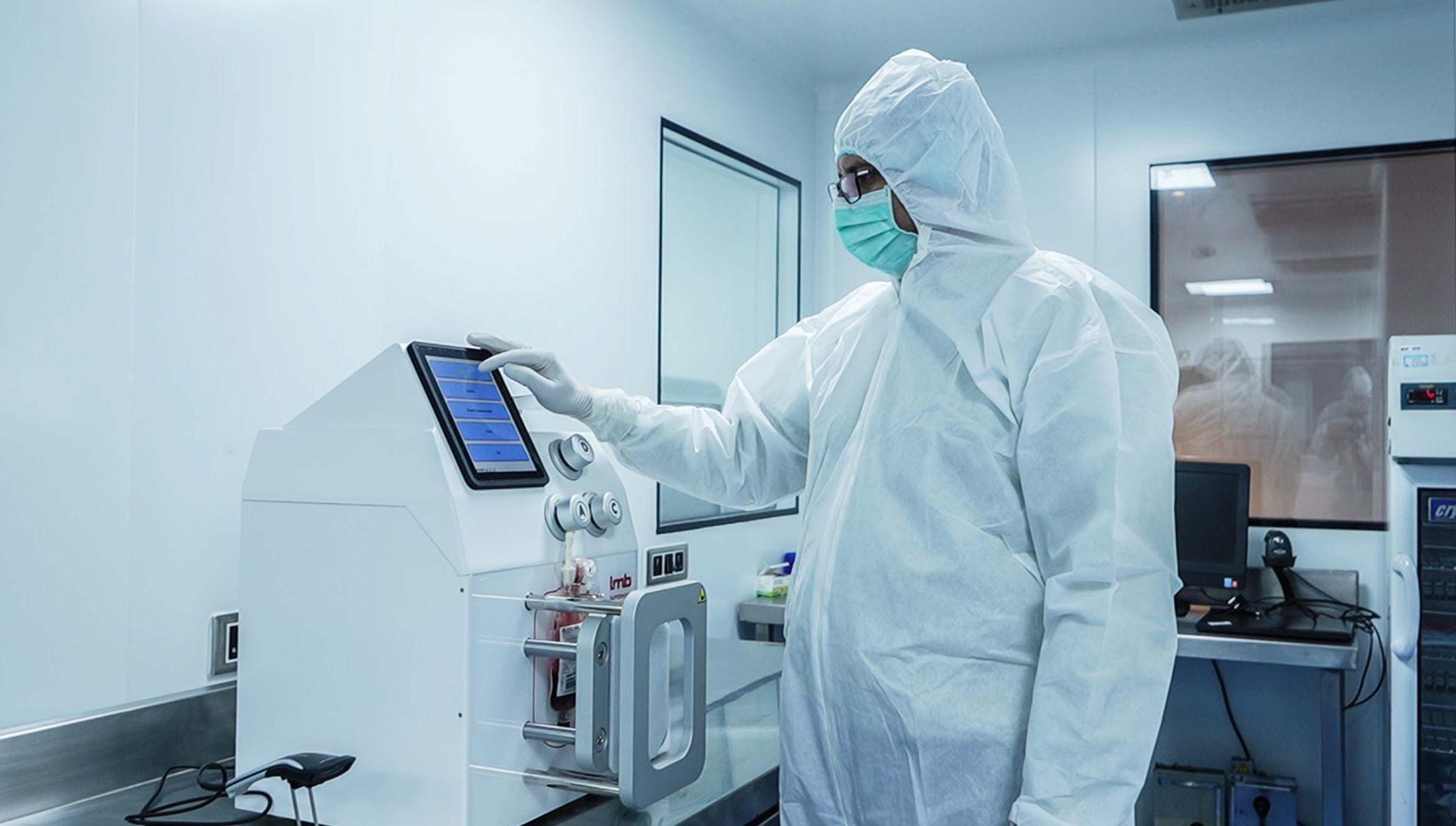
Table of Contents
- 1. What is Stem Cell Preservation?
- 1.1. Sources of Stem Cells Used in Medicine
- 2. Why Cord Blood Stem Cells are Commonly Preserved at Birth
- 3. How Stem Cell Storage Works
- 3.1. Step 1: Collection
- 3.2. Step 2: Laboratory Processing
- 3.3. Step 3: Cryopreservation
- 3.4. Step 4: Long-Term Storage
- 3.5. Step 5: Retrieval and Use
- 4. Uses of Stem Cell Preservation in Medicine
- 5. 7 Life-Saving Benefits of Stem Cell Preservation
- 5.1. 1. Treatment Support for Life-Threatening Diseases
- 5.2. 2. A Perfect Genetic Match for Your Child
- 5.3. 3. Possible Match for Siblings and Family Members
- 5.4. 4. Supports the Future of Regenerative Medicine
- 5.5. 5. Lowers the Risk of Certain Transplant Complications
- 5.6. 6. Immediate Availability During Medical Emergencies
- 5.7. 7. Long-Term Health Security for Families
- 6. Conclusion
- 7. Frequently Asked Questions
- 7.1. Q.1 What is stem cell preservation?
- 7.2. Q.2 How long can stem cells be stored?
- 7.3. Q.3 What diseases can stem cells treat?
- 7.4. Q.4 Is cord blood banking useful for siblings?
- 7.5. Q.5 How much does stem cell preservation cost in India?
- 7.6. Q.6 Are stem cells preserved only at birth?
One of the most promising areas of research in modern medicine, stem cells are undifferentiated cells capable of developing into specialised cells such as blood, muscle, or nerve cells, help maintain healthy tissues, and support the body’s natural repair processes. As awareness about the potential of stem cells grows, an increasing number of families are considering stem cell preservation - a process of collecting and storing stem cells, most commonly from umbilical cord blood at the time of birth, which can prove to be a valuable resource in medical therapies later in life. In this article, we’ll explain what stem cell preservation is, what the storage process involves, and its life-saving benefits. Let’s start with understanding the basics.
What is Stem Cell Preservation?
Stem cell preservation is the process of collecting, processing, and storing stem cells, so that they can be used in future medical treatments.
Two properties make stem cells particularly valuable:
- Self-renewal: The ability to divide and produce more stem cells
- Differentiation: The ability to transform into specialised cell types
Because of these characteristics, stem cells are widely used in transplant medicine, regenerative therapies, and disease research.
Sources of Stem Cells Used in Medicine
Stem cells used in therapy and research come from several biological sources.
- Embryonic Stem Cells (ESCs): Embryonic stem cells are obtained from early-stage embryos at the blastocyst stage (3–5 days after fertilisation). These cells are pluripotent, meaning they can develop into almost any cell type in the body. They are widely used in research but are regulated in many countries due to ethical considerations.
- Adult Stem Cells: Adult stem cells are found in tissues such as bone marrow, blood, skin, and fat. These cells are multipotent, meaning they can develop into a limited range of cell types. Bone marrow stem cells are commonly used in transplants to treat blood cancers and immune disorders.
- Induced Pluripotent Stem Cells (iPSCs): iPSCs are adult cells that scientists reprogram in laboratories to behave like embryonic stem cells. They provide pluripotent capabilities without the ethical concerns associated with embryonic stem cells.
- Perinatal Stem Cells: Perinatal stem cells are found in umbilical cord blood, cord tissue, placenta, and amniotic fluid. Cord blood contains hematopoietic stem cells that form blood and immune cells, while cord tissue contains mesenchymal stem cells used in regenerative research.
- Peripheral Blood Stem Cells (PBSC): Stem cells can also circulate in the bloodstream. PBSCs are collected through a process called apheresis, where blood is drawn, stem cells are separated, and the remaining blood is returned to the donor.
In most cases, stem cell preservation is done at birth, where stem cells are collected from umbilical cord blood and cord tissue after delivery. The remaining blood in the umbilical cord contains valuable stem cells that can develop into specialised cells in the body and support various therapies. To maintain their stability, laboratories use cryopreservation, storing the cells at extremely low temperatures, usually around –196°C in liquid nitrogen. At this temperature, biological activity stops, allowing the cells to remain viable for many years.
Read Also: Stem Cell Preservation: Why It Matters and How It Works
Why Cord Blood Stem Cells are Commonly Preserved at Birth
Birth provides a unique opportunity to collect stem cells safely and without invasive procedures. Key reasons families consider cord blood preservation include:
- One-time Collection Opportunity: Cord blood can only be collected immediately after birth.
- Safe and Non-Invasive: Collection is painless and does not interfere with delivery.
- Biologically Young Cells: Cord blood stem cells have minimal exposure to environmental factors.
- Rich Source of Blood-Forming Stem Cells: Important for treating blood and immune disorders.
- Potential Family Compatibility: Cord blood may sometimes be used for siblings or family members.
- Future Medical Potential: Ongoing research continues to explore new therapeutic uses.
How Stem Cell Storage Works
The process of stem cell storage involves several controlled steps to ensure that collected cells remain safe and viable for long-term preservation. In most family preservation programs, stem cells are collected from umbilical cord blood and cord tissue at birth, although they can also be obtained later in life from sources such as bone marrow or peripheral blood. The aim is to maintain these cells in a stable state so they can be used for medical treatments if required in the future.
Step 1: Collection
Stem cells are collected from the chosen biological source. In newborn stem cell banking, cord blood is collected immediately after birth once the umbilical cord is clamped. The remaining blood is drawn into a sterile bag. If parents opt for extended preservation, a small portion of cord tissue, which contains mesenchymal stem cells, may also be collected.
Step 2: Laboratory Processing
The collected sample is transported to a specialised laboratory where stem cells are isolated and concentrated. The cells are tested for cell count, viability, sterility, and possible contamination before being prepared for storage.
Step 3: Cryopreservation
The processed cells are mixed with a protective solution and gradually cooled to prevent damage. They are then stored in liquid nitrogen at approximately –196°C, which stops biological activity and preserves the cells.
Step 4: Long-Term Storage
The frozen stem cells are kept in cryogenic storage tanks with continuous monitoring to maintain stable conditions. Under proper storage, these cells can remain viable for many years or even decades.
Step 5: Retrieval and Use
If required for treatment, the stored stem cells can be safely retrieved, thawed, and prepared for clinical use under medical supervision. With growing awareness of regenerative medicine, stem cell preservation is gaining attention in India among families planning for long-term healthcare preparedness.
Read Also: Stem Cell Preservation Cost in India: What Parents Need to Know
Uses of Stem Cell Preservation in Medicine
Stem cell transplants are currently used to treat more than 90 diseases, particularly those affecting blood and the immune system. These include:
- Leukemia
- Lymphoma
- Thalassemia
- Sickle cell anemia
- Immune system disorders
- Bone marrow failure syndromes
Researchers are also exploring the potential of stem cells in neurological diseases, diabetes, and tissue regeneration.
Read Also: How Long Can Stem Cells Be Stored?
7 Life-Saving Benefits of Stem Cell Preservation
Today, stem cell preservation may include cord blood stem cells, cord tissue stem cells, peripheral blood stem cells (PBSC), and HLA-related services, depending on the preservation program chosen. Together, these services aim to expand the potential medical value of preserved cells for both the child and family members.
1. Treatment Support for Life-Threatening Diseases
Stem cell preservation supports treatment for more than 90 medical conditions, including leukemia, lymphoma, thalassemia, sickle cell anemia, and certain immune disorders.
Cord blood stem cells contain hematopoietic stem cells that help form blood and immune cells and are widely used in transplant medicine. Peripheral Blood Stem Cells (PBSC) collected later in life are also commonly used in transplantation therapies. Doctors rely on HLA matching to determine compatibility between donors and recipients. For families with a history of blood or immune disorders, preserved stem cells may offer additional preparedness for future treatment needs.
2. A Perfect Genetic Match for Your Child
A baby’s own preserved stem cells are always a 100 percent genetic match for that child. This makes cord blood and cord tissue preservation particularly valuable for potential self-use. Because these cells are collected at birth, they are biologically young and adaptable. If required later in life, the stored cells are already available without the need to search for a donor. For many parents, this provides reassurance and long-term medical preparedness.
3. Possible Match for Siblings and Family Members
Preserved stem cells may also be useful for other family members in certain medical situations. Siblings sometimes share compatible genetic markers, increasing the possibility of a suitable match. Doctors determine this compatibility using HLA (Human Leukocyte Antigen) typing. In some cases, even partial matches may be considered depending on the medical condition. Stem cell preservation may therefore support potential treatment options for more than one family member.
4. Supports the Future of Regenerative Medicine
Stem cell research continues to explore new possibilities in regenerative medicine. Mesenchymal stem cells from cord tissue are being studied for their role in tissue repair and inflammation control. Researchers are also investigating potential applications for neurological conditions, diabetes, and musculoskeletal disorders. While many of these therapies are still under clinical evaluation, scientific progress continues to expand. Preserving stem cells today may support access to future medical innovations.
5. Lowers the Risk of Certain Transplant Complications
Cord blood stem cells are biologically young and immunologically less mature than many other stem cell sources. Because of this, they may reduce the risk of complications such as graft-versus-host disease in some transplant situations. Their adaptability makes them valuable in transplant medicine. Doctors often consider cord blood an important option when suitable matches are available. Preserving cord blood and cord tissue helps ensure these cells remain available if required.
6. Immediate Availability During Medical Emergencies
Stored stem cells are already collected, processed, and preserved, making them immediately available if required. In contrast, finding a bone marrow or PBSC donor can take time and involve complex compatibility testing. During serious medical conditions, time can be a critical factor in treatment planning. Having preserved stem cells removes the uncertainty of donor searches. This accessibility is one of the most practical benefits of stem cell preservation.
7. Long-Term Health Security for Families
Stem cell preservation is often viewed as a long-term health preparedness decision. With proper cryogenic storage, stem cells can remain viable for many years or even decades. Preserving cord blood, cord tissue, and related HLA compatibility data helps families keep future treatment options open. While no one can predict future medical needs, preserved stem cells provide an additional layer of readiness. For many parents, this long-term security is one of the most meaningful benefits of preservation.
Read Also: Stem Cell Collection at Birth: Step-by-Step Process
Conclusion
Thanks to increasing awareness about stem cell preservation, more and more expectant parents in India are now considering cord blood banking. If you too are looking for a trusted stem cell preservation provider in India, your search ends here. Cryoviva Life Sciences offers a wide spectrum of stem cell preservation services, including cord blood preservation, cord tissue preservation, peripheral blood stem cell services, and HLA-related support. With advanced laboratory infrastructure, stringent processing protocols, and secure cryogenic storage systems, Cryoviva focuses on maintaining the long-term viability and quality of preserved stem cells. To learn more about the available preservation plans or discuss the right option for your family, call us at 1800-101-9587 or +91 931-104-2957.
Frequently Asked Questions
Q.1 What is stem cell preservation?
Stem cell preservation is the process of collecting and storing stem cells so they may be available for future medical use. Most commonly, these cells are collected from umbilical cord blood at birth and preserved using cryogenic technology for long-term storage.
Q.2 How long can stem cells be stored?
Stem cells preserved through proper cryopreservation can remain viable for decades. At Cryoviva Life Sciences, samples are stored in controlled cryogenic conditions designed to maintain long-term cell stability. This helps ensure that preserved stem cells remain available if needed for future medical use.
Q.3 What diseases can stem cells treat?
Stem cell transplants are currently used to treat more than 90 medical conditions, including leukemia, lymphoma, thalassemia, and certain immune disorders. Research continues to explore additional uses in regenerative medicine.
Q.4 Is cord blood banking useful for siblings?
Yes. There is about a 25 percent chance of a perfect genetic match between siblings, and even partial matches may sometimes be suitable for treatment depending on the condition.
Q.5 How much does stem cell preservation cost in India?
The cost of stem cell preservation in India depends on the services chosen, such as cord blood or cord tissue preservation. Cryoviva Life Sciences offers multiple preservation plans designed for different family needs. Parents can connect with our team to understand plan details and pricing.
Q.6 Are stem cells preserved only at birth?
Cord blood stem cells can only be collected at birth. However, stem cells may also be obtained later in life from bone marrow or peripheral blood through medical procedures. For many families, preserving stem cells at birth provides a convenient and non-invasive opportunity for long-term storage.



 Enquiry
 Email
Email Phone
Phone
 Whatsapp