
HLA Typing and Stem Cell Transplants: Understanding the Human Leukocyte Antigen System
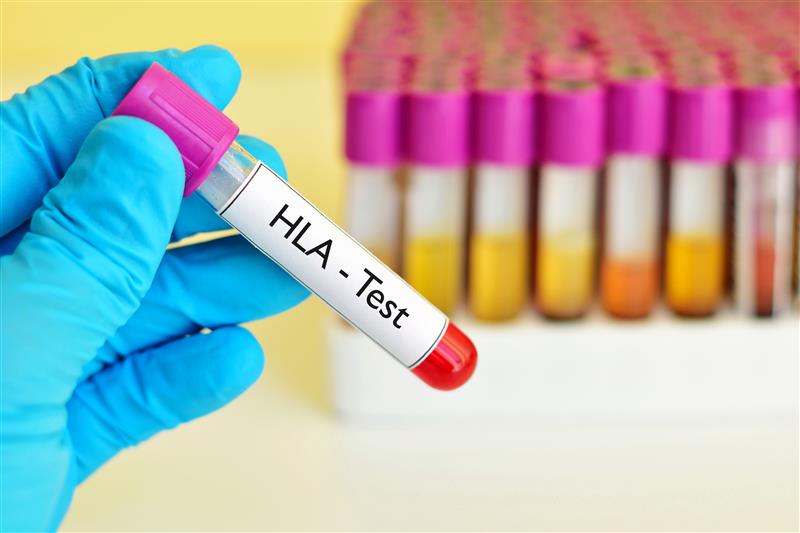
Table of Contents
- 1. What are Human Leukocyte Antigens (HLA)?
- 2. What is the Function of HLA Antigens?
- 3. Can Family Members Share Similar HLA Types?
- 4. Role of HLA Matching in Stem Cell Transplantation
- 5. Final Words
- 6. Frequently Asked Questions
- 6.1. Is HLA typing the same as blood group testing?
- 6.2. Can HLA types change during a person’s lifetime?
- 6.3. Is HLA typing a complicated or painful test?
- 6.4. Can a person register as a stem cell donor after HLA typing?
- 6.5. Does every stem cell treatment require HLA matching?
The immune system works around the clock to protect the body against various threats. Empowering this system is the Human Leukocyte Antigen (HLA) - a set of unique markers found on the surface of most of the cells, which help the immune system quickly distinguish between "self," meaning the body’s own healthy cells, and "non-self," meaning invaders such as viruses or bacteria. That said, HLA typing is not just important for fighting infections; it is also a key factor deciding the feasibility and success of stem cell transplants. The donor's HLA markers must closely match the recipients. To help you understand this better, in this article, we’ll explain the function of HLA antigens and why the human leukocyte antigen system matters, particularly in the context of stem cell transplants.
What are Human Leukocyte Antigens (HLA)?
Human Leukocyte Antigens, commonly referred to as HLA, are a group of proteins found on the surface of most cells in the body. These proteins are controlled by specific genes that are inherited from both parents. Because of this genetic inheritance, every person has a unique combination of HLA markers.
These markers form part of a larger genetic system known as the major histocompatibility complex. Their presence allows immune cells to examine and respond to signals coming from different cells in the body. When cells display unusual or harmful signals, the immune system can respond accordingly.
Doctors often analyse HLA patterns when evaluating compatibility between a donor and a recipient. This process, known as HLA typing, helps determine how closely two individuals match at the genetic level.
What is the Function of HLA Antigens?
HLA antigens play a central role in how the immune system monitors cells and responds to potential threats. These proteins act as molecular signals that allow immune cells to gather information about what is happening inside the body’s cells. Key functions of HLA antigens include:
- Antigen Presentation: One of the most important roles of HLA molecules is to present small fragments of proteins, known as antigens, on the surface of cells. These fragments may come from normal cellular activity or from infectious agents such as viruses and bacteria. Immune cells continuously scan these fragments to detect signs of infection or abnormal changes.
- Activation of Immune Responses: When immune cells recognise unusual antigens displayed on HLA molecules, they may trigger an immune reaction. This response helps the body target infected or damaged cells and limit the spread of disease.
- Immune System Regulation: HLA molecules help coordinate communication between different immune cells. This coordination ensures that immune responses occur at the right time and in the appropriate intensity, preventing unnecessary damage to healthy tissues.
Can Family Members Share Similar HLA Types?
HLA markers are inherited through genes passed down from both parents. Each person receives one set of HLA genes from the mother and another set from the father. This pattern of inheritance means that family members may share certain HLA markers, although the exact combination can vary from person to person.
Among relatives, siblings usually have the highest chance of having closely matching HLA types. During inheritance, parents pass different combinations of their HLA genes to each child. As a result, brothers and sisters may sometimes share the same HLA pattern, share only part of it, or have different combinations altogether.
Parents and children typically share half of their HLA markers. Because of this partial similarity, family members are often the first group doctors consider when searching for a suitable donor for treatments that involve stem cell or bone marrow transplantation.
Role of HLA Matching in Stem Cell Transplantation
In stem cell transplantation, donor stem cells are introduced into the recipient’s body to replace damaged or diseased cells. For the treatment to work effectively, the recipient’s immune system must accept these transplanted cells. HLA matching plays an important role in determining how the body responds to the donor stem cells. Key reasons why HLA matching matters in stem cell transplantation include:
- Reduced Risk of Transplant Rejection: When donor stem cells carry HLA markers that are very different from those of the recipient, the immune system may recognise them as foreign and attempt to destroy them.
- Lower Chances of Graft-Versus-Host Disease: A closer HLA match helps reduce the likelihood of graft-versus-host disease, a condition in which donor immune cells attack the recipient’s tissues.
- Better Integration of Donor Stem Cells: Similar HLA patterns increase the chances that transplanted stem cells will grow, multiply, and perform their intended function in the body.
- Improved Treatment Outcomes: Greater compatibility between donor and recipient HLA markers can contribute to smoother recovery and more effective results after transplantation.
Because of these factors, doctors conduct HLA typing before stem cell transplantation to identify the most suitable donor match. This step helps support safer and more effective treatment planning.
Read Also: What is Stem Cell Preservation? Uses, Benefits, and Process in India
Final Words
When it comes to stem cell transplantation, understanding HLA compatibility is essential for improving treatment safety and effectiveness. HLA typing helps doctors identify the most compatible donors, reducing the likelihood of transplant rejection and complications such as graft-versus-host disease. As stem cell therapies continue to advance, accurate HLA testing and expert clinical support remain critical to successful outcomes. To learn more about HLA typing, stem cell preservation, or transplant-related services, simply call: 1800 101 9587 or (+91) 81308 00211, or email us at: [email protected].
Frequently Asked Questions
Is HLA typing the same as blood group testing?
No. Blood group testing identifies blood types such as A, B, AB, or O. HLA typing examines specific genetic markers found on cells that are linked to the immune system. These markers are far more detailed and are used mainly to evaluate compatibility for transplantation procedures.
Can HLA types change during a person’s lifetime?
HLA markers remain the same throughout life because they are determined by genes inherited at birth. Once identified through testing, an individual’s HLA type does not change.
Is HLA typing a complicated or painful test?
HLA typing is usually done through a simple blood sample or a cheek swab. The sample is analysed in a laboratory to identify specific genetic markers associated with the HLA system.
Can a person register as a stem cell donor after HLA typing?
Yes. Many stem cell donor registries require HLA typing as part of the registration process. The results help match potential donors with patients who may require compatible stem cells in the future.
Does every stem cell treatment require HLA matching?
Not all stem cell treatments require the same level of HLA matching. In treatments that use a person’s own stem cells, compatibility testing may not be required. HLA matching becomes important in procedures that involve donor stem cells.


.jpg)
.jpg)
 Enquiry
 Email
Email Phone
Phone
 Whatsapp