
Mesenchymal stem cells (MSC) are multipotent stromal cells capable of self-renewal and differentiation into various tissues, including bone, cartilage, and fat. MSC therapy is a form of regenerative treatment that uses these cells to support tissue repair, modulate immune responses, and promote healing in damaged or diseased areas. The therapy works by directing MSCs to sites of injury, supporting immune responses, and encouraging tissue regeneration. That said, the clinical effectiveness and value of this therapy depends entirely on the quality and viability of the MSCs used.
Cryoviva Life Sciences plays an important role in this process, handling the processing, preservation, and long-term storage of mesenchymal stem cells, where every stored cell is maintained to the highest biological and regulatory standards, ensuring readiness for therapeutic use whenever needed.
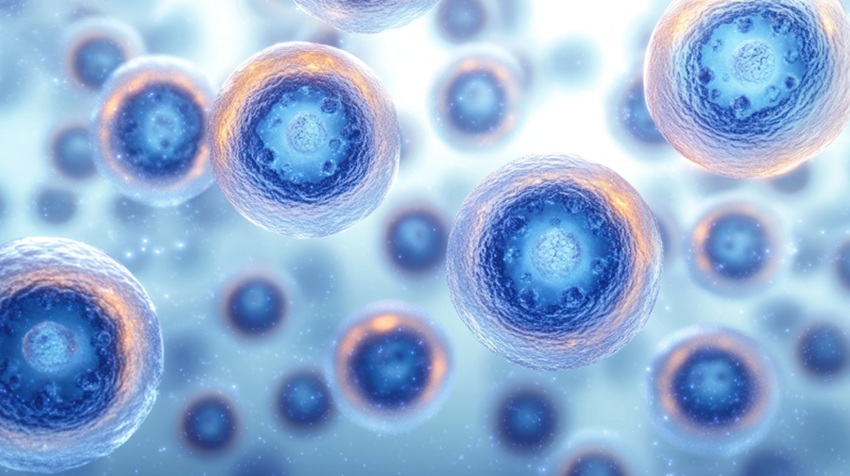
What is Mesenchymal Stem Cell Therapy?
Mesenchymal stem cell therapy is a form of regenerative treatment that uses specialised cells to support the body's natural repair processes. These specialised cells, known as mesenchymal stem cells, are able to develop into different types of tissues such as bone, cartilage, and muscle, and also play a role in reducing inflammation and regulating immune responses.
In this therapy, mesenchymal stem cells are sourced from tissues such as bone marrow, umbilical cord, or adipose tissue, then processed under controlled conditions before being administered into the body. The aim is to support healing in areas affected by injury, degeneration, or chronic inflammation.
The clinical potential of MSC therapy depends directly on the quality and viability of the stored cells. Preservation ensures that MSCs retain their biological properties over time, making professional storage an essential part of the overall process.
Types of Mesenchymal Stem Cells Used in the Therapy
Mesenchymal stem cells used in therapy are selected based on their source, as each type offers distinct biological properties and clinical relevance. These include:
- Bone Marrow-Derived MSCs: These are among the earliest studied and are commonly used for their role in supporting bone, cartilage, and tissue repair.
- Umbilical Cord-Derived MSCs: Sourced from Wharton’s jelly, these cells are younger in nature, show strong expansion capacity, and are widely used in regenerative applications.
- Adipose Tissue-Derived MSCs: Obtained from fat tissue, these cells are available in higher quantities and are being explored for their regenerative and anti-inflammatory potential.
- Placenta-Derived MSCs: Collected after childbirth, these cells provide a non-invasive source and are studied for their role in immune regulation and tissue healing.
Preserving cells from the right source is key to ensuring their suitability for future therapeutic applications.
MSC Therapy: How it Works
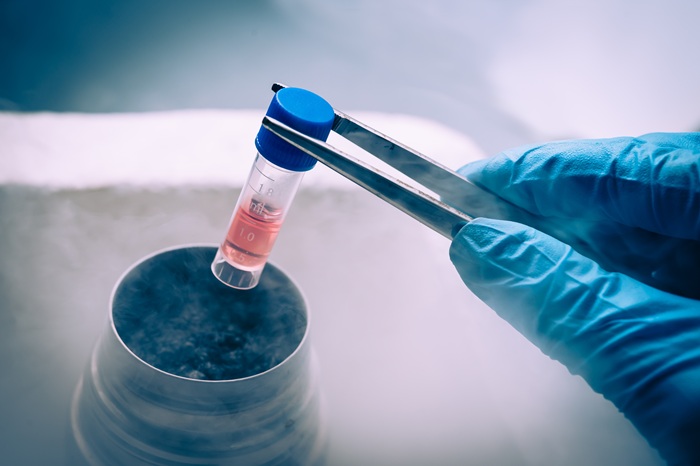
Delivering effective MSC therapy relies on a series of carefully managed steps, from the moment cells are sourced through to their clinical use. Cryoviva Life Sciences plays a central role in the preservation and storage stages of this process, ensuring that cells are maintained to the highest standard throughout.
Step 1: Cell Sourcing
Mesenchymal stem cells are obtained from sources such as bone marrow, umbilical cord tissue, or adipose tissue. The choice of source depends on clinical considerations, availability, and the intended use in therapy.
Step 2: Cell Processing and Preparation
Once collected, the cells are handled in a controlled laboratory environment. They are isolated, purified, and assessed for quality, viability, and safety. This stage ensures that only suitable cells are prepared for clinical use, following defined protocols and regulatory standards.
Step 3: Cryopreservation and Storage
Following processing, the cells are cryopreserved using validated techniques that maintain their biological integrity over extended periods. They are stored in controlled, monitored conditions that protect cell viability and ensure they remain suitable for therapeutic use when required. This is the stage at which Cryoviva's expertise ensures the cells remain clinically viable.
Step 4: Administration
When required for therapy, the preserved cells are retrieved, released in accordance with regulatory protocols, and administered by the treating medical team, typically via intravenous infusion or localised injection at the affected site.
Conditions Treated With the Help of Mesenchymal Stem Cell Therapy
Mesenchymal stem cell therapy is being studied and used in selected cases to support the management of certain conditions, particularly those involving tissue damage, inflammation, or immune system imbalance. These include:
Orthopaedic Conditions
MSC therapy is applied in the management of degenerative joint conditions such as osteoarthritis, cartilage damage, and sports-related injuries, where it works to support tissue repair and reduce localised inflammation.
Autoimmune Disorders
In conditions such as rheumatoid arthritis and lupus, where the immune system acts against the body's own tissues, MSCs are used for their ability to regulate immune activity and reduce chronic inflammation.
Neurological Conditions
MSC therapy is being evaluated for conditions such as cerebral palsy, autism spectrum disorder, and spinal cord injuries, where it may support nerve repair, reduce neuroinflammation, and improve functional outcomes.
Cardiovascular Conditions
In conditions such as ischemic heart disease and heart failure, MSC therapy is being studied for its potential to support heart tissue repair and improve cardiac function.
Inflammatory Diseases
Chronic inflammatory conditions including pulmonary fibrosis and inflammatory bowel disease are where the anti-inflammatory properties of MSCs are being actively studied and applied.
Preserving MSCs today means having a viable biological resource available should these therapeutic avenues be pursued in the future.
Why Choose Cryoviva Life Sciences for MSC Preservation and Storage
The long-term value of any MSC-based therapy is only as strong as the quality of the stored cells behind it. Choosing the right stem cell preservation and storage facility is therefore as important as any other step in the process.Here is why you should choose Cryoviva Life Sciences:
Proven Expertise
Cryoviva Life Sciences has spent decades at the forefront of stem cell banking and processing in India. This deep-rooted understanding of stem cell biology means that every cell we preserve benefits from years of refinement in handling, quality assessment, and storage protocol.
Internationally Accredited
Our facility is licensed by the Drug Controller General of India and accredited by globally recognised bodies including AABB and CAP. Every step of our preservation process meets the most stringent quality and safety standards in the world.
GMP-Certified Processing Facility
Cryoviva Life Sciences’ state-of-the-art, GMP-certified stem cell processing facility is among the most advanced of its kind in India. Designed to international standards, it ensures that MSCs are processed, tested, and stored with absolute precision and care.
Continuous Monitoring and Security
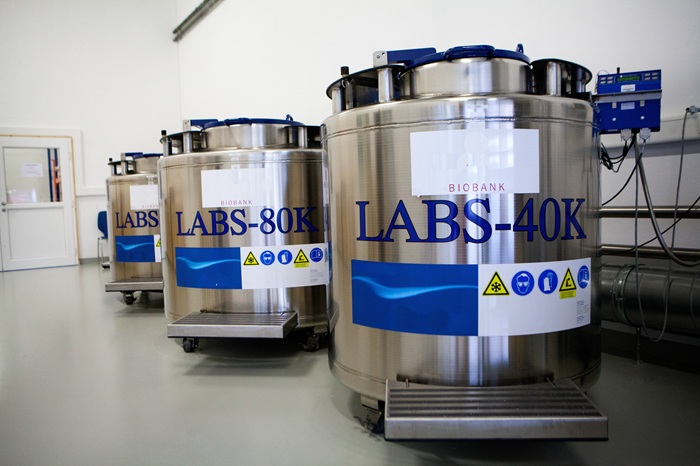
Stored cells are held under continuous environmental monitoring with robust safety protocols in place. Our storage systems are designed to maintain uninterrupted cryogenic conditions, giving clients complete confidence in the long-term integrity of their preserved cells.
Need More Info? Let’s Connect
With increasing recognition of their potential in regenerative medicine, stem cell storage is becoming an important consideration for long-term wellbeing. If you’d like to learn more about our stem cell storage services, please call: 931-104-2957 or 1800 101 9587 (toll-free).
FREQUENTLY ASKED QUESTIONS
What types of MSCs can be preserved with Cryoviva Life Sciences?
Cryoviva Life Sciences can preserve mesenchymal stem cells derived from a range of sources including umbilical cord tissue, bone marrow, adipose tissue, and placenta. The most suitable source depends on the intended therapeutic application and availability at the time of collection.
How long can MSCs be stored without losing viability?
When stored under validated cryogenic conditions, mesenchymal stem cells can remain viable for many years. Cryoviva Life Sciences’ storage systems are designed to maintain the biological integrity of cells over the long term, with continuous monitoring in place throughout the storage period.
What quality checks are carried out before cells are stored?
Prior to storage, cells undergo a thorough quality assessment that includes evaluation of viability, purity, and safety. Only cells meeting defined quality parameters are accepted into long-term storage, in line with regulatory requirements and our internal protocols.
Can stored MSCs be retrieved and released for therapeutic use at a later stage?
Yes. Stored MSCs can be retrieved when required and assessed against quality release criteria before being made available for clinical use. The release process follows defined regulatory and clinical protocols to ensure suitability at the point of use.
What accreditations does the Cryoviva Life Sciences storage facility hold?
Cryoviva Life Sciences facility is licensed by the Drug Controller General of India and holds accreditations from internationally recognised bodies including AABB and CAP. The facility also operates under GMP-certified conditions, ensuring that all storage and processing activities meet global quality standards.
Is the storage facility continuously monitored?
Yes. Our cryogenic storage environment is subject to continuous monitoring throughout the year. Environmental parameters are tracked in real time and backed by robust contingency protocols to ensure no interruption to storage conditions.
At what stage in the MSC therapy process does Cryoviva's role begin and end?
Cryoviva's involvement covers the processing, preservation, and long-term storage of MSCs following collection. When cells are required for therapy, Cryoviva facilitates their retrieval and release in accordance with quality and regulatory standards, at which point the treating medical team takes over clinical management.
 Enquiry
 Email
Email Phone
Phone
 Whatsapp